

Introduction
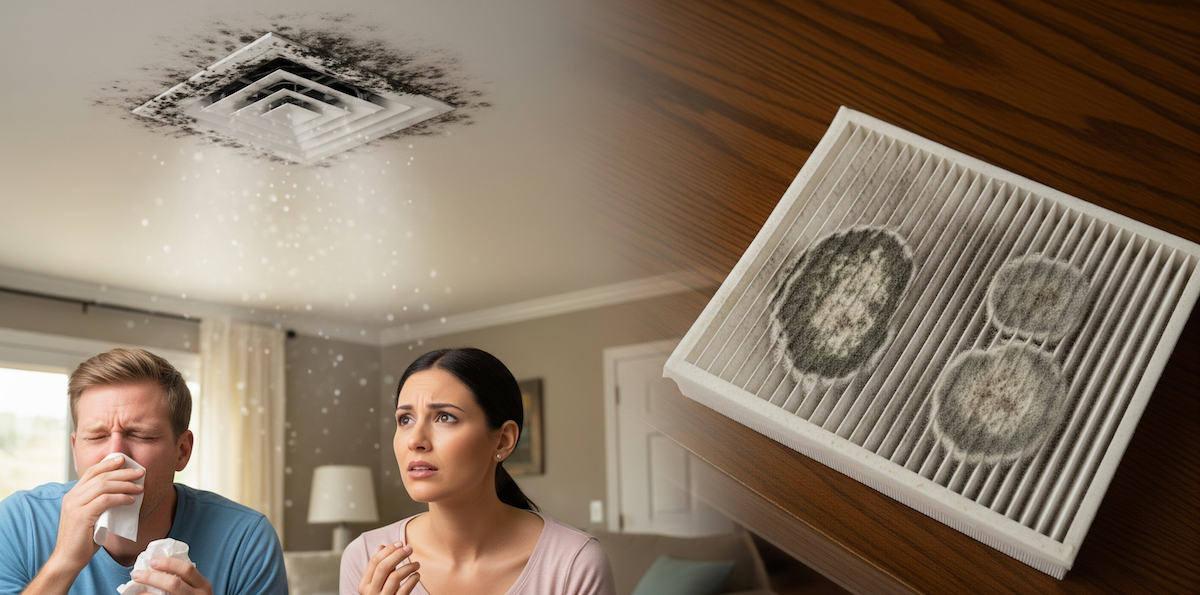
Mold is a silent invader in many Central Texas homes, often growing unnoticed for years in hidden corners of attics, walls, or HVAC systems. For some individuals, living with this insidious growth might not cause any immediate, obvious health problems. They might feel fine for years, perhaps even decades. However, after prolonged exposure, they may suddenly begin to experience a bewildering variety of health issues, ranging from persistent respiratory problems to unexplained fatigue, “brain fog,” or headaches. So why is it that individuals can be surrounded by mold for extended periods without getting sick, only to have severe symptoms seemingly appear out of nowhere?
The “Glass Table” Analogy: Your Immune System’s Tipping Point
To truly grasp this delayed reaction, it’s helpful to think of your immune system like a glass table. Throughout your life, you encounter all kinds of stressors – physical, emotional, and environmental – that metaphorically add weight to this table. Each stressor is like placing a small object on it.
Initially, your table (immune system) is strong and can easily handle the load. Mold exposure is just one of these stressors, and if the exposure is minimal or your body is robust, it may not cause noticeable effects. Your body’s natural defenses quietly work to manage the mold spores and mycotoxins without you realizing a problem is building.However, as time passes, the cumulative weight from all stressors – persistent mold exposure, a poor diet, chronic stress, insufficient sleep, exposure to additional environmental toxins, or even a new illness – eventually becomes too much. When this critical threshold is reached, the “glass table” shatters. This signifies that your immune system can no longer effectively cope with the total burden, and it is at this point that a variety of chronic health issues begin to emerge.
Why Mold Might Not Cause Immediate Symptoms
Mold releases tiny spores and various toxic compounds called mycotoxins. These can irritate your respiratory system and gradually weaken your immune system over time. But, when your immune system is strong and your body’s detoxification pathways are functioning efficiently, you might not feel the effects right away. Your body is quietly dealing with these toxins, preventing them from causing obvious symptoms.
However, as life progresses, and other health challenges accumulate, your body’s ability to cope with the mold burden weakens. The “stress bucket” starts to fill faster than your body can empty it. At this point, the mold that didn’t seem to bother you before becomes a significant issue, tipping the scales and triggering a cascade of symptoms.
The Moment Your Immune System “Shatters”
Once your immune system reaches its breaking point, its capacity to handle even small exposures is severely diminished. You might suddenly begin to notice new or worsening symptoms, seemingly “out of the blue”:
- Chronic respiratory issues: Persistent coughing, sneezing, or sinus infections.
- Fatigue & Brain Fog: Unexplained tiredness, difficulty concentrating, or memory issues.
- Headaches & Body Aches: Frequent headaches, joint pain, or muscle aches.
- Persistent Allergy-like Symptoms: Runny nose, itchy eyes, or skin rashes that don’t respond to typical allergy treatments.
These symptoms can appear quite suddenly, making it hard to connect them back to mold exposure that might have been ongoing and unnoticed for years.
What Triggers the “Breaking Point”?
Mold needs moisture to thrive. Any signs of unwanted water in or around your HVAC system are major red flags.
- Red Flags to Watch For:
- Water droplets or condensation constantly forming on or around vents.
- Puddles or wet spots near your indoor HVAC unit.
- Damp spots or discoloration on walls or ceilings near where ducts run.
- Excessive condensation on windows and other surfaces within your home.
- Standing water in the drain pan that doesn’t clear, or an overflowing drain pan.
- Pro Tip: Regularly check your system’s drain pan and condensate line, especially during heavy AC use in our humid Central Texas summers. A properly functioning system should efficiently drain water and stay relatively dry.
Filter Findings: A Window into Your Air Quality
Your HVAC filter is designed to capture airborne particles, but it can also offer clues about mold.
Several factors can act as the “final straw,” pushing your immune system to its limit:
- Increased Mold Exposure: A small, undetected water leak behind a wall or within your HVAC system could have worsened, dramatically increasing airborne mold levels.
- Other Environmental Toxins: Cumulative exposure to chemicals (e.g., from new products, cleaning supplies) or poor outdoor air quality adds to the total toxic burden.
- Stress & Lifestyle Factors: Chronic emotional or physical stress, a consistently poor diet, or a prolonged lack of sleep can significantly weaken your immune system’s resilience.
Underlying Health Conditions: Pre-existing conditions like asthma, autoimmune disorders, or a compromised detoxification system can make your body more susceptible to mold’s harmful effects.
How to Protect Your Health Moving Forward
If you suddenly find yourself reacting to mold that didn’t seem to bother you before, or if you’re experiencing unexplained chronic symptoms, it’s critically important to take action. The first and most crucial step is to identify the source of mold in your home and get it safely and thoroughly removed. Mold remediation and significantly improving your indoor air quality are key to helping your body recover.
You can also proactively support your immune system and overall health by focusing on a holistic approach:
- Detoxification Support: Eat a nutrient-dense diet, stay well-hydrated, and consider high-quality air purifiers to help your body naturally eliminate toxins.
- Stress Reduction: Incorporate techniques like mindfulness, meditation, or yoga to reduce immune system strain.
- Improve Sleep & Lifestyle: Prioritize consistent, good-quality sleep and regular, moderate exercise to boost your body’s healing and immune processes.
- Professional Guidance: Work with both healthcare providers knowledgeable about mold-related illness and HVAC/indoor air quality professionals to address the environmental aspect of mold in your home.
Understanding the cumulative effect of various stressors like mold on your body allows you to take proactive steps before reaching that breaking point. By nurturing and protecting your “glass table,” you can avoid sudden health declines due to mold exposure and ensure a truly healthier living environment for you and your family in Central Texas.