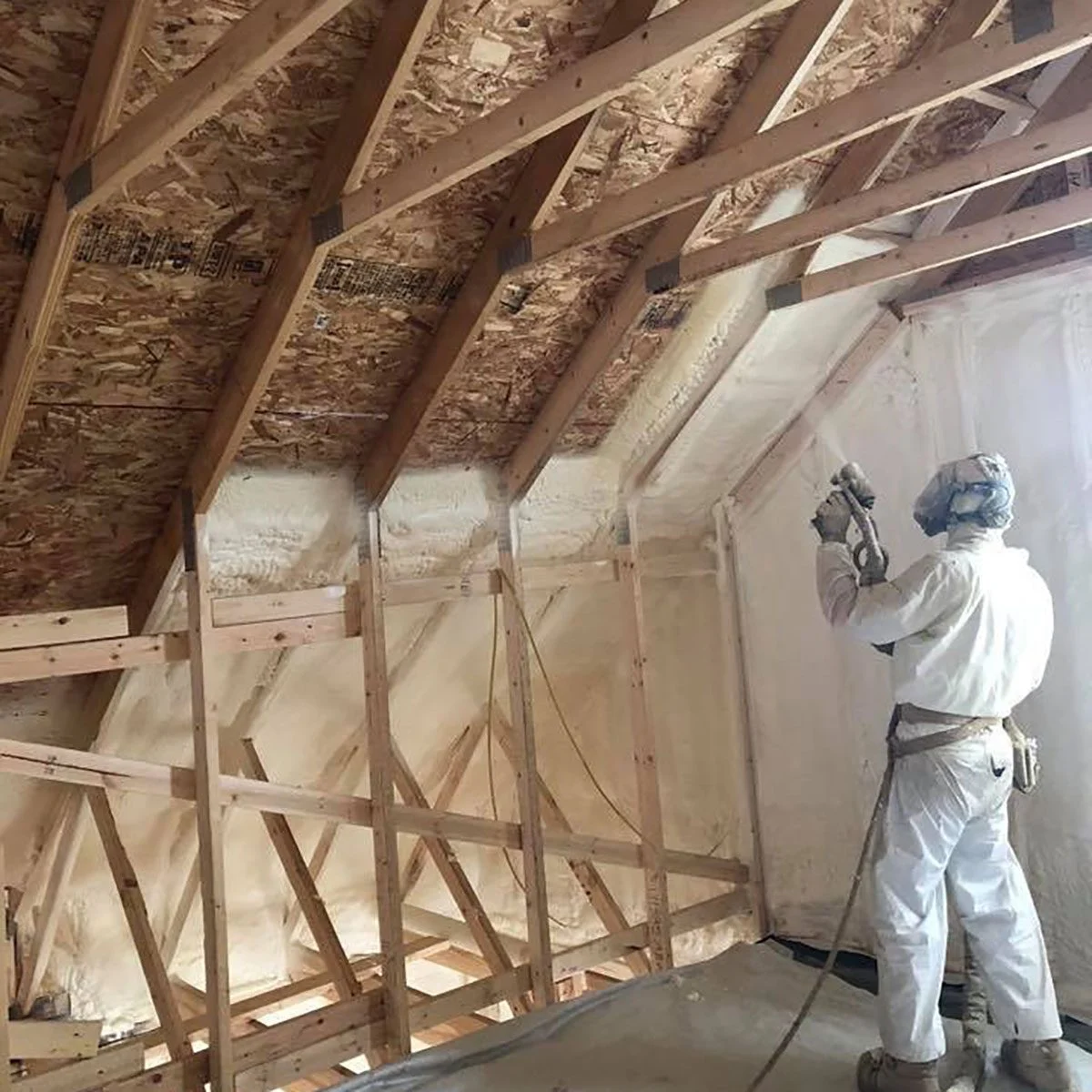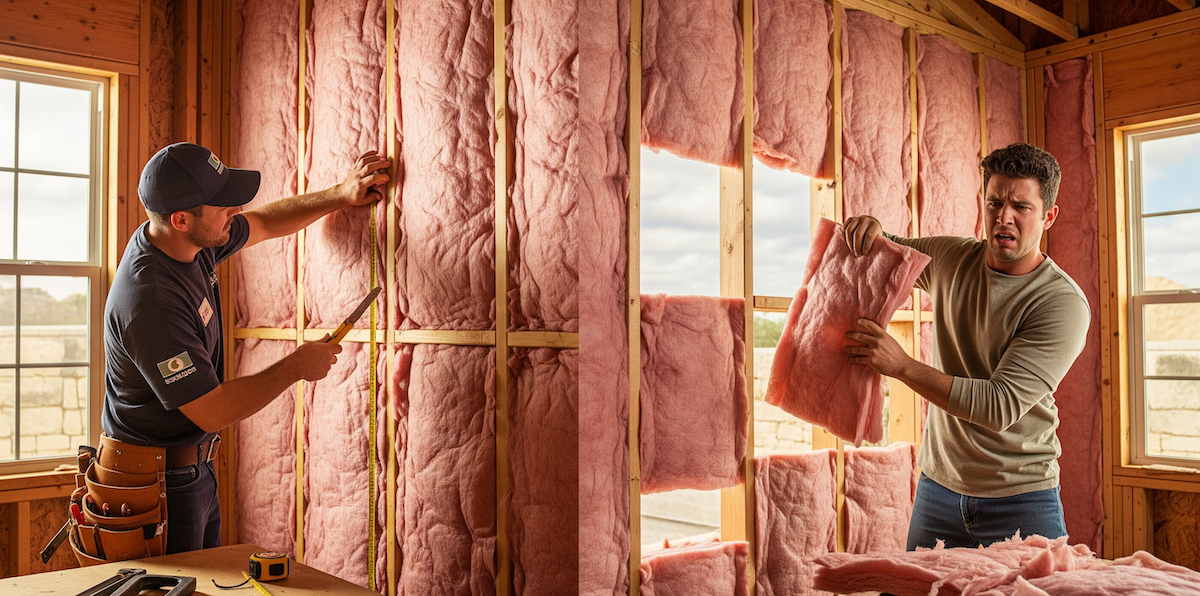


Don’t get me wrong – spray foam insulation can be amazing when it’s done right. Seal up that attic, bring it into the conditioned space, and suddenly your HVAC system isn’t sweating bullets in August. Your upstairs finally feels like the downstairs, and your ductwork isn’t baking in a 140-degree sauna. Sounds great, right?
Here’s the problem: a lot of the retrofits we walk into aren’t “done right.” They’re “done fast,” and the details that make or break the job get skipped. That’s when we get called in – usually after the homeowner has been promised the moon by the spray foam sales guy, only to end up with… let’s call it “creative” solutions.
The Plywood Box Special
This is the classic. The foam crew gets up there, sees a gas furnace in the attic, and instead of upgrading it to sealed combustion with proper PVC venting, they build a plywood coffin around it and call it “isolated.” Now you’ve got a furnace sweating in a box inside your “sealed” attic. The conditioned attic benefit you just paid for? Out the window.
Starving your Furnace
Here’s another frequent find: the old metal flue is still venting into your now-sealed attic. In a vented attic, no problem. In a sealed attic? That flue can backdraft combustion gases right back toward the house. Not exactly the fresh-air upgrade you had in mind. A sealed attic changes the air volume your gas furnace has to work with. If nobody checks for proper combustion afterward, the furnace can run inefficiently, make extra carbon monoxide, and wear itself out faster. This is the HVAC version of putting your car in the garage, closing the door, and revving the engine – not a great idea.
Why We Care
We’re not here to bash spray foam – we actually like it when it’s paired with the right HVAC adjustments. It can mean huge comfort gains and lower bills. But sealing up a house changes how everything inside it works, and the HVAC system doesn’t magically adapt on its own. The retrofit needs a game plan that includes us from the start, not a “fix it later” phone call.
If you’re thinking about spray foam, have a real conversation with both your insulation contractor and your HVAC contractor first. Make sure they talk to each other. That way, you get all the benefits you’re paying for – and none of the “plywood box” surprises.