
Introduction
Ever noticed a peculiar, musty smell wafting through your home when you first turn on the air conditioning? Or perhaps you’ve wondered why your allergies seem to flare up more intensely indoors than out? The culprit might be closer than you think: your very own HVAC system could be harboring an unwelcome guest – mold. While your home’s heating, ventilation, and air conditioning system is designed to keep you comfortable, it can inadvertently create the perfect breeding ground for mold if not properly maintained. Let’s delve into why this happens and, more importantly, how you can prevent it, ensuring healthier air for your family.
The Perfect Storm: What Mold Needs to Thrive
To understand how mold takes hold in your HVAC system, it helps to know what it needs to survive and spread. Think of mold like a rather picky, unwelcome houseguest – it requires a very specific set of conditions to stick around and multiply:
- Moisture (Its Absolute Favorite Thing): Mold cannot grow without water. Any dampness, condensation, or standing water is an open invitation.
- Comfortable Temperatures: Most molds thrive in temperatures that are comfortable for people, typically between 70°F and 90°F (21°C to 32°C). Your home’s conditioned air is often within this range.
- Something to Eat: Mold doesn’t need much; it can feed on organic materials commonly found in homes, such as dust, dirt, fabric fibers, and debris.
The unfortunate truth is that your HVAC system can accidentally provide all three of these conditions if it’s not properly designed, installed, and maintained.
5 Ways Your HVAC System Might Be Encouraging Mold
Understanding the vulnerabilities of your system is the first step toward prevention. Here are five common scenarios that turn your HVAC into a potential mold incubator:
- The Moisture Maker: Your air conditioner’s job is to remove humidity from the air. As warm, moist air passes over the cold evaporator coils, water condenses and drips into a drain pan, then exits through a condensate drain line. However, if this system fails:
- Clogged Drain Lines: Over time, algae, dirt, and sludge can clog the drain line, causing water to back up in the drain pan. This standing water is a prime breeding ground.
- Leaking Ducts: Ducts in unconditioned spaces (like attics) can leak, allowing cool air to meet warm, humid air, causing condensation on the outside of the ductwork and leading to damp spots where mold can thrive.
- Poor Drainage: If the drain pan or line isn’t properly sloped, water won’t flow out efficiently, leading to puddles.
- The Humidity Battle: Your HVAC system is supposed to keep indoor humidity levels in check. But when it’s struggling:
- High Indoor Humidity: If indoor humidity consistently climbs above 60%, it creates an environment where mold spores can easily settle and grow on surfaces throughout your home, not just in the HVAC system.
- Warm, Moist Air: This combination is exactly what mold loves, accelerating its growth. An improperly sized system might not run long enough to effectively dehumidify the air.
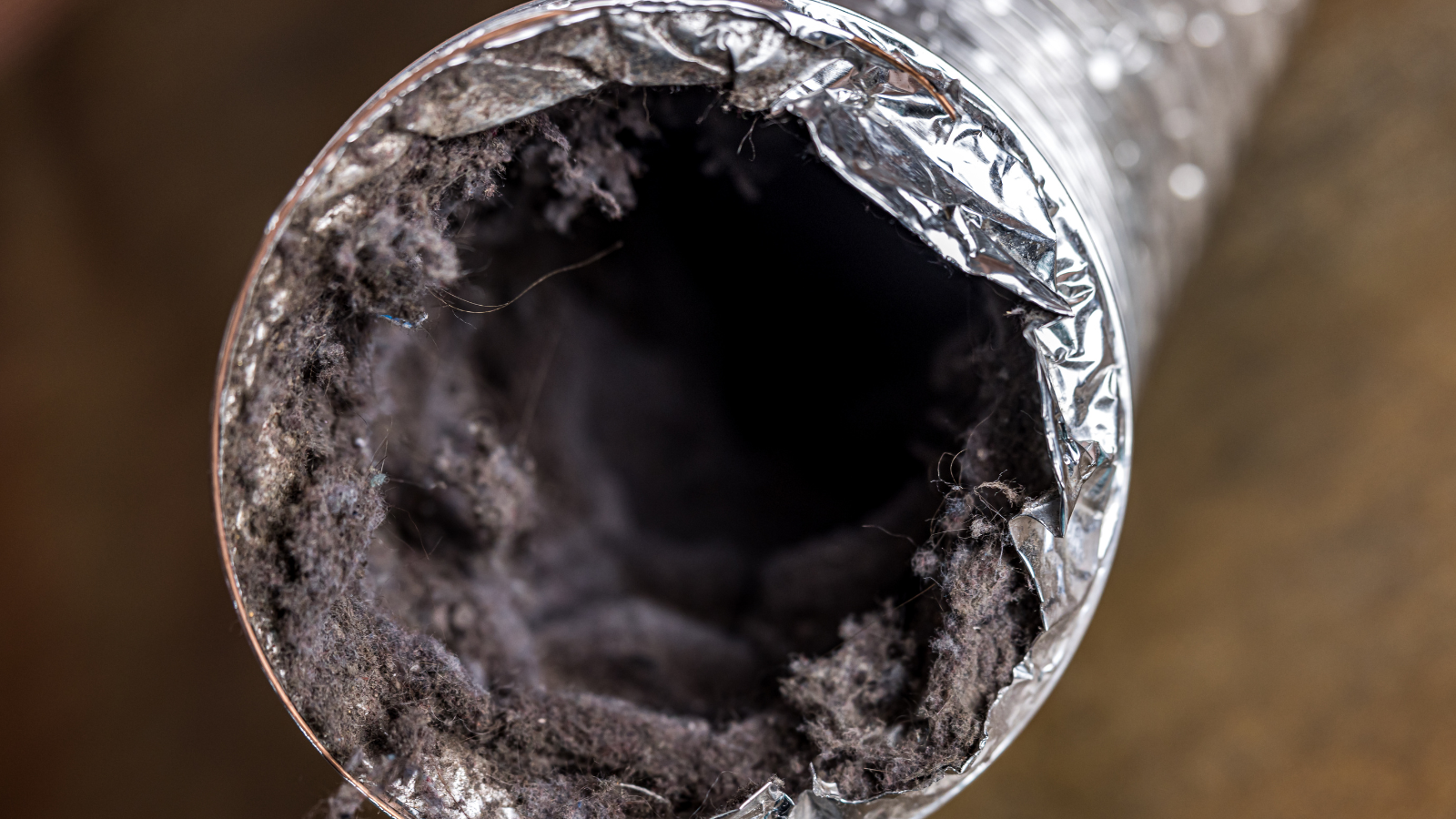
- The Dirty Duct Dilemma: Think of your ducts as your home’s airways. When they get clogged with dust, dirt, pet dander, and other debris:
- Food for Mold: These airborne particles settle within the ducts, becoming a readily available food source for mold spores.
- Moisture Traps: Dust and debris can also trap moisture more easily, especially if there’s any condensation or a leak, creating damp pockets conducive to growth.
- The Condensation Conundrum: The very process of air conditioning naturally involves condensation. The AC coils are designed to get cold and collect moisture:
- Moisture Buildup: Without proper drainage, this condensation builds up on the coils, in the drain pan, or on surrounding components.
- Hidden Mold: This persistent dampness, often in areas you can’t easily see, can lead to significant, hidden mold growth that you might only detect by smell.
- Installation Issue: Sometimes, mold problems stem from the very beginning – a poorly installed HVAC system can lead to ongoing issues:
- Improper Duct Sealing: If ducts aren’t properly sealed, they can pull in humid air from attics or crawl spaces, introducing unwanted moisture and a food source (dust) into the system.
- Incorrect Sizing: An HVAC system that’s too large for your home will short-cycle, preventing it from running long enough to effectively dehumidify. An undersized system will run constantly but may never adequately cool or dehumidify, leaving your home clammy and prone to mold.
Warning Signs: Is Mold Already Moving In?
Your nose and body might be the first to alert you to a mold problem before you even see it:
A Musty, “Old Basement” Smell: This is often the most tell-tale sign. If you notice a persistent, earthy, or stale odor coming from your vents, especially when the AC turns on, it’s a strong indicator of mold.
Visible Dark Spots: While often hidden, you might spot dark spots around air vents or on the air handler unit itself.
Increased Allergy Symptoms: If family members experience a sudden increase in allergy symptoms (sneezing, watery eyes, runny nose) that seem worse indoors, mold spores could be the cause.
Unexplained Respiratory Issues: More serious respiratory problems that improve when you’re away from home for an extended period could point to indoor air quality issues from mold.
Your Mold Prevention Game Plan
The good news is that most mold growth in HVAC systems is preventable with a proactive approach:
- Regular Professional Maintenance: Schedule professional HVAC check-ups at least twice a year (spring for AC, fall for heat). Technicians can identify potential moisture issues, clean coils, and ensure proper drainage.
- Change or Clean Filters Monthly: This is crucial! Dirty filters restrict airflow and trap dust, which can become mold food. For most homes, monthly replacement of disposable filters or cleaning of reusable ones is ideal.
- Control Indoor Humidity: Aim for 30-50% humidity in your home. Use bathroom and kitchen exhaust fans, and consider a whole-home dehumidifier in humid climates.
- Keep It Clean: Have ducts professionally cleaned if they’re visibly dirty. Keep vents and returns free of obstructions.
- Stay Alert for Leaks: Periodically check for water spots around vents or any standing water in or around your HVAC unit. Address any drips or puddles immediately.
When to Call the Pros
While prevention is key, sometimes you need expert help. Don’t hesitate to contact a qualified HVAC professional if you:
- Spot visible mold growth.
- Notice persistent musty odors from your vents.
- Experience unexplained health issues that seem tied to being indoors.
- Have standing water anywhere in your HVAC system.
Remember: A properly maintained HVAC system should actively prevent mold, not encourage it. By staying vigilant and addressing issues early, you can keep your system running cleanly and efficiently, protecting both your home and your family’s health for years to come.