
Introduction
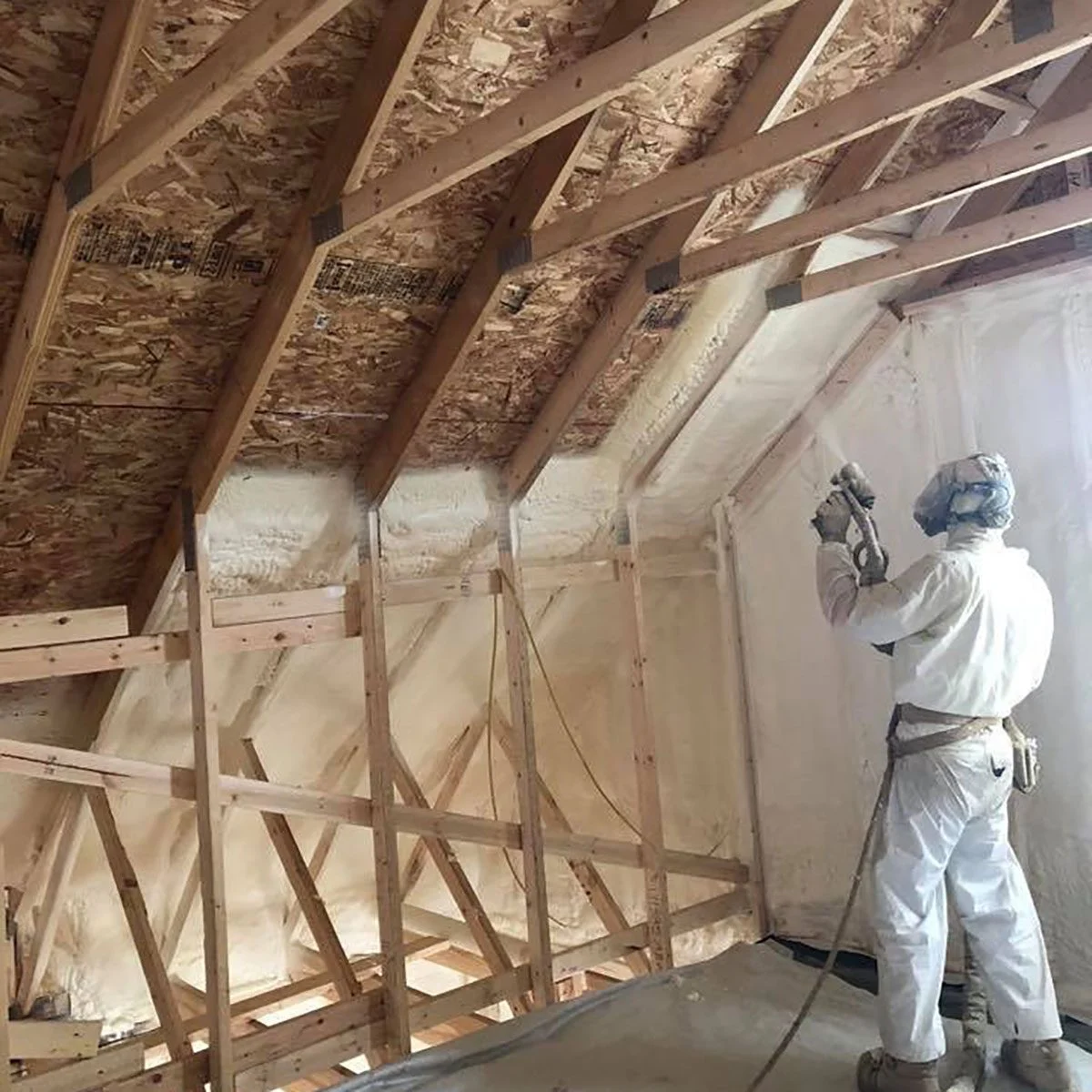
Insulation is often an unsung hero in your home, but it’s a critical component of your overall energy efficiency, and it directly impacts how well your HVAC system performs. Think of your home’s insulation as its protective layer, much like a good winter coat or a cool summer shirt. The right insulation can significantly improve your HVAC system’s efficiency, saving you money and extending its life. Conversely, poor insulation can force your HVAC system to constantly struggle, leading to higher energy costs, reduced comfort, and even premature equipment failure. Let’s dive into the powerful ways insulation either helps or hurts your HVAC system and why it’s absolutely essential for optimal home performance.
How Proper Insulation Helps Your HVAC System Thrive
When your home is properly insulated, your HVAC system can breathe easy and work smarter, not harder. Here’s how quality insulation becomes your HVAC system’s best friend:
- Slashed Energy Consumption: Good insulation acts as a barrier, drastically reducing the rate at which your home loses heat in the winter or gains heat in the summer. This means your HVAC system doesn’t need to run as long or as frequently to maintain a comfortable indoor temperature. The result? Significant energy savings that you’ll notice on every utility bill.
- Boosted HVAC Efficiency: With proper insulation, your HVAC system operates at its peak efficiency. It won’t have to constantly compensate for conditioned air escaping or outside air seeping in. This allows it to run fewer cycles, reducing overall wear and tear on components. Improved efficiency not only lowers energy costs but also extends the operational lifespan of your valuable HVAC equipment.
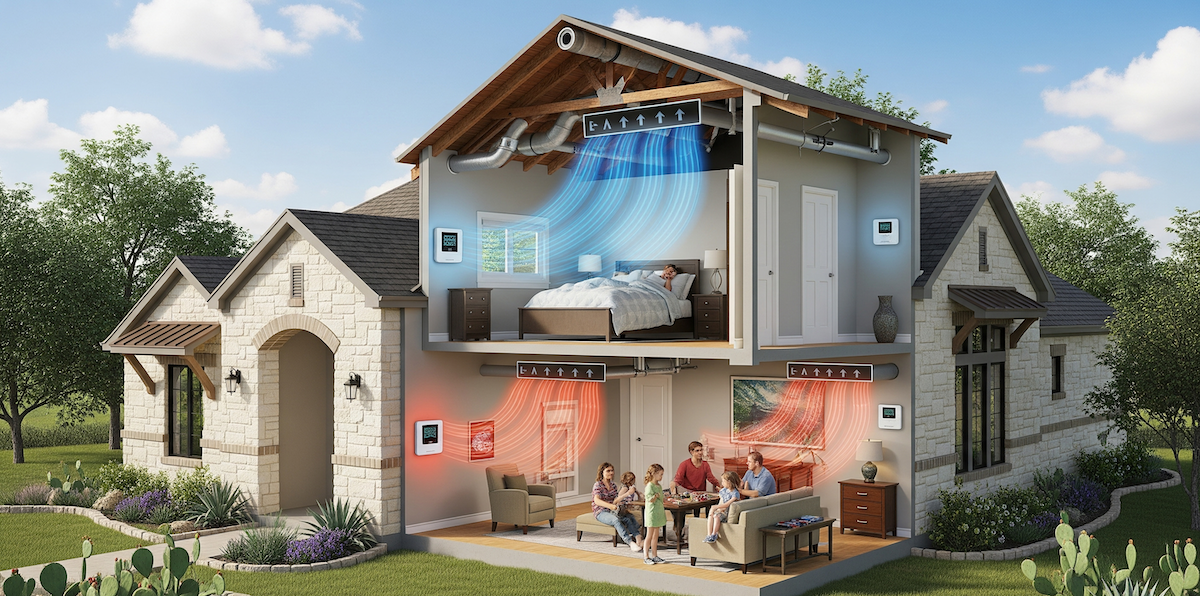
- Balanced Indoor Temperatures: Say goodbye to annoying hot and cold spots! Proper insulation helps to even out temperatures across your entire home. By preventing drafts and stabilizing temperature variations, your HVAC system won’t have to constantly adjust and blast air to keep every room comfortable. This leads to a more consistent, genuinely comfortable indoor environment for everyone.
- Lower HVAC System Size Requirements: This is a big one for new constructions or system replacements. A well-insulated home has a reduced heating and cooling “load.” This often means you can opt for a smaller, more cost-effective HVAC system to begin with. Less energy is needed to maintain the desired temperature, allowing a more modest unit to perform just as efficiently as a larger one might in an under-insulated home.
- Prevents System Overload: Insulation helps shield your home from the shock of extreme outdoor temperatures. This significantly reduces the stress on your HVAC system. Without this protective shield, your HVAC would have to work tirelessly to maintain comfort, dramatically increasing the risk of system failure or costly breakdowns due to overuse.
How Poor Insulation Harms Your HVAC System (and Your Wallet)
The flip side of the coin is grim. If your home lacks adequate insulation, or if it’s old and deteriorated, it can cause a cascade of problems for your HVAC system and your comfort:
- Skyrocketing Energy Bills: Without sufficient insulation, your home will rapidly lose precious heat in the winter and absorb sweltering excess heat in the summer. This forces your HVAC system to run longer, harder, and more often to maintain even a semblance of comfort, leading to a significant spike in energy consumption and frustratingly high monthly bills.
- Shortened HVAC Lifespan: An HVAC system that’s constantly overworked experiences accelerated wear and tear. Components deteriorate faster when under constant strain. Poor insulation means more frequent and intense operation, putting immense stress on the entire system, ultimately reducing its overall lifespan and increasing the likelihood of expensive repairs or a premature replacement.
- Uneven Heating and Cooling: Inadequate insulation creates frustrating inconsistencies in temperature throughout your home. Certain rooms may feel perpetually too hot or too cold, while others remain comfortable. Your HVAC system will struggle endlessly to compensate for these imbalances, but without the right insulation, achieving balanced temperatures across your entire home becomes an impossible task.
- Larger, Less Efficient HVAC Systems Needed: Homes with poor insulation often require larger, more powerful HVAC systems just to keep up with the overwhelming heating and cooling demands. These oversized systems are not only more expensive to install initially but also tend to be less efficient in their operation, using more energy while still struggling to deliver consistent comfort.
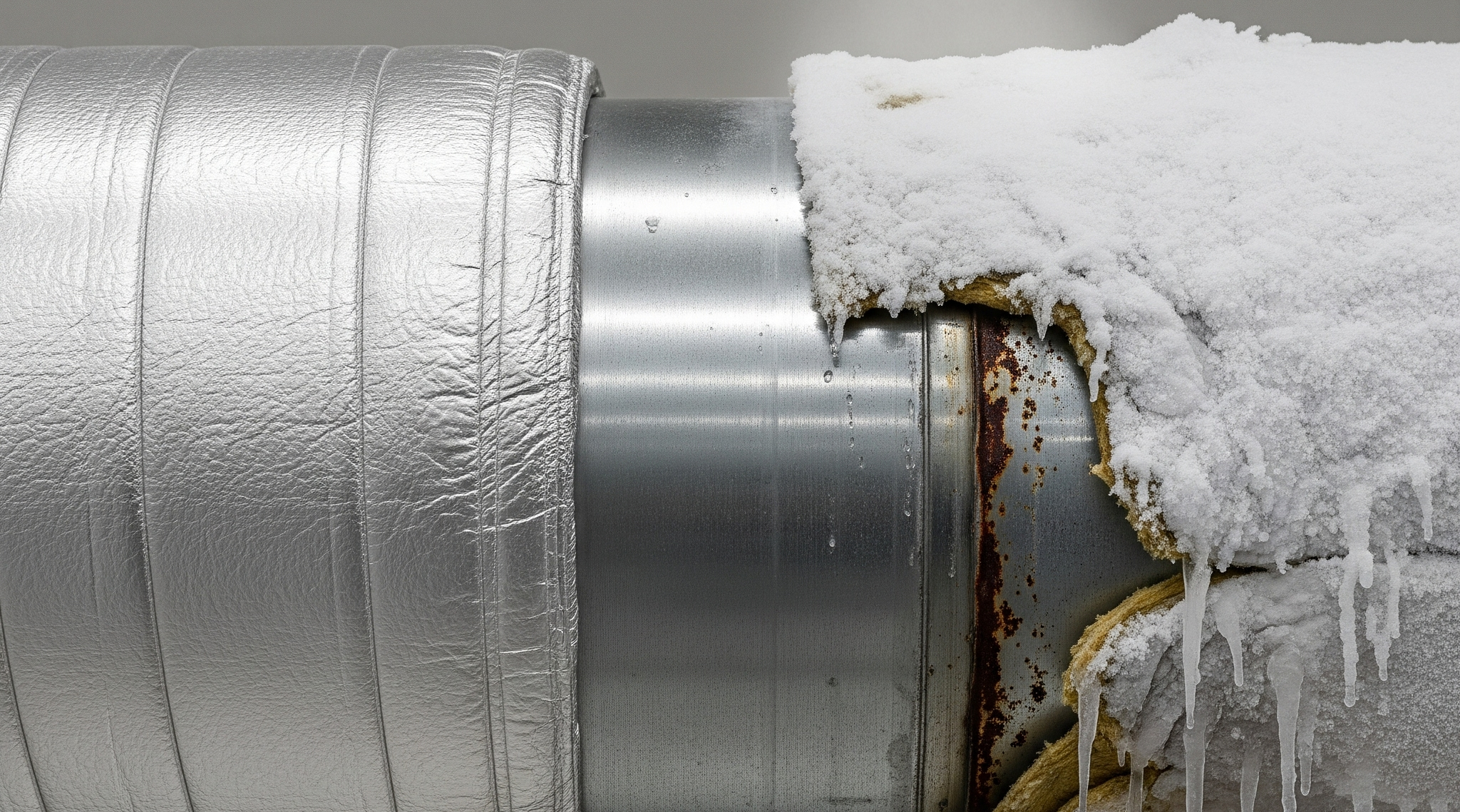
- Condensation and Mold Issues: This is a serious concern for indoor air quality. Poor insulation, especially in attics, crawlspaces, or basements, can lead to condensation forming on HVAC ducts and other surfaces. This trapped moisture creates an ideal environment for mold growth, which not only damages your HVAC system components but also releases harmful mold spores into your home’s air, leading to poor indoor air quality (IAQ) and potential health issues for your family.
Why Insulation Matters Most for Your HVAC’s Performance
At Gold Eagle Services, we firmly believe that the quality of your home’s insulation directly affects your HVAC system’s efficiency, performance, and longevity. Whether you’re trying to keep your home warm in the winter or cool in the summer, insulation is the key to keeping that conditioned air exactly where it belongs—inside your living space. By investing in proper, high-quality insulation, you’ll reap the rewards of lower energy bills, a longer-lasting HVAC system, and a consistently comfortable, healthier living environment year-round.
Ready to understand how upgrading your home’s insulation can dramatically improve your HVAC system’s performance? Contact Gold Eagle Services today! We’re here to help you find the right insulation solution that ensures maximum efficiency and comfort for your home.