

Introduction
Indoor air quality is often treated as a universal concern, but the truth is far from equal. From mold-prone housing and off-gassing materials to proximity to outdoor pollutants that infiltrate the home, low-income and marginalized communities face a disproportionate burden. This environmental imbalance is a powerful example of what researchers call environmental socioeconomic stratification.
At its core, this concept refers to how environmental advantages and harms are distributed unequally based on social and economic lines. Those with fewer resources often experience higher environmental risks – whether in the air they breathe, the water they drink, or the land they live on. While much has been written about broader environmental injustices, indoor air quality (IAQ) remains one of the most insidious and overlooked dimensions of this issue.
Indoor Air Quality: The First Line of Exposure
Unlike outdoor pollutants that can be monitored and regulated by public agencies, indoor air quality is largely governed by private space and personal economics. And yet, we spend 90% of our time indoors.
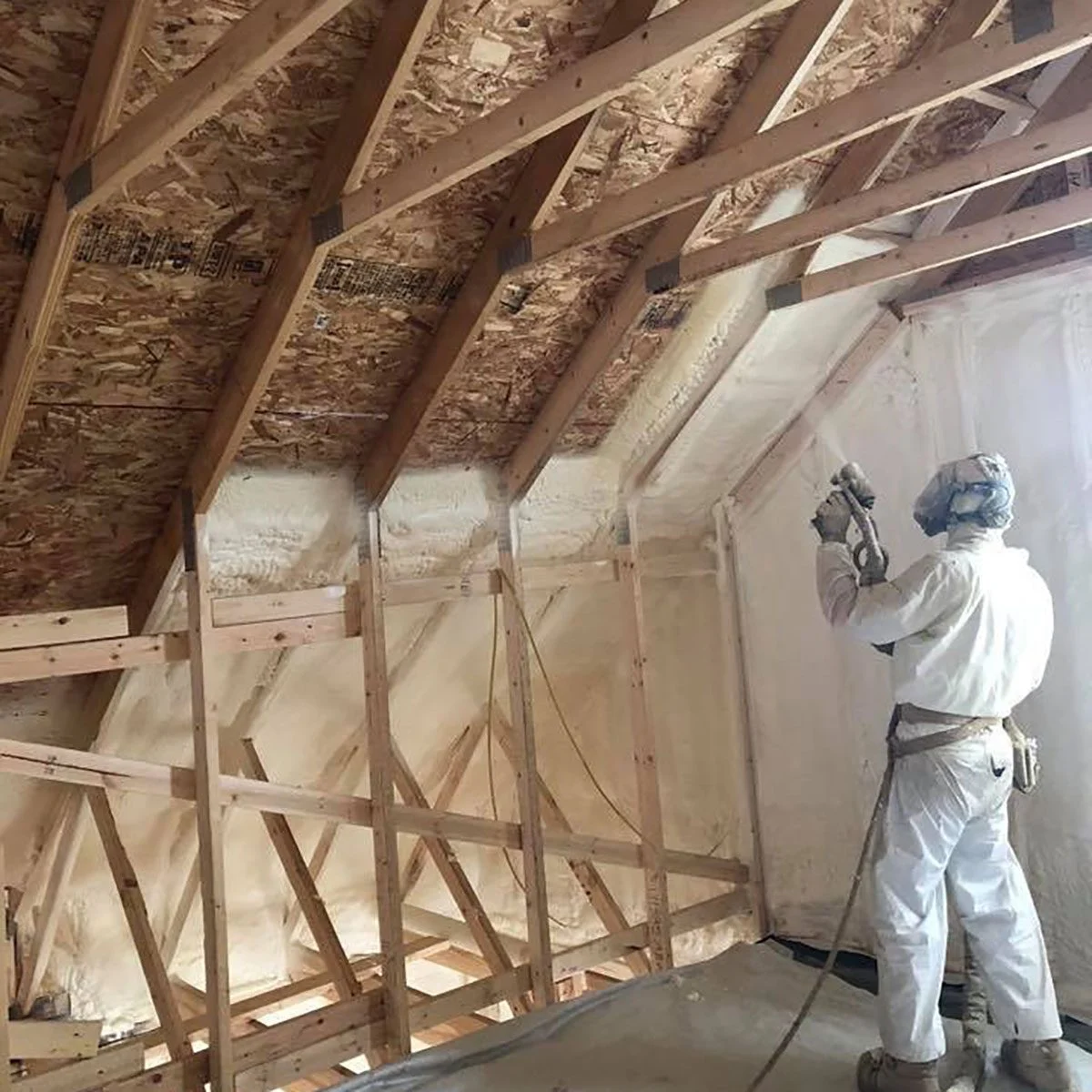
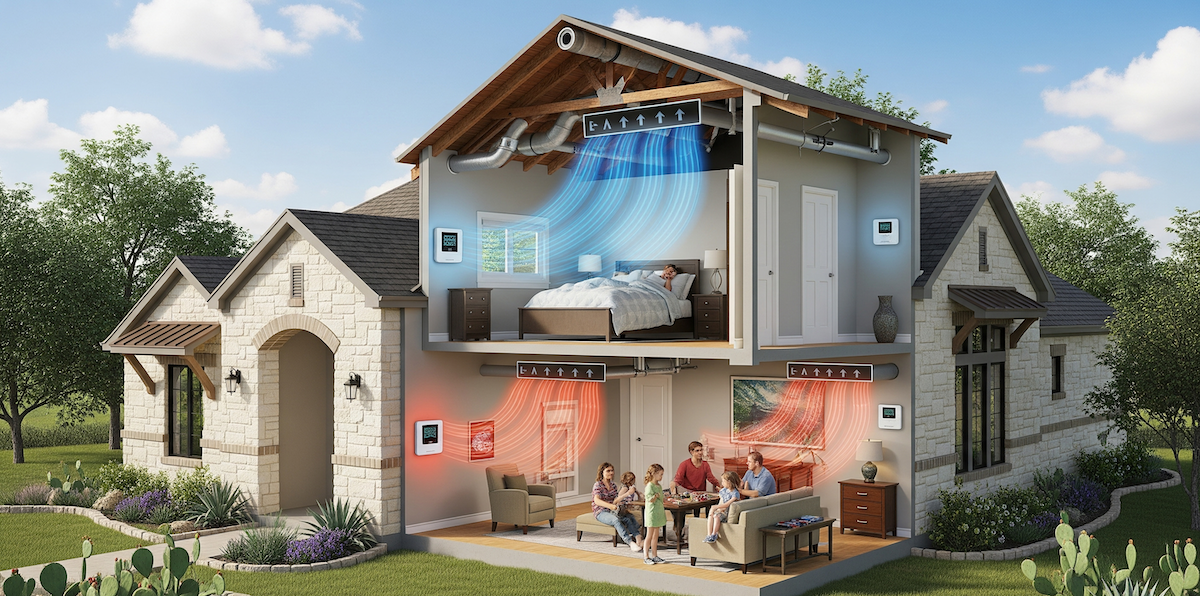
In lower-income households, poor insulation, leaky ductwork, aging HVAC systems, and low ventilation rates all contribute to worse IAQ. This can lead to higher concentrations of mold, volatile organic compounds (VOCs), dust mites, and combustion byproducts. Manufactured homes or public housing units often use building materials that off-gas formaldehyde and other harmful chemicals. Add to that deferred maintenance due to financial constraints, and the result is a built-in cycle of exposure that wealthier households can often avoid or mitigate.
Children, the elderly, and individuals with respiratory conditions are especially vulnerable. Poor IAQ has been directly linked to increased rates of asthma, chronic bronchitis, and even neurodevelopmental delays in children.
While affluent families might install whole-home air purifiers or HEPA filtration HVAC systems, many in marginalized communities are left to deal with the consequences of living in environments that are functionally unhealthy.
Pollution & Hazard Exposure
Environmental socioeconomic stratification is perhaps most obvious when examining where pollution-producing facilities are located. Toxic waste sites, industrial complexes, major roadways, and landfills are disproportionately sited in or near low-income communities.
When coupled with housing that lacks filtration, proper sealing, or HVAC systems equipped to handle airborne hazards, residents of these neighborhoods breathe in more pollutants even when inside their homes.
These same communities often face delayed infrastructure upgrades and fewer environmental enforcement actions, allowing indoor and outdoor air quality issues to persist unchecked for years. Without access to mitigation technologies or political leverage to demand change, residents are left disproportionately vulnerable to long-term health effects.
Why the East Side Gets the Worst of It
One often-overlooked factor in this environmental divide is prevailing wind direction. In most U.S. cities – including Austin – industrial and waste-processing zones have historically been placed on the western or upwind sides of town. As prevailing winds tend to blow west to east, this means that pollution generated in these zones travels directly into east-side neighborhoods.
Over time, this invisible dynamic contributed to lower land values, disinvestment, and a concentration of lower-income communities on the east side of urban areas. The legacy persists in the form of higher pollution exposure, poorer air quality, and fewer environmental protections. The result is not coincidental – it is a byproduct of decades of city planning that failed to account for the health consequences of atmospheric transport and land use.
Understanding wind-borne pollution helps us grasp why environmental injustice often follows a geographic pattern that mirrors socio-economic boundaries. It’s a phenomenon seen across the country, from Los Angeles to Houston to Atlanta.
Urban Heat & Green Space Inequality
Temperature regulation is a critical but often overlooked component of indoor air quality. Wealthier neighborhoods tend to be cooler thanks to a greater density of trees, parks, and heat-reflective infrastructure. Meanwhile, low-income areas suffer from the urban heat island effect – where concrete and asphalt amplify temperatures.
This creates a chain reaction. Higher indoor temperatures increase the rate at which building materials and household products off-gas VOCs. They also increase humidity, which feeds mold growth and dust mite populations. If residents can’t afford air conditioning or live in older buildings with outdated systems, the conditions for IAQ degradation are locked in.
Additionally, without nearby green infrastructure to buffer heat and filter air, these communities face elevated health risks during heatwaves, including respiratory distress and cardiovascular issues.
Water Access & Quality
Indoor air quality doesn’t exist in a vacuum; it’s closely linked to the water systems in a home. Poor water infrastructure can lead to mold infestations when plumbing leaks go undetected or unresolved. Condensation from leaky pipes or uninsulated ductwork also introduces moisture that fosters biological growth in walls, attics, and HVAC systems.
The Flint water crisis became a national headline not just because of the contaminated water, but because of what it revealed about systemic neglect. Similar stories exist in less visible forms across the country, where outdated or poorly maintained plumbing adds moisture and VOCs to the air. In homes with already high relative humidity, water quality issues often become IAQ issues.
Bridging the Gap: What Can Be Done
Tackling environmental socioeconomic stratification requires more than policy – it requires local action and community engagement. Here are a few strategies that show promise:
- Proactive IAQ audits in vulnerable neighborhoods, identifying and addressing mold, HVAC inefficiencies, and building material concerns.
- Incentivized upgrades for ventilation systems in low-income housing, including rebates for energy-efficient equipment that also improves air quality.
- Education campaigns to increase awareness about how everyday choices – like using non-toxic cleaning products or running exhaust fans – can help mitigate IAQ problems.
- Cross-sector partnerships between health departments, environmental groups, HVAC contractors, and local government to create holistic solutions that reflect the lived realities of the people most affected.
Environmental stratification is a systemic issue, but indoor air quality is one of its most intimate expressions. By putting IAQ at the forefront of the conversation, especially in underserved communities, we begin to create homes that not only shelter – but also sustain – those who live inside them.
Local Support & Resources in Austin
Fortunately, there are local programs in place that aim to improve home health and energy efficiency for those who need it most. Austin Energy’s Weatherization Assistance Program offers no-cost home upgrades to qualifying customers, including insulation, duct sealing, HVAC tune-ups, and basic air filtration improvements. These upgrades help reduce energy use, improve comfort, and contribute to healthier indoor environments.
The City of Austin also supports various initiatives that promote sustainability and home performance. From community tree planting to energy efficiency rebates and educational outreach, these programs are designed to make long-term improvements accessible to more residents.
While there’s still work to be done, these resources are a great starting point for improving indoor air quality in neighborhoods that have historically faced more challenges. By continuing to expand and support efforts like these, communities across Austin can take practical steps toward healthier, more resilient homes.