
Introduction
As homeowners, we’re constantly seeking ways to make our living spaces healthier and more comfortable. We’ve likely heard about the benefits of high-powered UV lights in improving indoor air quality – their ability to neutralize harmful bacteria, viruses, and mold spores is impressive. However, merely installing these systems isn’t enough to unlock their full potential. Just like a well-placed lamp can illuminate a whole room, the effectiveness of your UV light system heavily relies on its installation location within your HVAC system.
At Gold Eagle Services, we have extensive experience in optimizing home air quality solutions. While some might consider installing UV lights in the supply plenum, we strongly recommend and prioritize placing them inside the evaporator coil for truly optimal results. This isn’t just a preference; it’s a strategic choice backed by how your HVAC system operates and where contaminants tend to thrive. Understanding this crucial distinction will empower you to make an informed decision for the health of your home and the efficiency of your system.
Why Location Matters: The Critical Difference
The exact spot where UV lights are installed within your HVAC system can profoundly impact their performance in controlling harmful pathogens, mold, and allergens. Think of it like targeting the source of a problem rather than just the symptoms. Here’s a deeper dive into why installing UV lights inside the evaporator coil is significantly more advantageous:
Direct Exposure to the Source of Contaminants
The evaporator coil is, quite frankly, a hotspot for microbial growth. As your HVAC system cools your home, warm, humid air passes over the cold evaporator coil. This process naturally creates condensation – moisture – which, in the dark, often undisturbed environment of your HVAC unit, becomes an ideal breeding ground for mold, mildew, and bacteria.
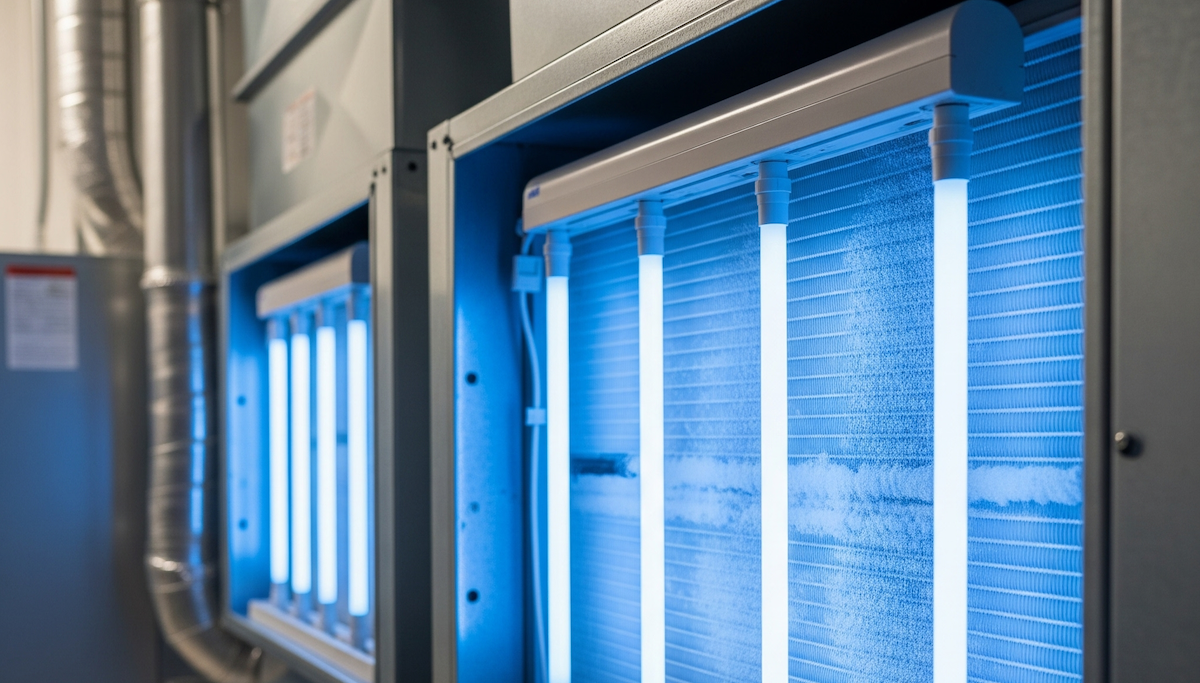
By placing UV lights directly inside the evaporator coil, you ensure that the UV-C rays directly target and neutralize these contaminants at their primary source as they pass through the cooling system and, crucially, before they can establish themselves on the coil surface. This strategic positioning allows for:
- Effective Disinfection: The UV lights are positioned to constantly bathe the coil in germicidal light, effectively eliminating mold spores, bacteria, and viruses that thrive in these damp conditions. This continuous cleaning prevents microbial colonies from forming and releasing spores into your home’s air.
- Preventing Re-contamination: A clean evaporator coil is a critical barrier. By keeping this component thoroughly disinfected, you significantly minimize the risk of these contaminants being reintroduced into your home’s air supply, ensuring that the air circulated is as clean as possible.
Improved Airflow and System Efficiency
A dirty or mold-covered evaporator coil isn’t just a health concern; it’s an efficiency drain. When mold and grime accumulate on the coil, it acts like an insulating blanket, making it harder for the coil to absorb heat and cool the air effectively. This forces your HVAC system to work harder and run longer to achieve the desired temperature in your home.
When UV lights are installed within the evaporator coil, they actively prevent this buildup, promoting better airflow and overall efficiency in your HVAC system. This is essential for:
- Enhanced Cooling Performance: A consistently clean coil means the system can transfer heat more efficiently. This leads to improved overall cooling performance, ensuring your home stays comfortable without your system struggling.
- Energy Savings: Improved efficiency directly translates to reduced energy consumption. Your HVAC unit won’t have to labor as hard, resulting in lower utility bills and tangible savings on your energy costs each month.
Longer Lifespan of Your Equipment
Investing in an HVAC system is a significant expenditure for any homeowner. Protecting that investment by extending its lifespan is a smart financial move. Microorganisms and the gunk they create can slowly but surely degrade the components of your system.
Installing UV lights in the evaporator coil can actively extend the lifespan of your HVAC equipment by:
- Reducing Wear and Tear: A clean coil prevents the buildup of dirt, grime, and biological material, which can strain various components of your system over time. When your system runs cleaner, there’s less stress on the motor, fan, and other parts.
- Lower Maintenance Costs: Regularly disinfected components require less frequent deep cleaning and less intensive maintenance from technicians. This proactive prevention of buildup saves you time, hassle, and money in the long run by reducing the need for costly repairs or extensive cleanings.
Evaporator Coil vs. Supply Plenum: A Clear Choice
Let’s briefly compare the two common installation approaches so you can see why our recommendation is so firm:
Evaporator Coil Installation (Our Recommendation):
- Pros: Directly targets the primary source of mold and bacteria growth; ensures highly effective disinfection of the coil; leads to improved airflow and energy efficiency; extends the lifespan of your HVAC equipment by preventing buildup.
- Cons: Requires precise professional installation to ensure proper placement and safety, as UV-C light can be harmful if not contained properly.
Supply Plenum Installation (Less Effective):
- Pros: Generally offers easier access for initial installation.
- Cons: Limited effectiveness against the critical problem of mold and bacteria that can build up directly on the evaporator coil; offers less direct germicidal action on the main breeding ground for pathogens; potential for re-contamination as air passes through areas not directly exposed to the UV light before reaching the living space. While it may kill some airborne pathogens, it doesn’t address the root cause of growth within the system.