
Introduction
The size of your home’s ductwork is one of the most critical factors in ensuring the efficiency, performance, and comfort of your heating and cooling system. Think of your ductwork as the circulatory system for your conditioned air; if the “veins and arteries” are too narrow or too wide, the whole body suffers. Properly sized ducts are absolutely essential for balanced airflow, optimal energy efficiency, and a long lifespan for your valuable HVAC equipment. Whether your ductwork is too large or too small, improperly sized ducts can lead to a host of issues that affect your system’s overall operation. Let’s delve into the specific impacts of undersized and oversized ducts, and highlight why getting the size just right is key to an optimized HVAC system.
The Silent Struggles of Undersized Ductwork
Undersized ducts are one of the most common causes of HVAC system inefficiency, and they often lead to homeowners feeling frustrated with their comfort and energy bills. When ducts are too small, they restrict the amount of air the system can push through, creating significant problems:
- Restricted Airflow & Uneven Comfort: Imagine trying to breathe through a tiny straw. That’s what your HVAC system’s blower motor experiences with undersized ducts. They simply can’t deliver enough conditioned air to each room, leading to noticeable uneven heating and cooling. You’ll likely experience some rooms being too hot or too cold, making it difficult to maintain consistent indoor comfort throughout your home.
- Overworked HVAC System: When air struggles to move through constricted, undersized ducts, it puts immense strain on your HVAC system. The system runs more frequently and for longer periods, trying desperately to reach the thermostat setting. This leads to excessive wear and tear on key components like the blower motor and compressor. Over time, this extra workload significantly shortens the lifespan of your entire unit and increases the need for costly repairs or even premature replacement.
- Sky-High Energy Bills: Because your HVAC system is constantly forced to run longer and harder with undersized ducts, it consumes significantly more energy to heat or cool your home. This core inefficiency directly translates into higher utility bills, as the system needs more power just to achieve basic indoor comfort.
- Annoying Noise Issues: With restricted airflow, undersized ducts often cause increased noise. Homeowners frequently report loud whistling, humming, or rattling sounds as air is forced through the tight ductwork at higher speeds. This constant noise can be disruptive and significantly detract from your home’s peaceful atmosphere.
- Pressure Imbalance & Potential Health Risks: The excessive pressure buildup in undersized ducts can cause them to develop leaks, allowing valuable conditioned air to escape before reaching your living spaces. This wastes energy and reduces heating/cooling effectiveness. More critically, improper duct pressure can lead to backdrafting, where harmful combustion gases from appliances like water heaters and furnaces are drawn back into your home, posing a serious health risk from carbon monoxide.
The Hidden Problems with Oversized Ductwork
While undersized ducts create obvious airflow restrictions, oversized ducts present their own unique set of challenges. The primary issue with oversized ducts is that they reduce air velocity, causing the air to move too slowly through the system. This can result in:
- Uneven Temperature Control: Similar to undersized ducts, oversized ducts can lead to inconsistent temperatures throughout the home. The slow-moving air struggles to reach the farthest rooms, resulting in areas that remain stubbornly too hot or too cold, despite the thermostat setting.
- Increased Moisture Issues: Slow air movement reduces the HVAC system’s ability to effectively dehumidify your home. In humid climates, like here in Central Texas, this can lead to elevated indoor humidity levels. High humidity increases the likelihood of mold and mildew growth, which can severely impact indoor air quality (IAQ) and even cause structural damage.
- Noise Issues (Again!): Although for different reasons than undersized ducts, oversized ducts can also contribute to noise. Reduced air velocity can cause air to “stratify” or drop out of the ductwork before reaching its destination, creating peculiar whooshing or dropping noises.
Why Properly Sized Ductwork is the “Just Right” Solution
Achieving the correct balance in your ductwork size is fundamental for the overall performance of your HVAC system. Here’s why getting it “just right” is crucial:
- Balanced Airflow: Properly sized ducts ensure consistent and balanced airflow throughout your entire home. This means every room receives the right amount of conditioned air, improving comfort and completely eliminating hot or cold spots.
- Optimized Energy Efficiency: When ducts are the correct size, your HVAC system can run efficiently without excessive strain. This directly translates into lower energy consumption, reduced utility bills, and a system that lasts longer due to less wear and tear.
- Enhanced Indoor Air Quality: Correctly sized ductwork minimizes the risk of leaks, pressure imbalances, and moisture buildup, all of which can negatively affect indoor air quality (IAQ). With the right size ducts, your system can effectively filter the air and control humidity, leading to a healthier indoor environment.
- Quiet Operation: Proper duct sizing also ensures that your system operates quietly. By minimizing the noise from whistling ducts or rattling caused by high-pressure airflow, you can enjoy a more peaceful and comfortable living space.
Additional Considerations for Total Duct Optimization
Beyond just sizing, several other aspects of ductwork contribute to a fully optimized HVAC system:
- Air Sealing: Ensuring that all duct connections are properly sealed prevents air leaks that waste energy and reduce system performance.
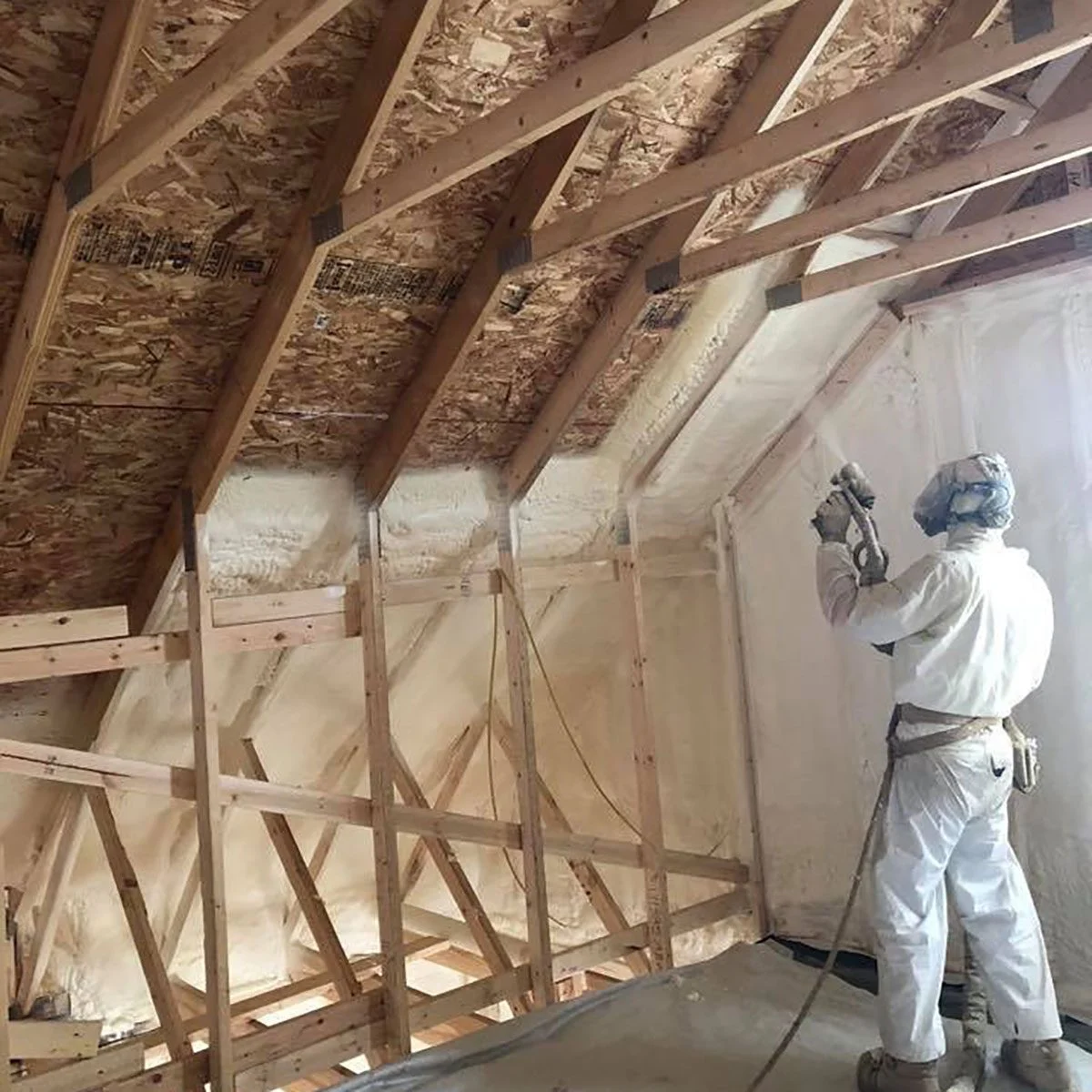
- Insulation: Ducts running through unconditioned spaces (like attics or crawl spaces) should be properly insulated to retain conditioned air and prevent energy losses.
- Attic Baffles & Light Covers: Ensuring proper baffling around attic insulation and sealing recessed light covers helps maintain consistent attic temperatures and prevents conditioned air from escaping.
Properly sized ductwork is not just a detail; it’s a crucial component of any efficient and effective HVAC system. Whether your ducts are too large or too small, incorrect sizing can lead to poor system performance, higher energy bills, and discomfort in your home. At Gold Eagle Services, we specialize in evaluating and optimizing your duct system to ensure your HVAC system performs at its peak.