

Introduction
When homeowners think about “drafts” or “air leaks” in their house, the first thing that comes to mind is almost always windows and doors. It’s intuitive – you can feel the cold air around a window in winter, you can see the daylight under a door, and replacing windows is one of the most heavily marketed home improvements in the industry. But the reality of how air actually moves through a typical Central Texas home is very different from what most people expect. The biggest infiltration sources in your home are usually completely invisible, located in places you never look, and dramatically more impactful than the windows you’ve been worrying about. Understanding the real ranking helps homeowners make smarter decisions about where to spend improvement dollars and what will actually move the needle on comfort, energy, and moisture control. Let’s break down where the air actually goes.
The Stack Effect: Why Attics Matter More Than You Think
Before getting into specific leak sources, it helps to understand how air moves through a home in the first place. Warm air rises. In any conditioned home, the warmer indoor air at the top of the house wants to escape upward, while cooler outdoor air gets pulled in at the bottom to replace it. This phenomenon is called stack effect, and it’s the engine that drives most household air leakage.
The taller the home and the bigger the temperature difference between inside and outside, the stronger the stack effect becomes. A two-story home in Central Texas during a 100°F summer afternoon has a powerful upward air current pulling conditioned air out through any opening at the top of the house and pulling humid outdoor air in at the bottom. The attic is where most of the action happens – because that’s where the openings at the top of the house are, and that’s where the pressure differential is strongest.
This is why attic-related leaks are such a big deal. They’re not just leaks – they’re leaks at the exact location where the home’s natural air movement wants to push the most air through them.
The Real Ranking: Where Air Actually Moves
Energy auditors who perform blower door tests on homes consistently find the same hierarchy of leak sources, in roughly this order of impact:
- Attic bypasses and penetrations. This is almost always the single biggest category of leakage in a typical home. It includes top plates of interior walls, plumbing penetrations into the attic, can light housings, bathroom exhaust fan boots, attic hatches, chases around chimneys and flues, and dropped soffits over kitchen cabinets. A single uncapped chase or unsealed top plate can leak more air than every window in the house combined.
- Duct leakage in unconditioned attics. When supply and return ducts run through a hot Central Texas attic, even small leaks have outsized impact. Supply leaks dump conditioned air into the attic. Return leaks pull 130°F+ attic air directly into the system, then into the home. Studies have shown that a typical Texas home with ducts in the attic loses 20-30% of its total HVAC capacity to duct leakage alone.
- Wall penetrations and chases. Plumbing stacks running through walls, electrical chases, dryer vents, recessed cabinet bases, and the general gap between the wall framing and the bottom plate. These are smaller individually than attic bypasses but add up across a whole home.
- Windows and doors. Despite being the most visible source of perceived drafts, windows and doors typically account for a smaller share of total leakage than the categories above – especially if they’re newer or have intact weatherstripping. The frame and weatherstripping leak more than the glass or door panel itself.
- Electrical outlets and switches on exterior walls. These are minor individually but contribute meaningfully across an entire home, especially in older construction without modern air sealing details.
The order matters because the cost-effectiveness of each improvement is wildly different. Attic air sealing is typically a few thousand dollars and can reduce overall leakage by 30% or more. Window replacement is often $20,000-$40,000 for a whole home and may reduce overall leakage by 5-10% even when done well. The math heavily favors starting at the top.
Why This Matters for Moisture in Central Texas
In our climate, infiltration isn’t just an energy issue – it’s a moisture issue, and that’s where the priorities get even more important.
Outdoor air in Central Texas often carries dewpoints in the 65-75°F range during humid stretches of the year. Every cubic foot of outdoor air that infiltrates into the home brings that moisture with it, which the dehumidifier and air conditioning system then have to remove. The more uncontrolled infiltration a home has, the harder its equipment has to work just to maintain reasonable indoor moisture levels.
This becomes critical during weather events. When a homeowner watches their indoor humidity climb during a rainy day, infiltration is often the largest single contributor. The dehumidifier can only remove moisture so fast – if outdoor moisture is pouring in through attic bypasses and leaky ducts, the dehu is working uphill the whole time.
Reducing infiltration is one of the most direct ways to improve a home’s ability to manage humidity. A tighter home holds onto its dehumidified air longer, recovers faster after weather events, and operates with less HVAC runtime. This is true even before considering the energy savings.
Attic Air Sealing: The Highest-Impact Single Improvement
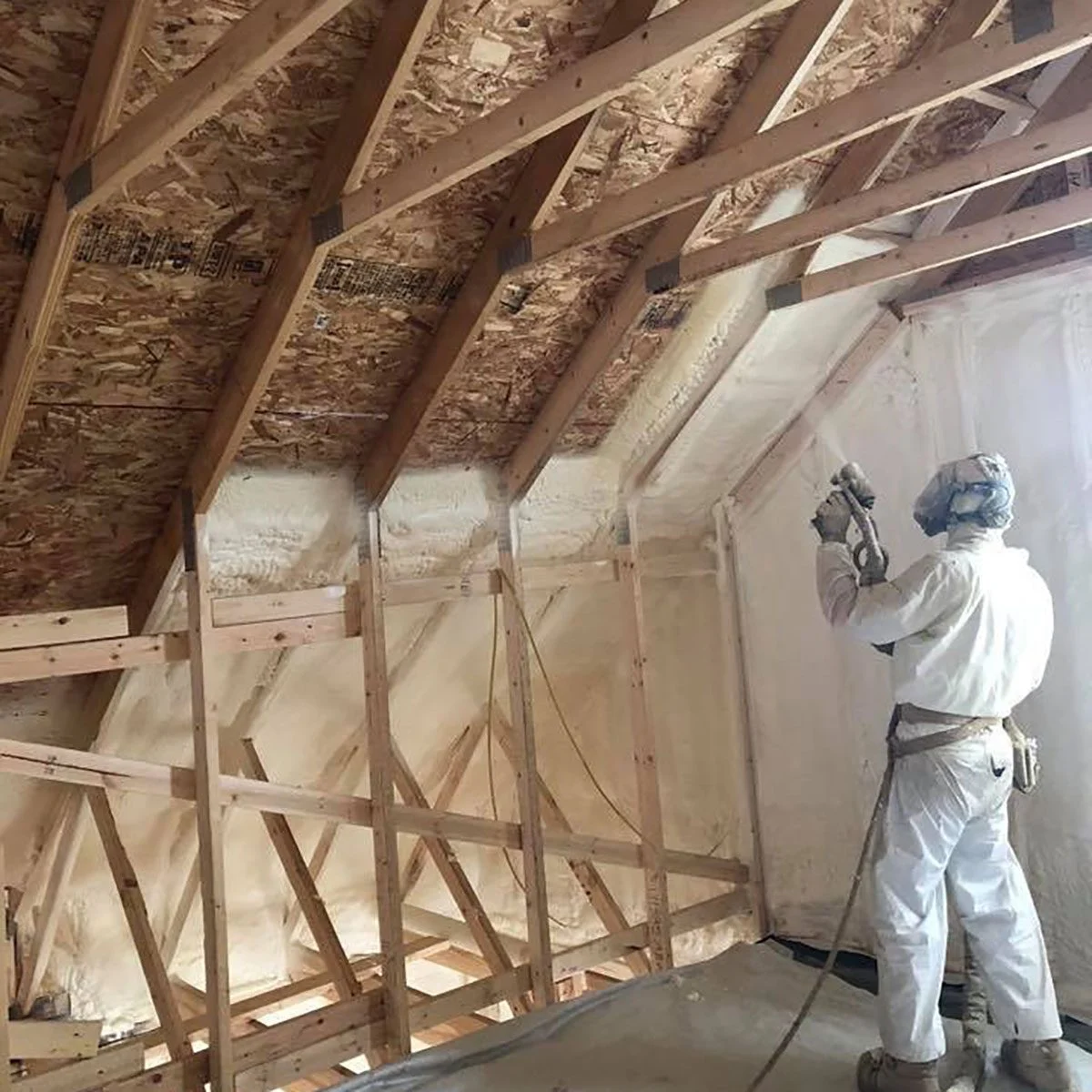
For most Central Texas homes, attic air sealing is the single highest-impact infiltration improvement available. The work involves identifying the openings between the conditioned space and the attic and sealing them with appropriate materials – typically caulk, foam, or rigid covers depending on the location.
Common targets include:
- Top plates of interior walls – the gap between the wall framing and the drywall, which often runs the full length of every interior wall and connects directly to the attic.
- Plumbing and electrical penetrations through the ceiling into the attic.
- Recessed light housings – older non-IC-rated cans are major leakers; even newer cans benefit from proper sealing around the housing.
- Bathroom exhaust fan boots where the fan housing meets the ceiling drywall.
- Attic hatches and pull-down stairs, which are often completely uninsulated and unsealed.
- Chimney and flue chases, which can run from basement to roof and act as massive air channels.
- Dropped soffits over kitchen cabinets and built-ins, which often have open cavities connecting directly to the attic.
After sealing, attic insulation can be added or upgraded to its full effectiveness – insulation only works properly when it’s not being bypassed by air movement. Insulating without air sealing first is one of the most common mistakes in home improvement.
Duct Leakage: The Hidden Energy Drain
For homes with ductwork in the attic – which is most of Central Texas – duct sealing is the second highest-impact improvement available. Leaky supply ducts dump conditioned air into the attic, where it does nothing for the home. Leaky return ducts actively pull superheated attic air into the system, which the AC then has to cool back down before delivering it to the home.
Duct leakage is invisible. Homeowners can’t see it, can’t feel it, and rarely think about it – which is why it persists for decades in homes that would otherwise be candidates for other improvements. A duct leakage test (typically using a Duct Blaster or similar diagnostic equipment) measures the actual leakage rate and identifies where the worst problems are.
Sealing options range from mastic at duct joints to aerosol-based interior sealing systems for more comprehensive work. The investment is typically well under the cost of a major equipment upgrade and often produces more dramatic comfort and energy improvements than the equipment upgrade itself would.
Windows: Where They Actually Help
This isn’t to say windows don’t matter – they do, just not always for the reasons homeowners expect. Single-pane windows in particular create their own problems beyond infiltration:
- Condensation surfaces. Single-pane glass gets cold enough in winter to drop below indoor dewpoint, creating condensation on the glass that can run down into sashes and frames, eventually leading to rot and localized mold around the window assembly.
- Cold spots in the home. Even well-sealed single-pane windows create cold surfaces nearby that affect comfort and can drive occupants to overcompensate with thermostat settings.
- Frame and weatherstripping leakage. Older window assemblies often leak significantly around the frame and where the sash meets the frame, separate from the glass itself.
Window replacement is a legitimate improvement, but it’s most justified when paired with the right reasons: eliminating winter condensation problems, improving comfort near the windows, and addressing genuinely deteriorated frame/weatherstripping conditions. As a pure energy or infiltration improvement, the payback period is typically long – often 15-25 years or more on the energy savings alone.
For homeowners deciding between improvements, attic air sealing first, duct sealing second, windows when justified by comfort or condensation issues is usually the right priority order.
The Bigger Picture
The instinct to focus on visible problems like windows is understandable – they’re the leaks you can see and feel. But the leaks that matter most in a Central Texas home are the ones happening above your ceiling, in places you’ll never see without an attic inspection or a blower door test.
Prioritizing improvements based on where the air actually moves produces better outcomes for energy, comfort, and moisture control. A well-sealed attic and tight ductwork create the foundation that makes everything else work better – your HVAC system runs less, your dehumidifier keeps up more easily, your home recovers faster from weather events, and your overall envelope holds onto conditioned air the way it’s supposed to.
If you want to know where your home actually leaks – rather than guessing based on what you can see and feel – the right next step is a professional infiltration assessment. At Gold Eagle Services, we look at the whole envelope as a system, identify the highest-impact improvements for your specific home, and help you spend improvement dollars where they’ll actually move the needle. Give us a call to talk through what makes sense for your home.