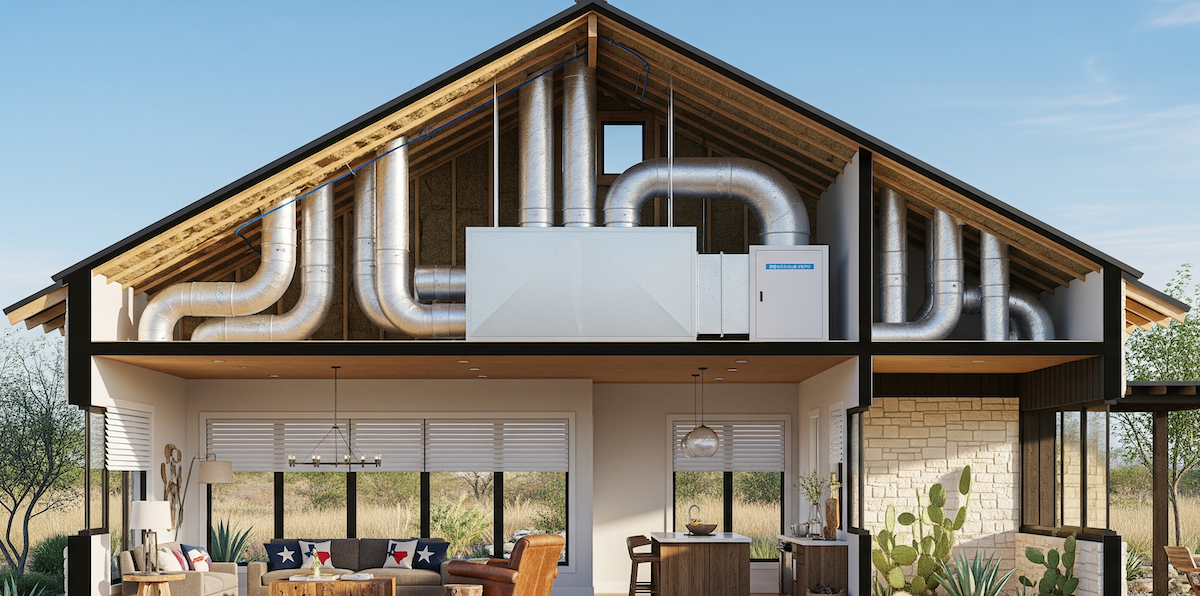


When it comes to controlling the temperature in different areas of your home, zoning is often the first solution homeowners consider. Traditionally, this means modifying your existing ducted HVAC system with dampers and multiple thermostats. However, this approach can be costly, complex, and space-consuming – especially in homes that weren’t designed with zoning in mind. Mini-split systems, also known as ductless mini-splits, offer a powerful alternative. They provide zoned comfort without relying on your central HVAC system to do all the work – and in many cases, they do it more efficiently and with greater flexibility.
Built for Room-by-Room Control
Mini-split systems are inherently designed to offer zoned comfort. Rather than pushing air through a single duct system controlled by dampers, each mini-split indoor unit operates independently and is installed directly in the space it serves. This setup allows for true room-by-room temperature control. Whether it’s a master bedroom, home office, converted garage, or upstairs game room, each area can be cooled or heated to match its specific use and occupancy – without affecting other parts of the house.
Flexible Configuration Options
One of the greatest strengths of mini-splits is their flexibility. Homeowners can choose between single-zone systems (one indoor unit + one outdoor unit) or multi-zone systems (multiple indoor units connected to a single outdoor unit). There are also multiple styles of indoor heads – wall-mounted, ceiling cassettes, floor consoles, and even slim ducted units – making it easy to blend them with any interior. This modular design lets you scale comfort exactly where it’s needed, without having to overhaul your existing HVAC system or modify the entire home’s ductwork.
Traditional ducted zoning still relies on one large central HVAC system, which often runs inefficiently when only one or two zones are calling for air. Mini-splits use inverter-driven compressors that ramp up or down based on real-time demand, so the system never works harder than it needs to. And because there are no ducts involved, you avoid the typical 20–30% energy loss that occurs in leaky or poorly insulated duct systems. The result is targeted comfort with much lower utility bills – especially in climates with high seasonal usage like Central Texas.
Ideal for Homes with Structural or Design Constraints
Many homes simply aren’t built to support a zoned duct system. Attics may be cramped, walls might be inaccessible, or the home may lack central ductwork altogether. Mini-splits bypass these challenges entirely. They require only a small wall opening for refrigerant lines, making them perfect for additions, renovations, ADUs, or historic homes. You don’t need space for bypass ducts, zoning panels, or complex dampers – just a wall, a ceiling, and a power source.
Modern Control and Smart Home Integration
Mini-splits don’t just provide physical zoning – they also offer digital control. Most systems include remotes, programmable thermostats, or smart controls that integrate with Wi-Fi or voice assistants like Alexa or Google Home. Homeowners can set schedules, control units remotely, or adjust temperatures by zone on the fly. Whether it’s keeping bedrooms cool at night or turning off a guest room when not in use, the convenience and precision of mini-split controls take home comfort to the next level.
Smarter Zoning Without the Complexity
In the end, mini-splits offer a smarter, simpler way to zone your home without the cost or complications of retrofitting a traditional HVAC system. You get independent comfort in the areas that matter most – without the ductwork headaches, without static pressure issues, and without wasting energy on unoccupied rooms. For homeowners looking for targeted comfort, energy savings, and flexibility, mini-splits are a modern solution that make traditional zoning feel outdated.