
Introduction
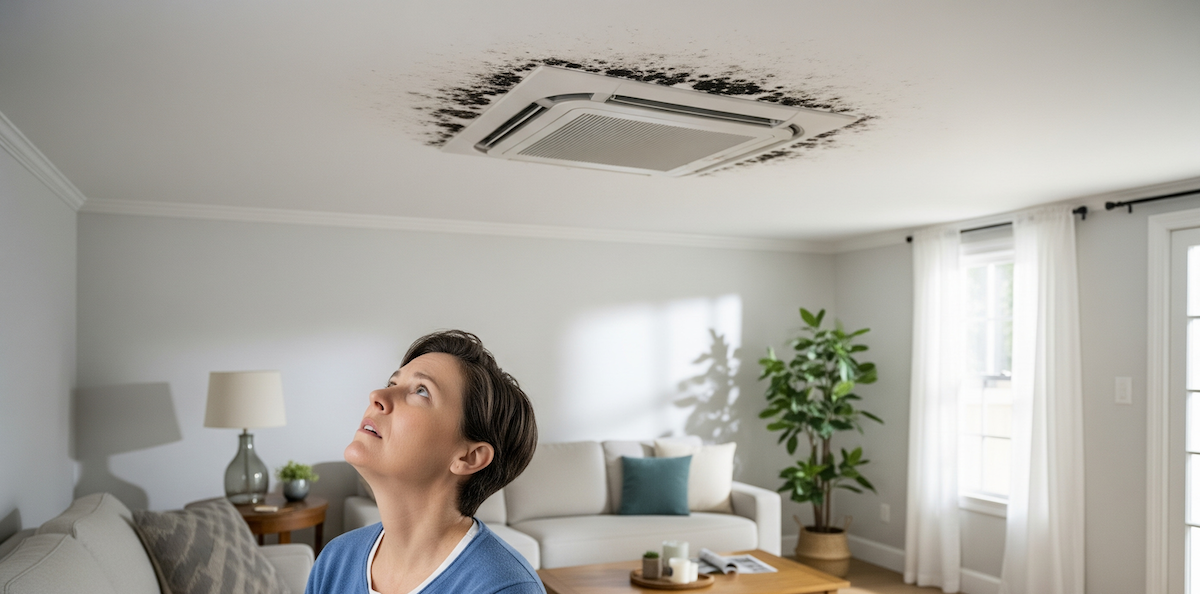
You’ve invested in a top-tier HVAC system, and your Central Texas home feels perfectly comfortable, even during our famously hot and humid summers. But here’s something many homeowners don’t realize: even the most advanced HVAC system isn’t a complete shield against mold. While your heating and cooling system plays a vital role in maintaining indoor comfort, mold is a persistent adversary that thrives on moisture, which can come from many sources beyond just air temperature. Let’s explore why your HVAC system alone isn’t enough, and more importantly, what you can do about it to protect your home and family.
Understanding the Bigger Picture: Your Home as an Ecosystem
Think of your home like a living, breathing ecosystem. Your HVAC system is undoubtedly crucial – it’s like the lungs of your home, circulating air and controlling temperature – but it’s just one part of a much larger, complex environment. To truly combat mold, you need to grasp the full scope of moisture control and mold prevention:
The Sneaky Moisture Challenge
Even with perfect temperature control from your HVAC, moisture can be incredibly sneaky and infiltrate your home from various avenues:
- Foundation and Basement Intrusion: Water can seep through basement walls, especially after heavy Central Texas rains, or rise from the ground into crawl spaces.
- Lingering in Poorly Ventilated Areas: Bathrooms without strong exhaust fans or kitchens lacking adequate ventilation after cooking can trap significant moisture.
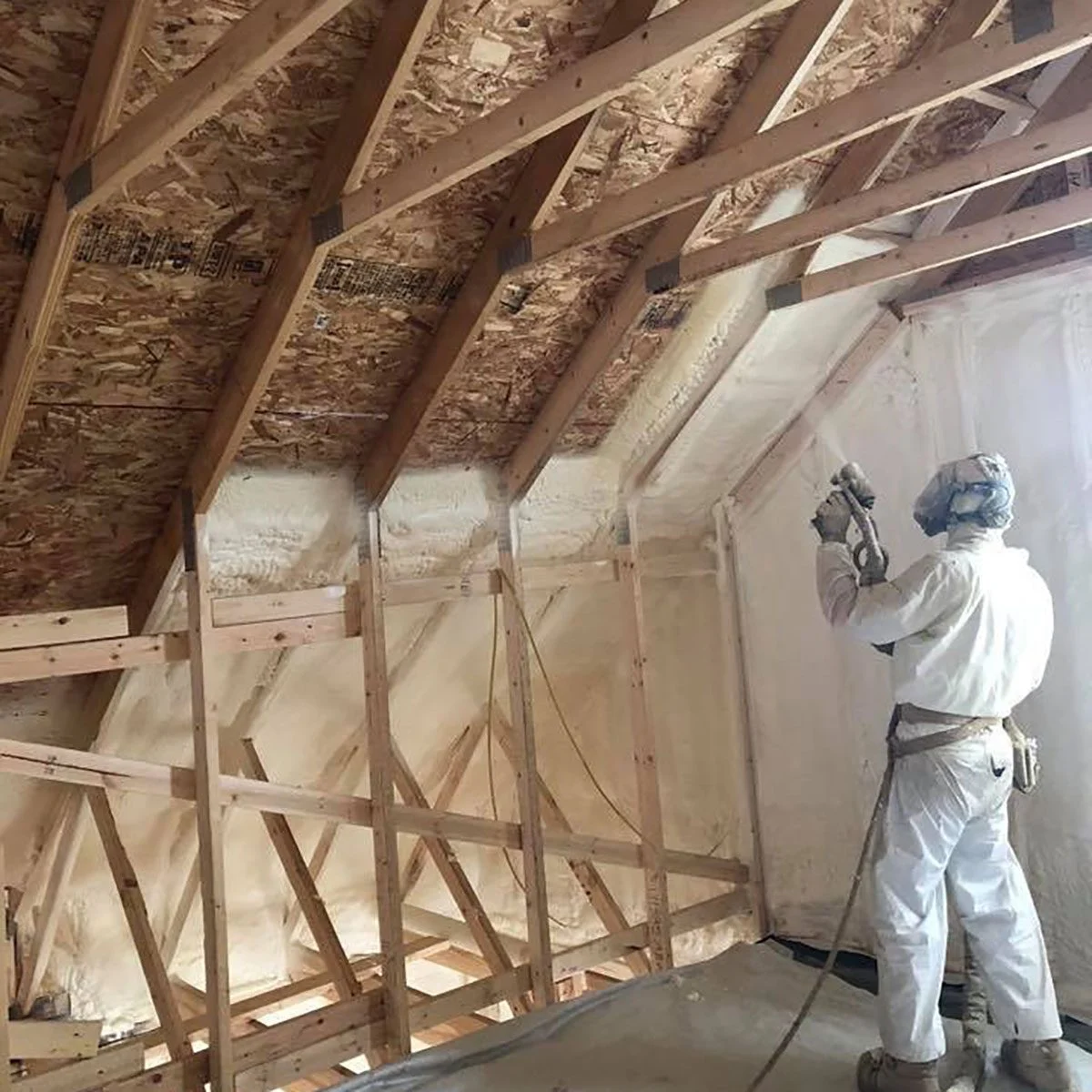
- Accumulation in Attic Spaces: High humidity in unconditioned attics can lead to condensation on cold surfaces, providing a prime breeding ground for mold.
- Hidden Plumbing Leaks: Small, unnoticed plumbing leaks behind walls or under sinks can create persistent damp spots, allowing mold to flourish out of sight.
Why Humidity Matters So Much
Mold needs moisture, and when indoor humidity creeps above 60% relative humidity, you’re essentially giving mold an open invitation to move in and spread. This critical threshold can be crossed even when your air conditioning is working flawlessly, particularly in:
- Laundry Areas: The moisture from washing and drying clothes can significantly elevate indoor humidity if not properly vented.
- Bathrooms: After hot showers, without proper ventilation.
- Kitchens: During extensive cooking, boiling, or dishwashing.
- Basements/Crawl Spaces: Especially during humid seasons, where ground moisture can easily migrate indoors.
A Complete Solution: Going Beyond Basic HVAC for Mold Prevention
Protecting your Central Texas home from mold requires a comprehensive, multi-faceted strategy that complements your HVAC system.
1. Comprehensive Humidity Management
Think of humidity control like a thermostat for moisture – you need to actively manage it, not just hope your AC takes care of everything:
- Whole-Home Dehumidifiers: These systems work in tandem with your HVAC to remove excess moisture from the air throughout your entire home, maintaining ideal humidity levels (typically 30-50%).
- Smart Humidity Monitors: Investing in affordable digital hygrometers allows you to get real-time feedback on your indoor humidity levels, empowering you to take action when numbers climb too high.
- Targeted Solutions for Problem Areas: Portable dehumidifiers can provide extra support in persistently damp areas like basements or laundry rooms.
- Seasonal Adjustments: Understand that humidity challenges change with the seasons; your strategy might need to adapt from summer to winter.
2. Strategic Ventilation
Proper ventilation is like giving your home the ability to take deep, cleansing breaths, expelling moist, stale air and bringing in fresh, drier air:
- High-Powered Bathroom Exhaust Fans: Ensure these are properly sized, vented to the outside (not just the attic), and used consistently during and after showers.
- Kitchen Ventilation Systems: Use range hoods that vent outdoors to remove moisture and cooking byproducts.
- Attic Ventilation Solutions: Proper attic ventilation (e.g., ridge vents, soffit vents) helps to remove hot, humid air that can lead to condensation and mold on rafters and insulation.
- Basement/Crawl Space Air Exchange Systems: These systems can help remove stagnant, humid air from lower levels of your home.
3. Proactive Leak Prevention
Small leaks can create big mold problems, often hidden from view until they’ve caused significant damage:
- Regular Inspections: Periodically inspect your roof, plumbing fixtures, appliance hoses (washing machine, dishwasher, refrigerator), and around windows/doors for any signs of water intrusion.
- Early Detection Systems: Consider smart leak detectors that can alert you to moisture in critical areas.
- Professional Assessment: If you suspect a hidden leak, a professional can use specialized tools (like thermal imaging) to locate the source.
- Immediate Repair: Address any water intrusion or plumbing leaks immediately, no matter how small they seem.
4. Advanced Air Quality Monitoring
Knowledge is power when it comes to the air you breathe:
- Professional Assessments: An HVAC or indoor air quality professional can provide comprehensive assessments and recommendations tailored to your home’s unique challenges.
- Continuous Air Quality Monitoring: Affordable home sensors can track humidity, VOCs, and particulate matter, giving you insights into your home’s environment.
- Regular Testing for Mold Spores: If you suspect an issue, professional air testing can confirm the presence and type of mold spores.
When Mold Appears: Taking Action
If you discover visible mold or suspect a hidden problem, swift, professional action is crucial:
- Ongoing Monitoring: Continue to monitor humidity and air quality to ensure the problem doesn’t return.
- Professional Assessment: Have experts evaluate the extent of the mold growth and identify its moisture source.
- Safe and Thorough Removal: Mold remediation should be performed by qualified professionals to prevent spreading spores and ensure complete removal.
- Identification and Correction: The underlying moisture issue must be identified and corrected to prevent recurrence.
- Preventive Measures: Implement additional preventative strategies as recommended.
The Path to a Truly Healthy Home in Central Texas
Creating a mold-resistant environment requires a comprehensive strategy that goes beyond just setting your thermostat. It involves integrating multiple solutions and maintaining vigilance:
- Regular Maintenance of all home systems, including HVAC, plumbing, and ventilation.
- Prompt Attention to any and all moisture issues, no matter how minor.
- Professional Guidance and Support from experts in HVAC, insulation, and indoor air quality.
- Continuous Monitoring and Adjustment to adapt to changing seasons and home conditions.
Your HVAC system is a vital part of your home’s comfort, but a truly healthy home requires a complete approach to moisture management, ventilation, and indoor air quality. With the right strategy and professional support, you can create an environment that’s not just comfortable, but truly healthy and mold-resistant for you and your family in Central Texas.
Ready to protect your home from mold? Contact Gold Eagle Services for a comprehensive assessment and personalized solution to ensure your home is healthy and comfortable.