-
 Case Study
ZILKR ON THE PARK CONDOMINIUMS
This case study documents a complete HVAC system upgrade completed at Zilkr on the Park in June 2026, designed to address chronic humidity control issues common in multi-unit residential buildings. The installation prioritizes latent capacity and part-load efficiency through variable-capacity equipment and precision commissioning protocols, while addressing capacity deficits in corner units with significant solar exposure.
-
 Insulation & Envelope
Where Your Home Actually Leaks: A Central Texas Homeowner's Guide to Air Infiltration Priorities
This article explains that most homeowners overestimate how much air leakage comes from windows and underestimate how much comes from attics and ductwork - and understanding the real ranking of infiltration sources helps Central Texas homeowners spend their improvement dollars where they'll have the biggest impact on comfort, energy bills, and moisture control.
-
 Indoor Air Quality (IAQ)
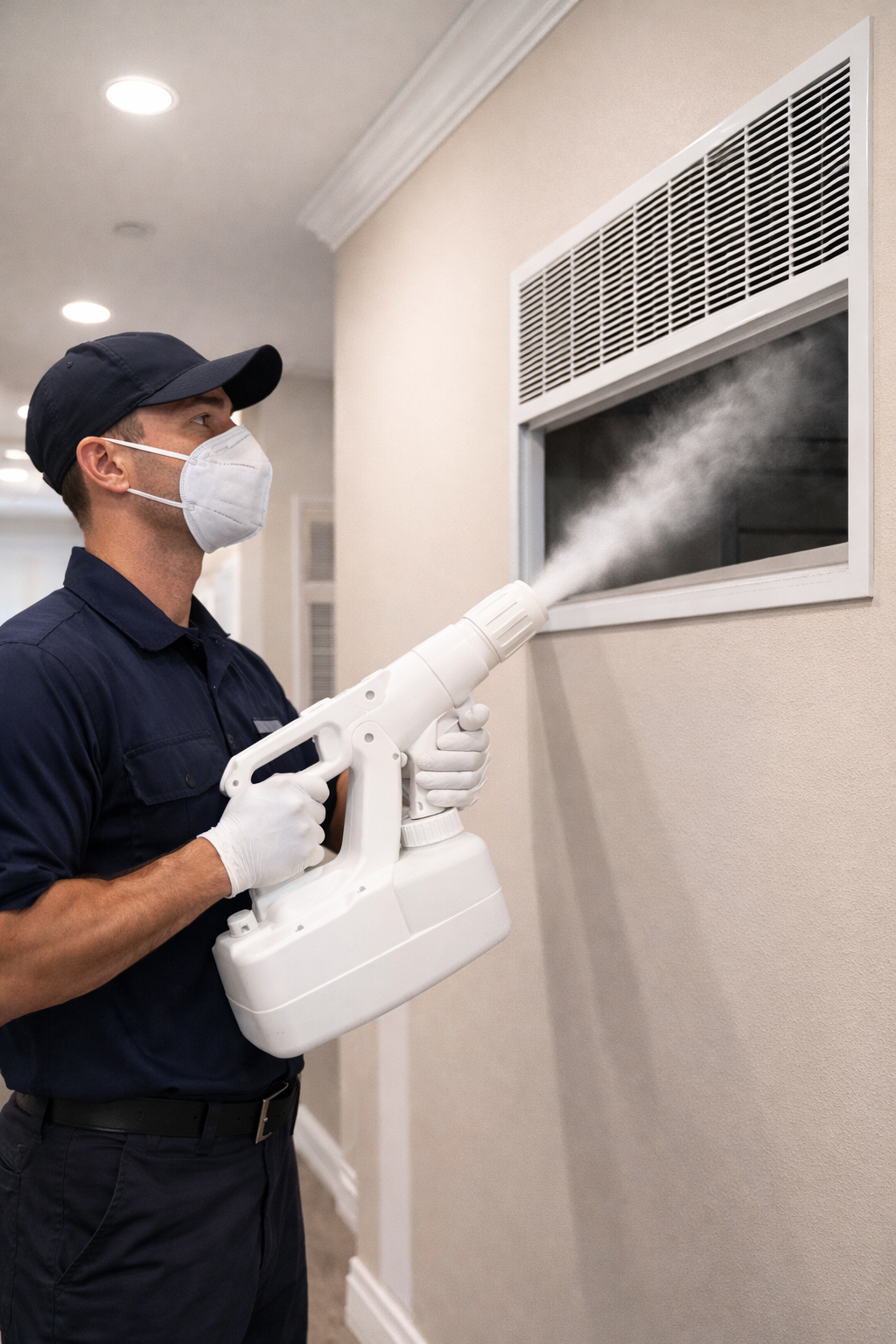
Decon7 (D7): A Targeted Tool for Indoor Air Quality
Decon7 (D7) is an EPA-registered disinfectant used to clean and treat HVAC system surfaces, ductwork (for deodorization), and drains where biological buildup actually lives. It’s a fast, targeted IAQ solution for maintaining a clean system - while whole-home treatments like Pure Maintenance are reserved for resetting the entire indoor environment when needed.
-
 Insulation & Envelope
Confessions from an HVAC Contractor: The Spray Foam Mistakes We See in Homeowners’ Attics
This article is from the HVAC contractor’s side - spray foam retrofits can be a dream or a disaster. When done right, they make your system’s job easier and your home more comfortable. When rushed, they leave you with a servicing nightmare, humidity issues, and a furnace that’s gasping for air. Here’s what we see - and how to avoid it.
-
 Insulation & Envelope
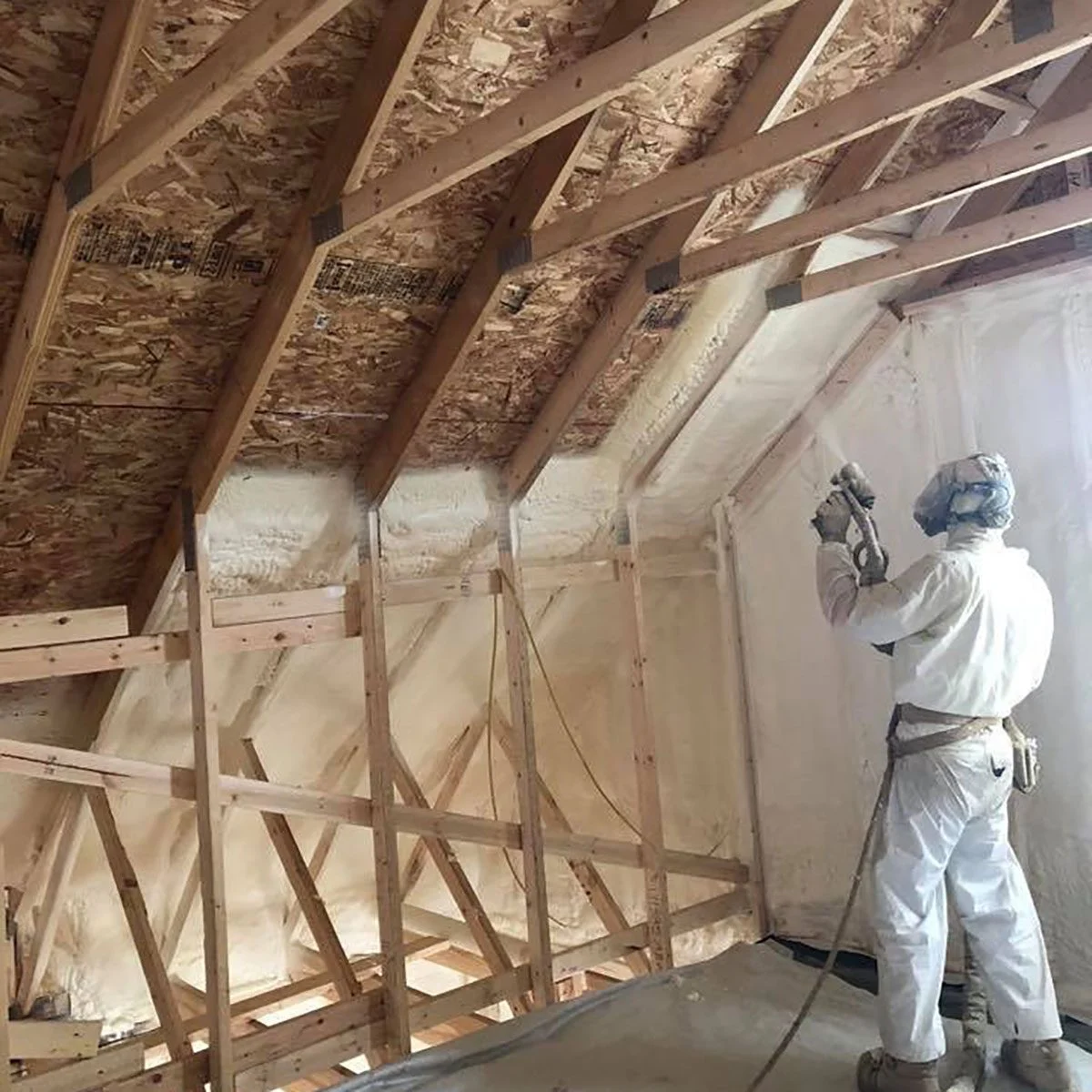
Spray Foam Insulation: Benefits, Drawbacks, and What to Consider Before You Install
Spray foam insulation can transform your home’s comfort and efficiency by sealing leaks and turning your attic into conditioned space. It delivers consistent temperatures and reduces HVAC strain, but also changes your home’s heat load, may require appliance upgrades, and demands careful moisture control.
-
 Air Conditioning
Why Designing a Zoned HVAC System is Complex for Central Texas Homes
This article explains that designing a zoned HVAC system for Central Texas homes is highly complex because it requires precise management of airflow and static pressure, the use of advanced multi-stage or inverter HVAC units, and significant physical space for ductwork modifications.
-
 Air Conditioning
What is a Zoned HVAC System? Custom Comfort for Your Central Texas Home
This article explains that a zoned HVAC system allows Central Texas homeowners to achieve customized comfort and energy efficiency by dividing their house into distinct areas, each controlled by its own thermostat that directs airflow using motorized dampers within the ductwork of a single, central HVAC unit.
-
 Ductwork & Air Flow
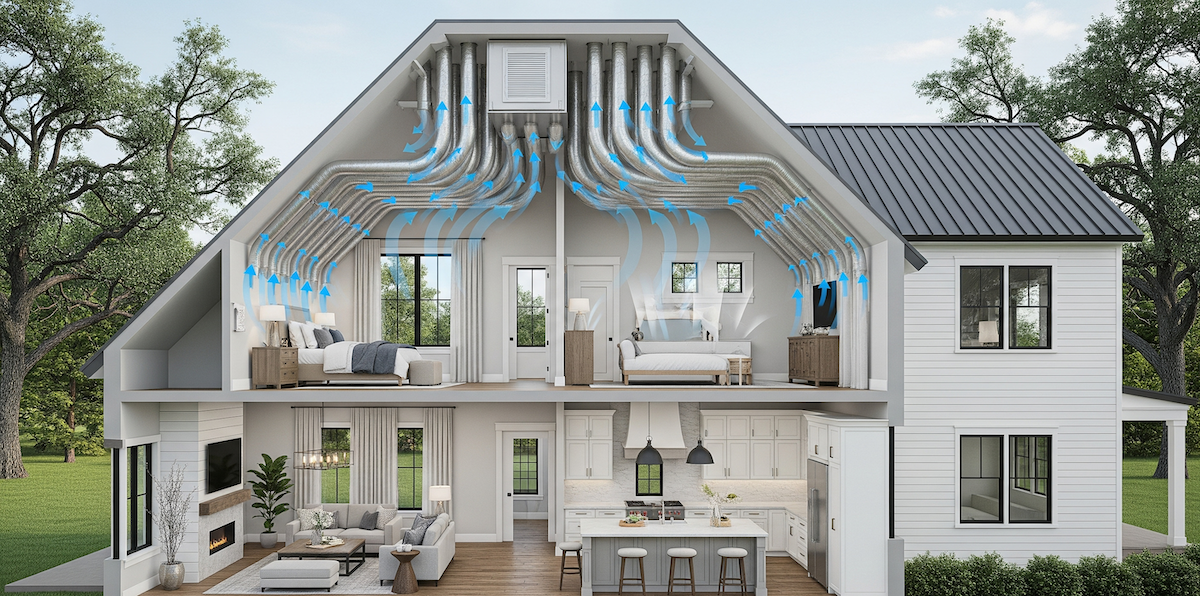
Understanding Your Home's Duct System: The Key to Efficient Heating and Cooling in Central Texas
This article breaks down the essential components of a home's duct system—including plenums, ducts, and registers—to explain why their proper design, materials, and installation are crucial for efficient heating and cooling, comfort, and good air quality in Central Texas.
-
 Ductwork & Air Flow
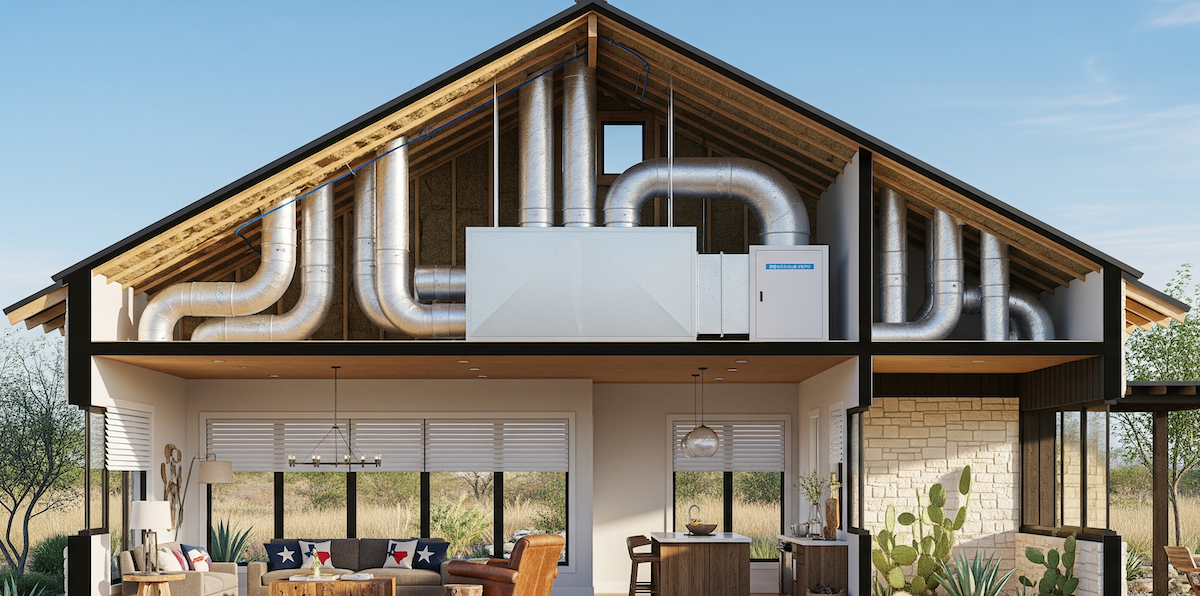
What is a Duct System (and Why Plenum Size Matters Most) for Your Central Texas Home
This article explains that for Central Texas homeowners, the return and supply plenums are the most critical parts of a duct system, as their proper sizing is essential for maintaining efficient airflow, optimal static pressure, and overall HVAC performance.
-
 Insulation & Envelope
The Importance of Professional Insulation Installation for Your Central Texas Home
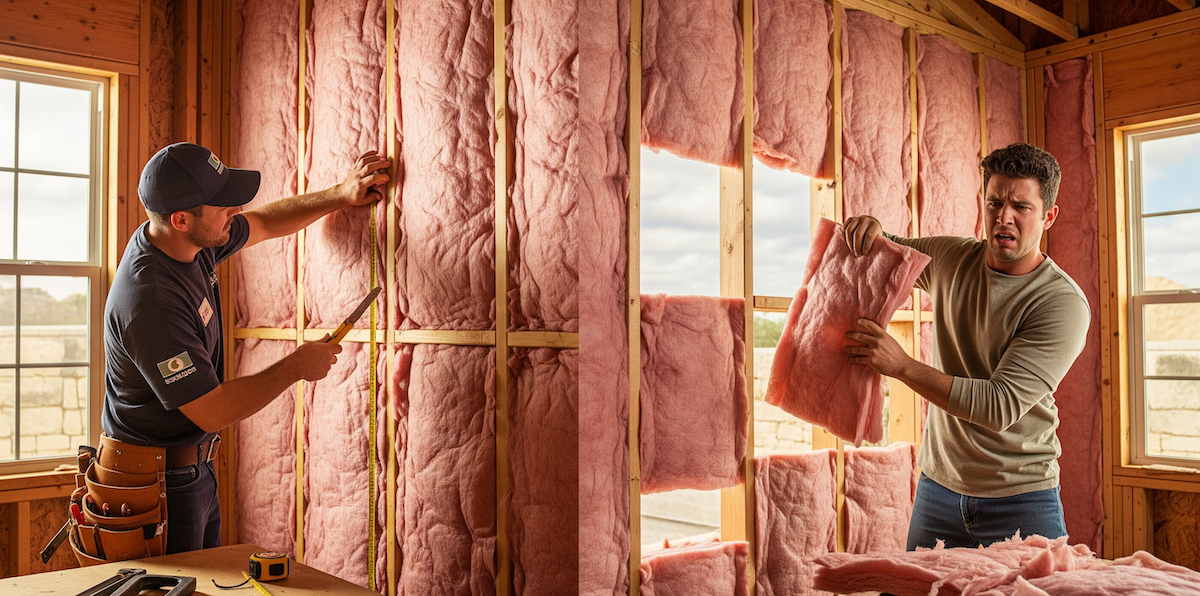
This article explains that for Central Texas homeowners, professional insulation installation is non-negotiable because it ensures correct material selection, proper air sealing, and adherence to building codes, which are all essential for maximizing energy efficiency, comfort, and home health.