

Quick answer: Refrigerant is the fluid that carries heat out of your home in an AC or heat pump. R-22 production ended in the U.S. in 2020, R-410A is being phased down under the federal AIM Act, and new systems use lower-GWP R-454B or R-32. A working system doesn’t need replacing because of its refrigerant, but the type matters when a big repair comes up.
If you’ve shopped for an air conditioner lately, or had an older one repaired, you’ve probably heard a technician toss around R-22, R-410A or “A2L.” It sounds like alphabet soup, but it matters: the refrigerant inside your system is changing because of federal environmental rules, and that affects repair bills, replacement decisions and which equipment you can buy. Here’s the plain-English version.
What is refrigerant, and what does it do?
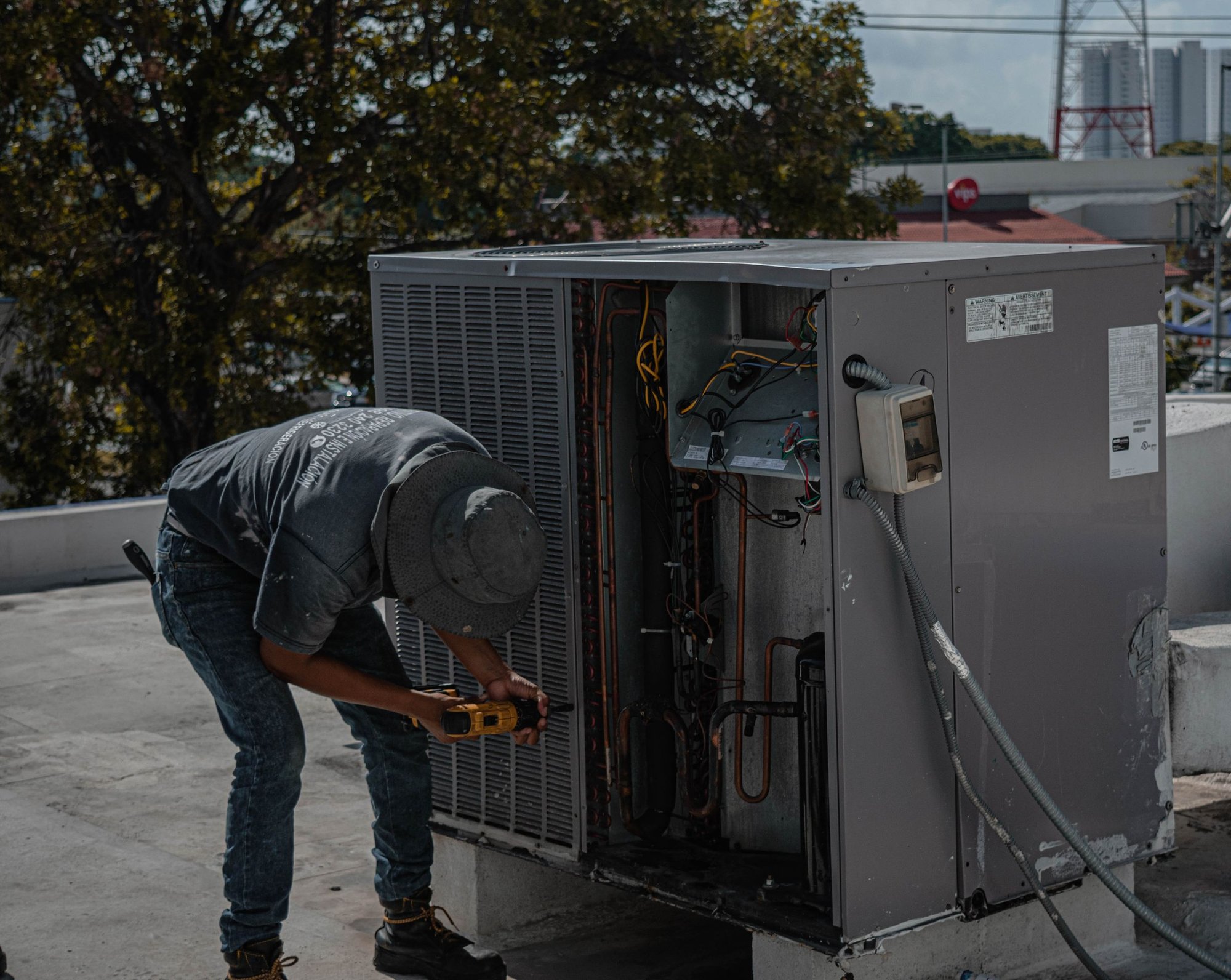
Refrigerant is the working fluid in every air conditioner and heat pump: it soaks up heat from your indoor air at the evaporator coil and dumps it outside at the condenser coil. That’s why the air blowing out of your outdoor unit in August feels like a hair dryer. It’s your house’s heat, being shipped out. In a heat pump, the process runs in reverse in winter to bring heat inside. No refrigerant, no cooling or heating.
What should every homeowner know about refrigerant?
- It moves heat. It provides cooling, and heating in heat pumps.
- It circulates in a sealed, closed loop. A healthy system doesn’t use it up, so it never needs a routine “top-off” like the oil in a car.
- If refrigerant is low, there’s a leak somewhere.
- Each system is designed for one specific refrigerant, and different refrigerants have different environmental and performance traits.
What types of refrigerant are used in home AC systems?
Most Austin-area homes have one of three, depending on when the system went in:
- R-22 (often called Freon): The old standard, found in many systems installed before about 2010. It damages the ozone layer, and U.S. production and import ended in 2020, so the only supply left is reclaimed or stockpiled refrigerant.
- R-410A: R-22’s replacement and the refrigerant in most systems installed over the past couple of decades. It doesn’t harm the ozone layer, but it has a high global warming potential (GWP), and it’s now being phased down under the federal AIM Act.
- R-454B and R-32: Newer, lower-GWP refrigerants used in new air conditioners and heat pumps to meet updated federal rules.
You can’t just swap one refrigerant for another in existing equipment. Each system is designed and rated for its own, and mixing them is a recipe for poor performance and a damaged compressor.
Why are refrigerants being phased out?
Because of their effect on the ozone layer and the climate. R-22 was phased out because it depletes ozone. Today’s rules focus on global warming potential, which is why R-410A is being phased down in favor of lower-GWP options. The American Innovation and Manufacturing (AIM) Act, passed in 2020, directs the EPA to cut production and use of high-GWP refrigerants over time.
How do the rules affect how refrigerant is handled?
- Older refrigerants like R-22 can deplete the ozone layer.
- Newer refrigerants have much lower global warming potential.
- Refrigerant has to be handled, recovered and recycled by certified technicians, and it’s illegal to intentionally vent it into the air.
- Finding and fixing leaks is good for the environment and for your system’s performance.
Are the new A2L refrigerants safe?
Yes, when installed correctly. R-454B and R-32 are classified as A2L refrigerants, which means low toxicity and mild flammability. They’re much harder to ignite than fuels like propane, and equipment built for them includes safety features, such as leak detection sensors on many indoor units. Installers follow updated safety codes and manufacturer requirements, which is one more reason to hire a trained, licensed contractor rather than your cousin’s buddy with a set of gauges.
What does the refrigerant change mean for your home?
It depends on what’s in your system now. The label on the outdoor unit lists the refrigerant type, and any technician can read it for you.
What if your AC uses R-22?
If it’s still running well, keep using it. But if it springs a leak or needs a major repair, recharging with R-22 can be expensive and hard to arrange because supply is limited. At that point replacement deserves serious thought, especially since a system that old is probably far less efficient than today’s equipment and has already survived fifteen-plus Central Texas summers.
What if your AC uses R-410A?
R-410A systems can still be serviced and repaired, and R-410A is expected to stay available for servicing existing equipment. There’s no reason to replace a working R-410A system just because of the phase-down. Supply may tighten over time, which could push repair costs up. If an older R-410A system needs a big repair, such as a compressor or coil replacement, weigh that repair against a new system.
What if you’re buying a new system?
New air conditioners and heat pumps use lower-GWP refrigerants like R-454B or R-32. When you compare quotes, ask which refrigerant each system uses and whether the contractor is trained to install it to current codes. You’ll also see efficiency listed as SEER2, the rating standard for new equipment since January 1, 2023.
How do you keep a refrigerant system healthy?
Keep it sealed and have it checked regularly. Leaks cut cooling capacity, raise energy bills and strain the compressor, which can shorten the system’s life, and only certified technicians should handle refrigerant work.
When a system is low, the right fix is to find and repair the leak, then charge the system correctly. Adding refrigerant without fixing the leak just postpones the problem, costs more over time and releases refrigerant into the air. If someone offers to “top you off” every summer, that’s a leak with a subscription.
What are the best maintenance habits?
- Schedule professional maintenance every year, ideally before cooling season.
- Have the technician check system pressures and performance on each visit.
- Watch for signs of a leak: weaker cooling, longer run times, ice on the refrigerant lines or a hissing sound.
- Hire certified HVAC professionals for all refrigerant service and repairs.
- Fix leaks promptly to protect efficiency and your compressor.
What’s next for refrigerants?
More change, in the same direction: lower environmental impact. Equipment is being redesigned around R-454B and R-32, and research continues into other options, including natural refrigerants like propane (R-290) and CO₂. You don’t need to track every development, but knowing the basics helps when you’re installing, repairing or upgrading a system.
The bottom line
Refrigerant is easy to forget until it affects a repair bill. Know which one your system uses: an R-22 system facing a major repair is often a good candidate for replacement, an R-410A system can still be serviced, and new systems use lower-GWP refrigerants installed to updated safety codes. If you’re not sure what’s in yours, a technician can tell you from the equipment label at your next visit.
If you have a heat pump, the same refrigerant questions apply to your heating; see our heating services. If an older R-22 system is due for replacement, you can build your system online to compare new options and see an estimate.
Related guides: Repair or Replace? Deciding What’s Best for Your HVAC System, Should You Replace Your AC to Get a SEER2 System? and The Future of HVAC: Innovations in Heating and Cooling.
About Gold Eagle Services: This guide comes from the team at Gold Eagle Services, a family-run Austin HVAC, indoor air quality and mold remediation company founded in 2017. We’re licensed (TACLA119235 and RCO1783), insured and bonded, and we serve homes across the greater Austin area.
Need help with this in your home? Learn about our air conditioning repair and installation, or call 512-489-4653 to schedule a visit.