
Quick answer: The cost of a new heat pump in Austin depends mostly on the size your home needs, the efficiency tier (SEER2 and HSPF2), the compressor type, and how much of the air handler, ductwork and electrical needs updating. Rebates may offset part of it. To see real options, build a system online and confirm at an in-home visit.
Two neighbors on the same street can get very different heat pump quotes, and both can be fair. The difference is almost always in the house and the equipment, not the brand name on the box. Here’s what actually moves the number.
1. What size heat pump does your home really need?
The size that a load calculation (Manual J) says, not a rule of thumb. Heat pumps are sized in tons, and a proper calculation looks at your home’s square footage, insulation, windows, air leakage and orientation. A larger system costs more up front, and an oversized one can short-cycle and do a poor job of pulling humidity out of the air, which matters a lot during a sticky Austin summer. A proper calculation sometimes shows a home needs a smaller system than the one it has. We explain the process in Smart HVAC Design: Manual J, D & S Explained.
2. How do SEER2 and HSPF2 efficiency tiers affect cost?
Higher-efficiency tiers cost more to buy and less to run. Since January 1, 2023, heat pumps have been rated in SEER2 for cooling and HSPF2 for heating. These use a tougher test, so the numbers read a bit lower than the old SEER and HSPF ratings for the same equipment. A Central Texas heat pump cools for most of the year and heats in winter, so both ratings matter here. See What Do SEER and SEER2 Mean, and Why Do They Matter?.
3. Single-stage, two-stage or variable-speed: what’s the difference?
How many speeds the compressor has, and that changes both comfort and price. A single-stage heat pump runs flat out whenever it runs. Two-stage and variable-speed (inverter) systems can run at lower output for longer, which usually means steadier temperatures, better humidity control and less reliance on heat strips in cold weather. They cost more up front. For many Austin homes, the right choice comes down to comfort priorities and how long you plan to stay.
4. Do you need to replace the whole system at once?
Usually, yes. The outdoor unit and the indoor coil or air handler are designed to work together. Under the federal AIM Act, R-410A refrigerant is being phased down, and new systems use lower-GWP refrigerants such as R-454B or R-32. In most cases that means a new outdoor unit needs a matching indoor coil or air handler designed for the same refrigerant, so swapping only half of an older system usually isn’t practical. Refrigerants: What You Need to Know About Modern HVAC Cooling explains the change.
5. How does ductwork condition change the job?
New equipment can only deliver the air your ducts can carry. In many Austin homes the ducts run through an attic that can hit 130°F in August, and they may be leaky, crushed, poorly insulated or undersized. Some replacements need only minor sealing and repairs; others need sections replaced or redesigned. Understanding Your Home’s Duct System covers what we look for.
6. Does it matter where the indoor unit lives?
Yes, mostly for labor. Attic air handlers are common in Central Texas, and tight attic access, platforms, secondary drain pans, condensate lines and safe walkways all factor in. Carrying equipment up a pull-down ladder in the heat is its own project. A closet or garage installation is usually simpler.
7. What about electrical and backup heat?
Heat pumps in our area usually include electric heat strips for backup, and the strip size, the breakers that serve them and your panel’s capacity all factor in. Homes switching from a gas furnace to an all-electric heat pump may need electrical upgrades. A dual fuel system that keeps the gas furnace as backup can avoid some of that.
8. Which add-ons are worth doing at the same time?
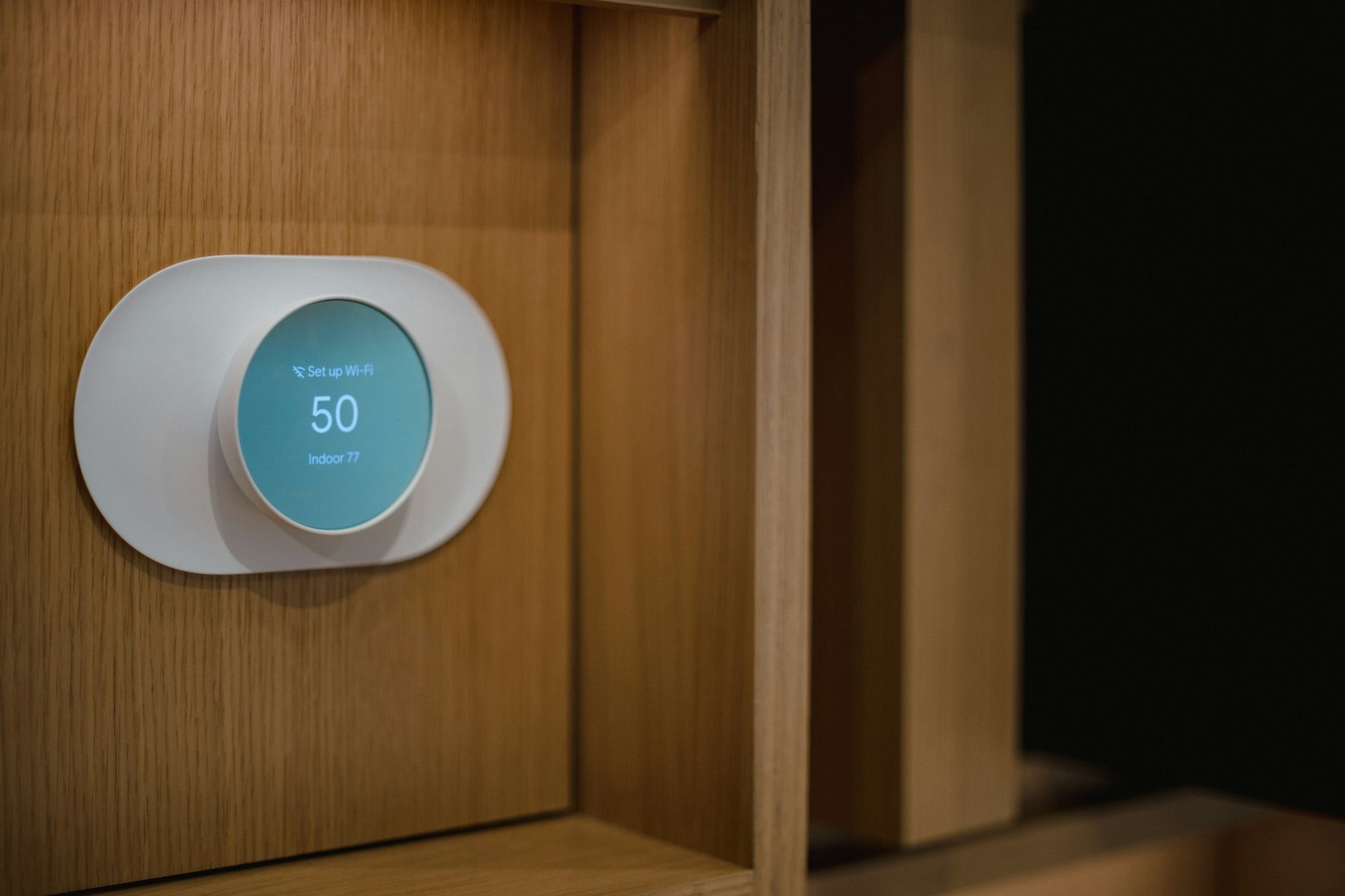
The ones you’d want anyway, since they’re often easiest to install during a replacement. A heat pump-compatible thermostat, a whole-home dehumidifier, better filtration or air cleaning and duct sealing all add to the project.
Are there rebates or tax credits for a heat pump in Austin?
Austin Energy offers rebates on qualifying heat pumps; the federal tax credit is gone. Austin Energy’s requirements include installation by a participating contractor and sizing documentation, and program terms change, so check Austin Energy’s official rebate pages before you buy. The federal Energy Efficient Home Improvement Credit (Section 25C) ended after 2025, so it isn’t available for equipment placed in service after December 31, 2025. Our 2026 guide covers the details: Austin Energy Rebates and Tax Credits for HVAC Upgrades (2026 Guide).
If you’d rather spread the cost out, see our financing options.
Is it worth replacing a 15-year-old heat pump?
It’s at least worth comparing. Age alone doesn’t decide it, but an older system that needs a major repair, uses R-22 refrigerant, or leans hard on heat strips every winter is a strong candidate. Repair or Replace? Deciding What’s Best for Your HVAC System and How Long Does an AC Last in Central Texas? walk through the decision.
How can you see what your home’s options look like?
See the options for your home: Build Your System lets you choose a heat pump, dual fuel or gas furnace setup, pick an efficiency tier and add-ons, and see an estimate for that exact build in a few minutes. Our local team reviews every build, and the final price is confirmed at an in-home visit where we check sizing, ductwork and electrical.
Frequently asked questions
How much does a new heat pump cost in Austin?
It varies widely with the factors above, so a single number wouldn’t tell you much. Build Your System gives you an estimate for the specific system you choose, and we confirm the final price after seeing your home.
Is a heat pump more expensive than an AC and furnace?
It depends on the equipment tiers and your home. A heat pump replaces the outdoor AC unit and handles both heating and cooling, so many Austin homeowners compare a heat pump system against a new AC plus gas furnace, or a dual fuel setup that combines both.
Does Austin Energy give heat pump rebates?
Austin Energy has offered rebates on qualifying heat pumps installed by participating contractors. Confirm current amounts and requirements on Austin Energy’s website before you buy.
Can I still get the federal heat pump tax credit?
No. The Section 25C credit ended after 2025 and is not available for equipment placed in service after December 31, 2025.
The bottom line
The price of a new heat pump comes down to size, efficiency, compressor type, the condition of your ducts and electrical, and where the equipment sits in your home. Start by comparing options online, then let a proper load calculation and in-home check confirm the right system.
Related guides: Austin Energy Rebates and Tax Credits for HVAC Upgrades (2026 Guide), Smart HVAC Design: Manual J, D & S Explained, What Do SEER and SEER2 Mean, and Why Do They Matter? and Repair or Replace? Deciding What’s Best for Your HVAC System.
About Gold Eagle Services: This guide comes from the team at Gold Eagle Services, a family-run Austin HVAC, indoor air quality and mold remediation company founded in 2017. We’re licensed (TACLA119235 and RCO1783), insured and bonded, and we serve homes across the greater Austin area.
Need help with this in your home? Learn about our heat pump and furnace installation, or call 512-489-4653 to schedule a visit.