
Quick answer: The main types of home HVAC systems are central split systems (an air conditioner or heat pump paired with a furnace or air handler), ductless mini-splits, heat pumps, dual-fuel hybrid systems and packaged units. Each comes in single-stage, two-stage or variable-speed versions, and the best choice depends on your home, your ductwork and your climate.
Most people think of heating and cooling as a thermostat number. But your HVAC (heating, ventilation and air conditioning) system does a lot more than that: it shapes humidity, indoor air quality, energy use and how comfortable the house feels. In Central Texas, where summer is long, hot and sticky, a big part of choosing a system is how well it handles moisture, not just how cold it blows.
Why does your HVAC system matter for indoor air?
Because it moves all the air in your house, over and over. The EPA notes that levels of some pollutants can be two to five times higher indoors than outdoors. Dust, pollen, pet dander, moisture and residues from household products all circulate through your living space. A well-designed, well-maintained system helps filter that air and keep humidity in check. A neglected one can recirculate dust and debris, and a dirty coil or clogged drain can create the kind of moisture problems that lead to musty odors or mold.
What is a central split system?
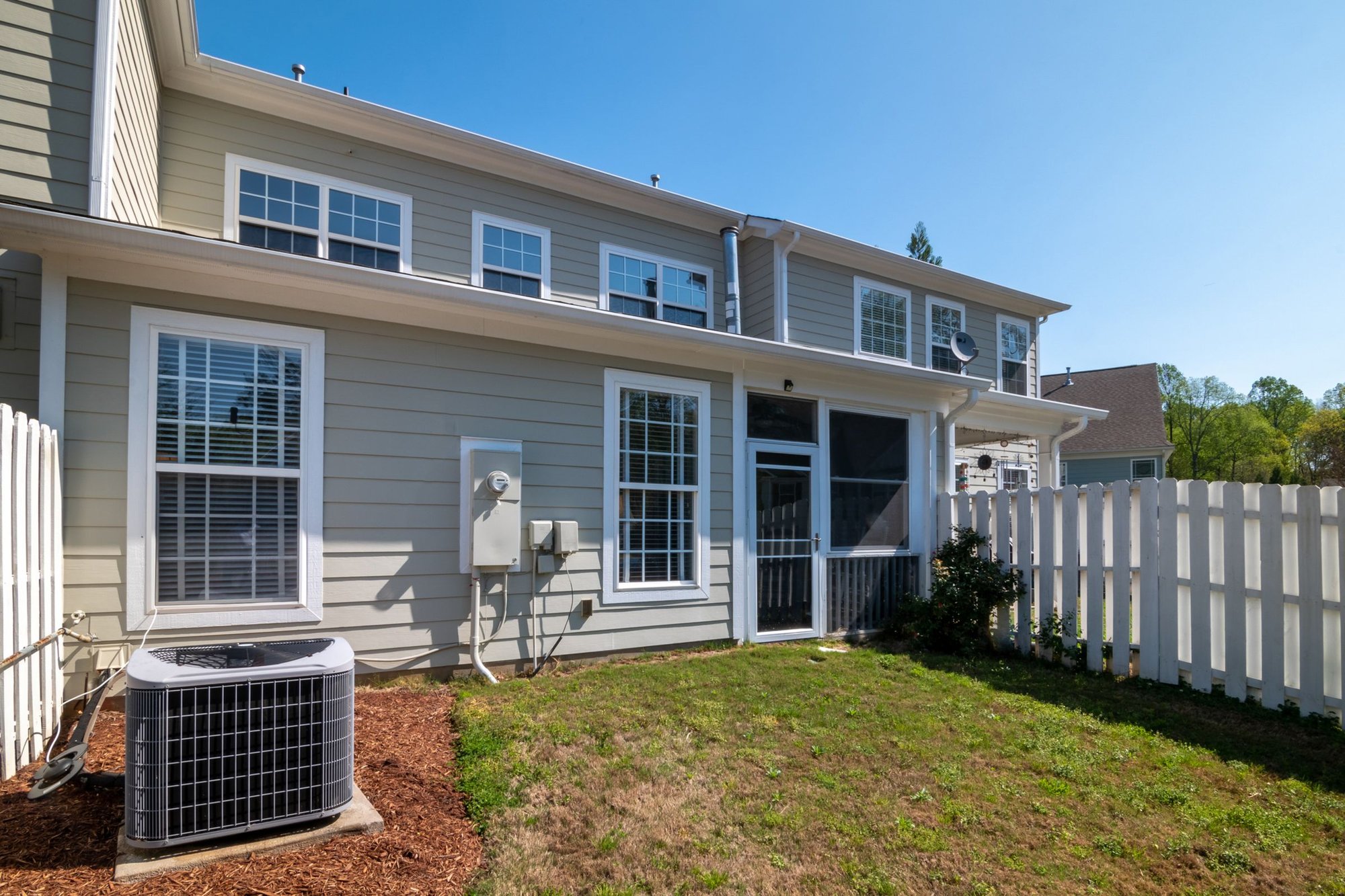
It’s the most common type of HVAC system in North America and in most Austin-area homes: an outdoor unit paired with an indoor unit, connected to ductwork. – How it works: An outdoor unit (an air conditioner or a heat pump) pairs with an indoor furnace or air handler. The air conditioner or heat pump does the cooling; heat comes from a furnace or from the heat pump itself. A blower pushes the conditioned air through ducts and vents, which in most Central Texas homes run through the attic. – Stages available: Central systems can be single-stage (fully on or off), two-stage (low and high settings for better efficiency) or variable-speed (constantly adjusting output for the steadiest comfort). – Comfort and air quality: Central systems give steady temperatures, but leaky or dirty ducts can pull in attic dust and spread it through the house. A good filter changed on schedule, sealed ductwork and solid humidity control all matter. In our climate, the humidity worry is too much moisture, not too little, and indoor humidity that stays high can encourage mold.
What is a ductless mini-split system?
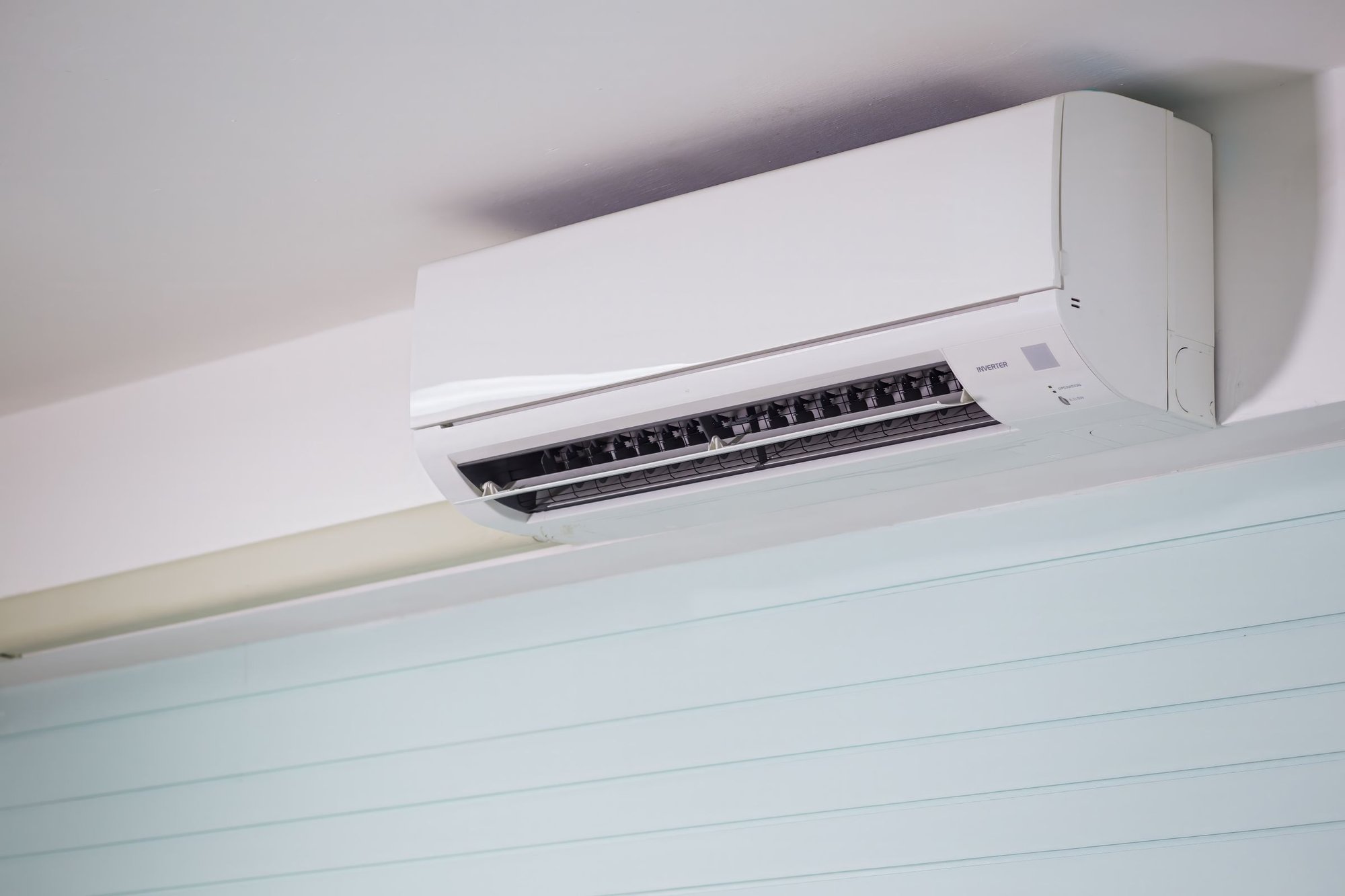
It’s a system that delivers heating and cooling straight to individual rooms without ducts. Mini-splits are increasingly popular in homes without ductwork, in additions and in rooms that need their own temperature control. – How it works: An outdoor unit connects to one or more indoor units mounted on walls or ceilings. Each indoor unit controls its own room or zone. – Stages available: Most ductless systems use variable-speed (inverter) compressors that adjust in real time to hold a steady temperature while saving energy. – Comfort and air quality: No ducts means no duct leakage, and everyone can set their own room the way they like it. Each indoor unit has its own filter that needs regular cleaning, and the coils and drain lines benefit from periodic professional cleaning.
How does a heat pump work?
A heat pump heats and cools your home by moving heat instead of making it. – How it works: In winter, a heat pump pulls warmth from the outdoor air (or from the ground, in geothermal systems) and brings it inside. In summer, it runs in reverse and moves heat out of your home, just like an air conditioner. – Stages available: Heat pumps come in single-stage, two-stage and variable-speed versions, and variable-speed models are generally the most efficient and the steadiest. – Comfort considerations: Heat pumps are a natural fit for Central Texas, where winters are mild. Most include electric backup heat strips for the occasional hard freeze. Longer, lower-speed run times on two-stage and variable-speed models also help pull moisture out of the air in summer.
What is a hybrid (dual-fuel) system?
It’s a heat pump paired with a gas furnace, with the system switching between them based on outdoor conditions. – How it works: In mild weather, the heat pump handles heating and cooling efficiently. When it gets very cold, the furnace takes over for stronger heat. – Stages available: Depending on the model, hybrid systems can be single-stage, two-stage or variable-speed. – Comfort considerations: Because the system uses whichever heat source makes more sense for the conditions, a hybrid can help manage energy costs while keeping the house comfortable during a cold snap.
What is a packaged HVAC system?
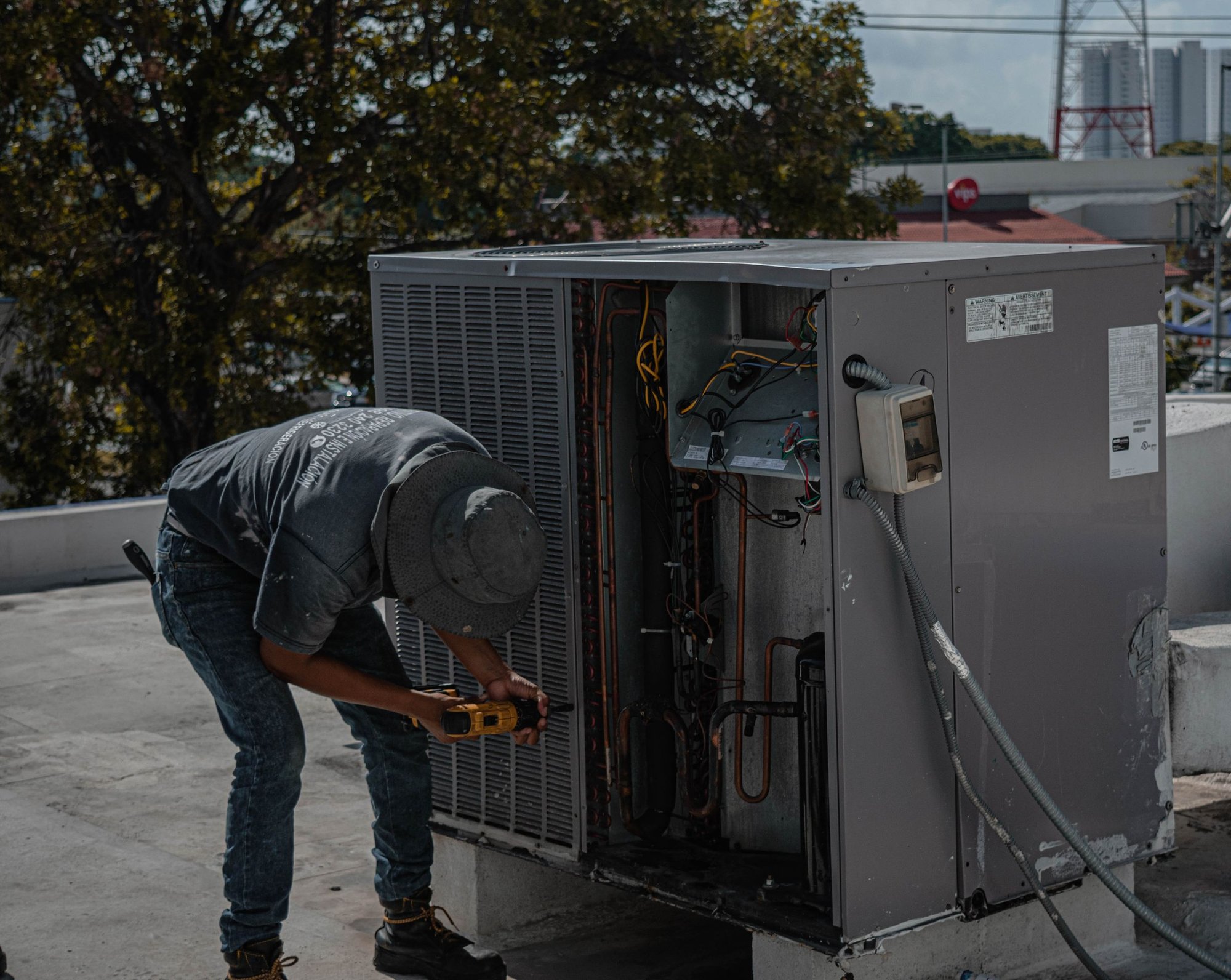
It’s a system with all the major parts (compressor, coils and blower, and sometimes a gas heat section) in one cabinet, usually outside on a pad or on the roof. – How it works: The outdoor unit conditions the air and sends it into the home through ducts. – Stages available: Packaged units come in single-stage, two-stage and variable-speed models, with variable-speed offering the best efficiency and comfort. – Comfort considerations: Since everything lives outdoors, keeping the cabinet sealed, the coils clean and the drain clear keeps outdoor debris and moisture from finding their way into the air that reaches your rooms.
How do you choose the right HVAC system for your home?
Start with how well it fits your house and climate, not the brand or the biggest number on the box. When you compare systems, ask: – Will it help keep indoor humidity in the 30-50% range the EPA recommends, even through our humid summers? – What filtration options does it support for dust and pollen? – Is it available in a two-stage or variable-speed model for better efficiency and steadier comfort? – What’s its SEER2 rating? Since January 1, 2023, new air conditioners and heat pumps are rated in SEER2, which uses a tougher test than the older SEER rating. – Will it run quietly enough for bedrooms and home offices? – Was it sized with a proper load calculation (Manual J) rather than a rule of thumb?
Which type of HVAC system is best?
There’s no single best type; the right one depends on your home’s layout, existing ductwork, budget and comfort priorities. For most Central Texas homes, a properly sized central system or heat pump is the starting point, with mini-splits filling in for additions and hard-to-cool rooms. A qualified HVAC professional can look at your home and walk you through the options that make sense for you.
For furnaces, heat pumps and dual fuel systems, see our heating repair and installation services. If you’re replacing a system, you can build your system online to compare furnace, heat pump and dual fuel setups and see an estimate.
Related guides: Exploring Different Types of Mini-Split Systems: Finding the Perfect Fit for Your Central Texas Home, Heat Pumps vs. Electric Resistance Heat for Central Texas Homes and How to Choose the Right HVAC System for Your Home.
About Gold Eagle Services: This guide comes from the team at Gold Eagle Services, a family-run Austin HVAC, indoor air quality and mold remediation company founded in 2017. We’re licensed (TACLA119235 and RCO1783), insured and bonded, and we serve homes across the greater Austin area.
Need help with this in your home? Learn about our air conditioning repair and installation, or call 512-489-4653 to schedule a visit.