

Quick answer: Mini-splits can work alongside your main HVAC system to fix hot or cold rooms, additions and hard-to-condition spaces. Each indoor unit has its own control, so you get targeted comfort without overworking your central system.
Why pair a mini-split with your main HVAC system?
Because most houses have at least one room that doesn’t play along. Plenty of Central Texas homeowners want even comfort from one end of the house to the other and instead get the bonus room that bakes every afternoon or the back bedroom that never warms up in a January cold snap. Mini-splits are flexible heating and cooling units that can work together with your main system to handle those spots. Knowing how they fit with your existing setup can help you get a more evenly comfortable, energy-efficient home.
What is a mini-split system?
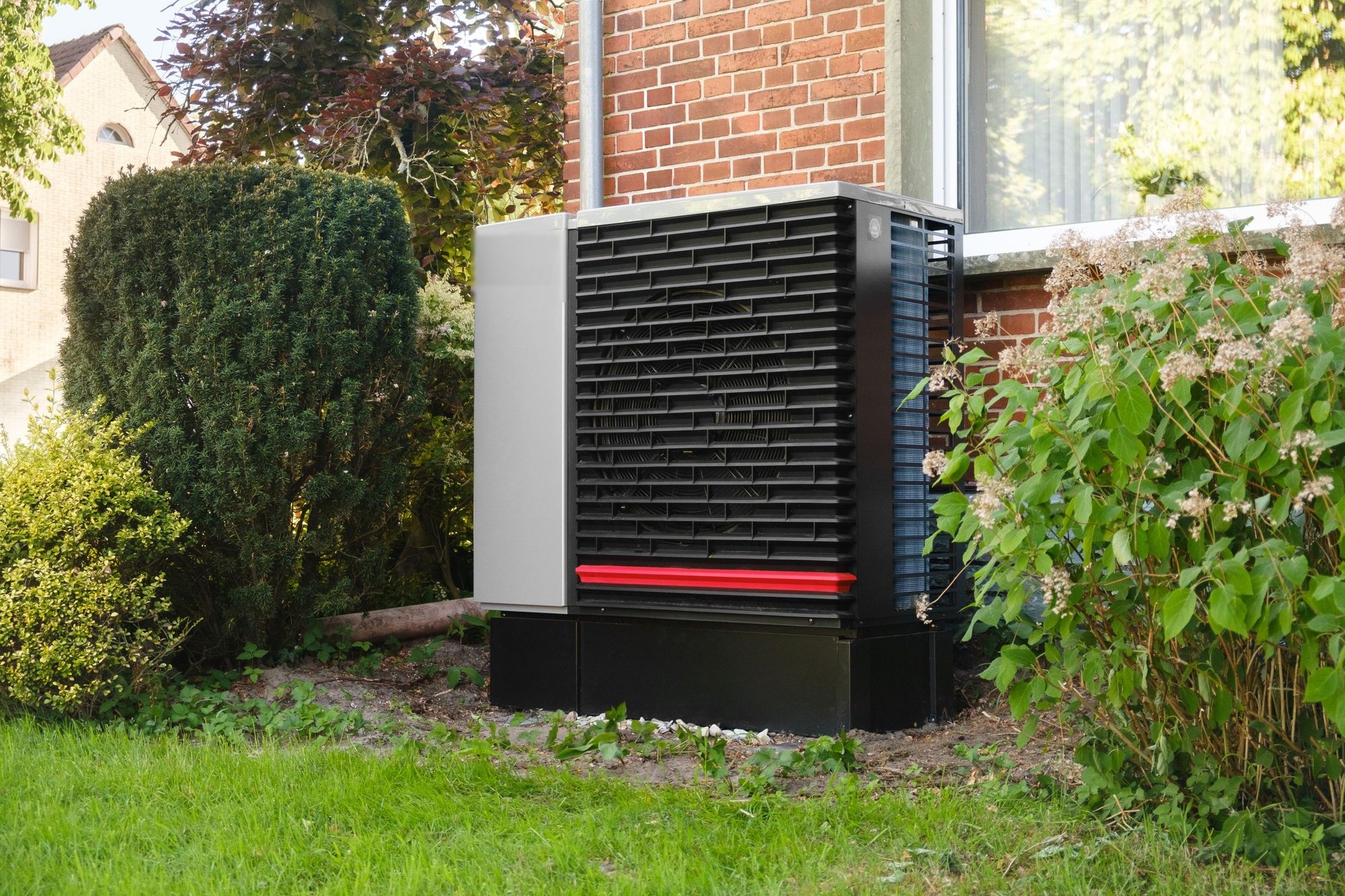
A mini-split is a two-part heating and cooling system: an outdoor unit (much like the outdoor part of your central AC) and one or more indoor air handling units. What sets it apart is that it heats and cools specific areas directly, without extensive ductwork. That “ductless” design makes it a good fit for rooms your main system struggles to reach, or spaces with their own temperature needs. The conditioned air goes straight into the room instead of traveling through a long run of ducts.
What are the benefits of adding mini-splits to a central system?
The short version: you fill the gaps instead of replacing what works. Mini-splits complement your central system rather than compete with it, and that flexibility is handy in Texas, where you can go from triple digits in August to a hard freeze a few months later.
1. Can a mini-split fix a room that’s always too hot or too cold?
Often, yes. Homes with more than one level, additions or lots of sun on one side commonly have uneven temperatures. For example:
- A sunny living room or west-facing bedroom can be stifling in the afternoon while the rest of the house stays cooler.
- A finished attic, garage conversion or man cave often runs noticeably warmer or cooler than the main floors, because the existing ductwork may not serve it well.
- Additions built without extending the main system’s ductwork can be hard to keep comfortable.
A mini-split in each of those spaces lets you control their temperature directly. You can set each one on its own without cranking the main thermostat up or down and throwing off the rest of the house.
2. Do mini-splits make your main HVAC system more efficient?
They can take load off it. In homes where certain areas always need extra heating or cooling, the central system ends up overworking to make up the difference across the whole house. A mini-split handles that extra load locally, where and when it’s needed. Less work for the main system can improve its efficiency and may help it last longer, with less wear and tear on the central unit.
3. Can mini-splits lower your energy bills?
They can, by letting you condition only the spaces you’re using. For example:
- If you spend most of the day in the living room and home office, you can keep those rooms comfortable while guest bedrooms or a formal dining room sit at a more moderate temperature.
- At night, you can keep the bedroom nice and cool for sleeping and ease off everywhere else.
Since you’re no longer paying to fully condition empty rooms, that targeted approach can trim your utility bills.
4. How flexible are mini-splits to install?
Very, compared with traditional ducted systems.
- No extensive ductwork needed: That makes them a good fit for older Central Texas homes without ducts, new additions, garage conversions and other spaces where adding ducts would be impractical, costly or disruptive.
- Several indoor unit styles: Indoor units can mount high on a wall, recess into the ceiling or hide as concealed ducted units, so it’s easy to find one that suits the room’s look and layout.
Is a mini-split a smart addition in Central Texas?
For many homes, yes. Adding mini-splits to your main system isn’t about choosing one over the other. It’s about covering the whole house with a plan that improves comfort and efficiency. With targeted heating and cooling, less strain on the central system and flexible installation, mini-splits can be a strong addition to almost any home in a climate as demanding as ours. If you’re tired of that one room everyone avoids in July, a mini-split may be the missing piece.
Related guides: Multi-Head Mini-Split Units: Versatile Comfort for Your Home, Why Mini-Splits Are a Good Alternative to Zoning and Exploring Different Types of Mini-Split Systems: Finding the Perfect Fit for Your Central Texas Home.
About Gold Eagle Services: This guide comes from the team at Gold Eagle Services, a family-run Austin HVAC, indoor air quality and mold remediation company founded in 2017. We’re licensed (TACLA119235 and RCO1783), insured and bonded, and we serve homes across the greater Austin area.
Need help with this in your home? Learn about our air conditioning repair and installation, or call 512-489-4653 to schedule a visit.