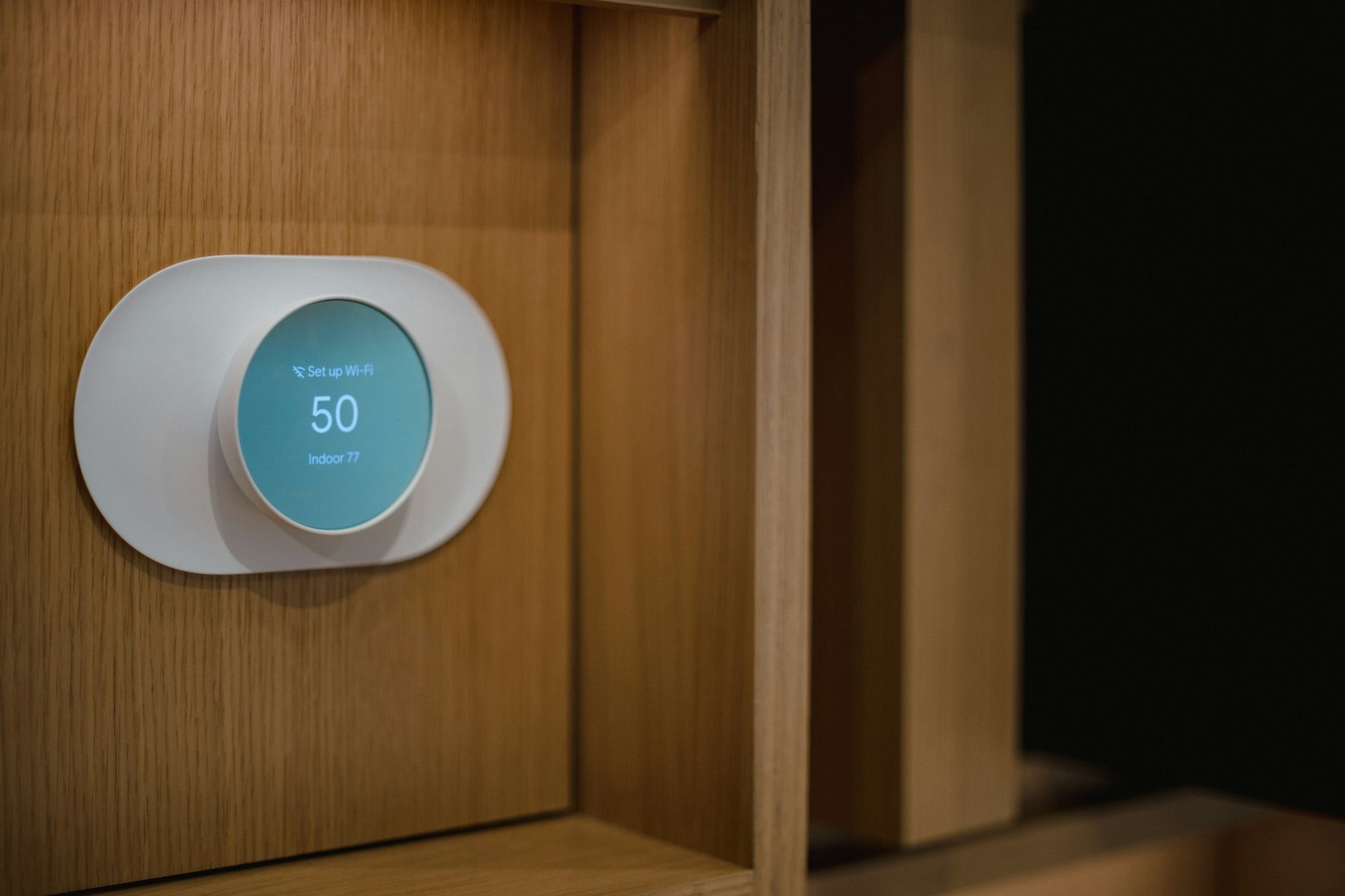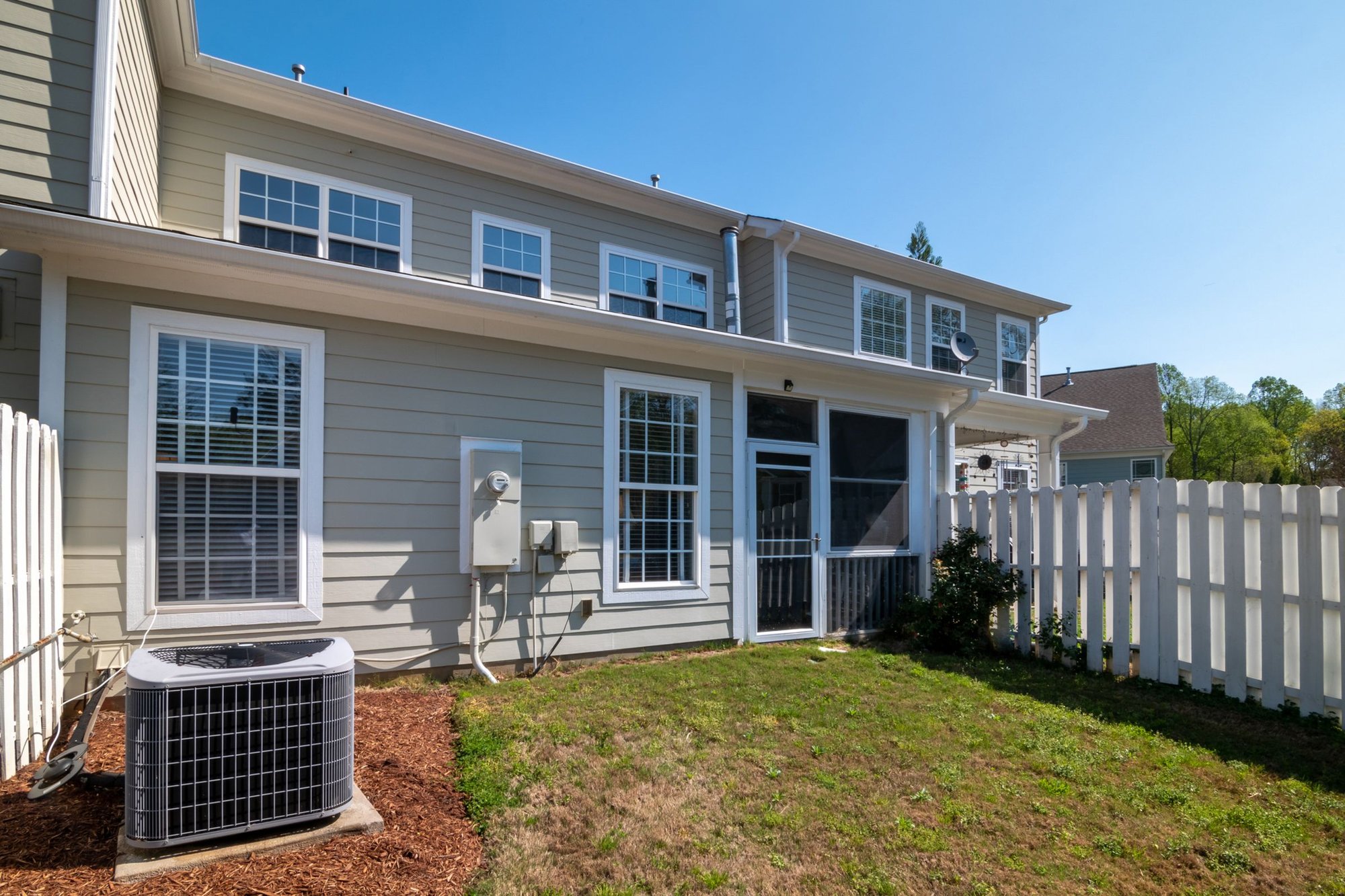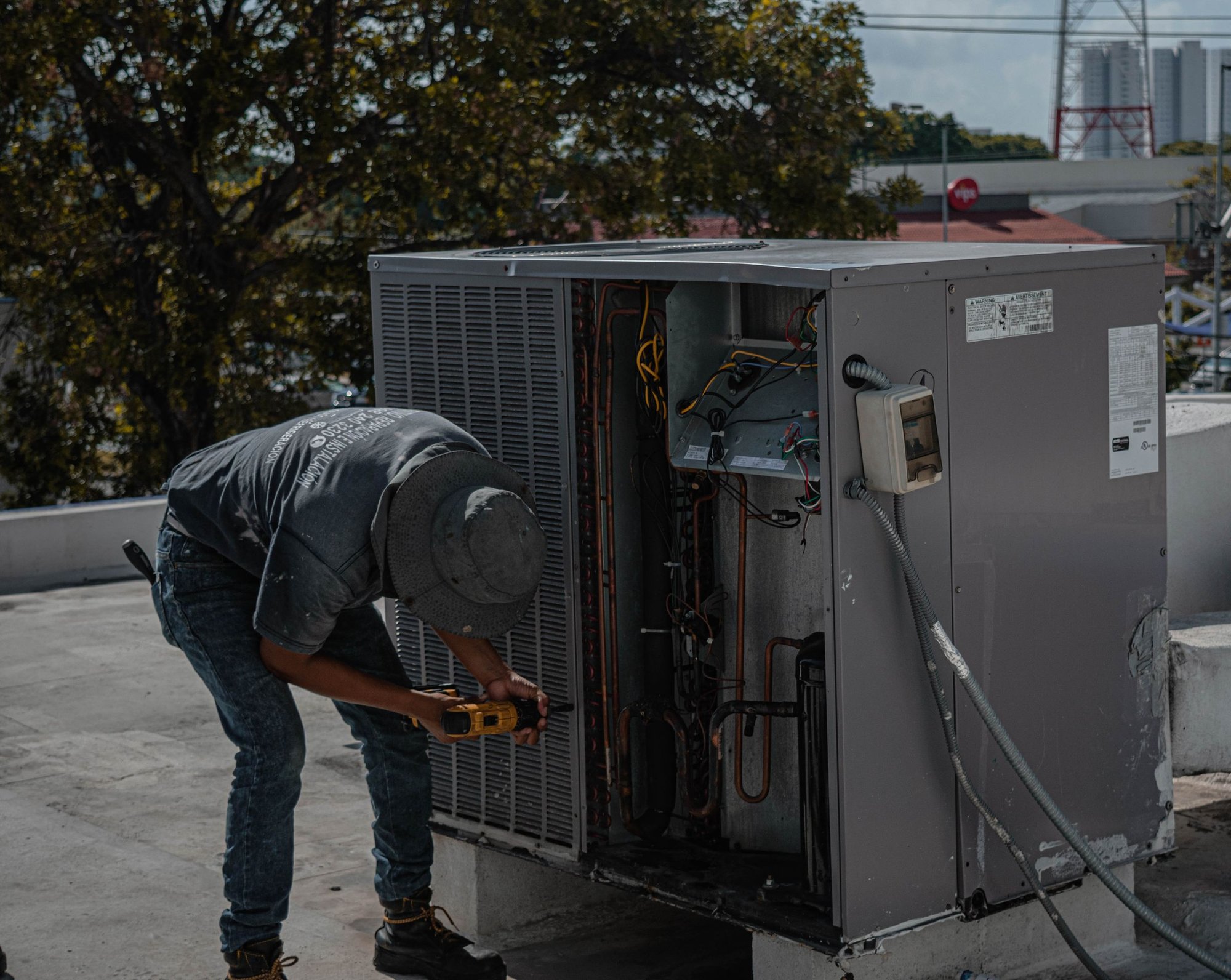


Quick answer: An energy-efficient HVAC system uses less electricity or fuel to keep your home comfortable, which can lower utility bills and improve humidity control. Cooling efficiency is rated in SEER2 (the standard for new equipment since January 1, 2023), and higher-efficiency systems often use two-stage or variable-speed technology for steadier comfort.
When it’s time to replace an air conditioner, heat pump or furnace, one of the biggest choices is how efficient the new system should be. Higher-efficiency equipment costs more upfront, so it’s fair to ask what you get for it. In Central Texas, where the AC runs from spring well into fall, efficiency shows up on your bill every month and in how the house feels. Here’s what to weigh.
Does an energy-efficient HVAC system lower your bills?
Yes, that’s the most noticeable benefit. A high-efficiency system uses less electricity or fuel to heat and cool the same space than an older, less efficient one. Three ratings tell you how efficient a system is: – SEER2: Cooling efficiency is measured by the Seasonal Energy Efficiency Ratio. Since January 1, 2023, new air conditioners and heat pumps are rated in SEER2, which uses a tougher test than the old SEER rating, so SEER2 numbers read a bit lower for the same equipment. The higher the SEER2, the more cooling you get for the energy you use, and many modern systems go well above the federal minimum. – HSPF2: Heat pump heating efficiency is measured by the Heating Seasonal Performance Factor (HSPF2 under the current standard). Higher is more efficient. – AFUE: Gas furnace efficiency is measured by Annual Fuel Utilization Efficiency. High-efficiency furnaces turn more than 90% of their fuel into usable heat, while many older furnaces waste considerably more.
The savings add up over time. How fast an efficient system pays back its higher upfront cost depends on your usage, your utility rates and the system you’re replacing. In a hot climate with a long cooling season, the savings tend to be bigger, because the system simply runs more hours.
Is an efficient system more comfortable?
Usually, yes. Efficiency isn’t only about money; the technology that saves energy also makes a home feel better. – Two-stage and variable-speed systems: A single-stage system is either off or at full blast. These systems can run at lower speeds for longer stretches, which means steadier temperatures, fewer hot and cold spots and smaller swings. – Better humidity control: Longer, slower run times give the system more time to pull moisture out of the air. That helps with the sticky, clammy feel of an Austin July, and keeping humidity in check also limits the damp conditions mold likes. – Quieter operation: High-efficiency models run smoothly at low speed, with less noise from constant starting and stopping.
Can an efficient system improve indoor air?
It can help, mostly through better filtration. Variable-speed blowers keep air moving more consistently, so air passes through the filter more often and it gets more chances to catch dust, pollen, pet dander and other particles.
Longer, gentler run times also pair well with add-on equipment like whole-home air cleaners, UV lights or whole-home dehumidifiers, which can further reduce airborne particles and control moisture. We’re not medical providers, so bring health questions to your doctor. What we can do is help you improve filtration and humidity control.
Is an energy-efficient system better for the environment?
Yes. Using less energy eases strain on the power grid during peak summer demand, which in Texas is no small thing, and it can lower the emissions tied to generating electricity. A high-efficiency system is one practical way to cut your household’s energy footprint.
Variable-speed heat pumps are an especially good fit for Central Texas. They cool efficiently through the long summer and handle most of our mild winter heating without burning fuel. Geothermal heat pumps are another highly efficient option for some homes.
Do high-efficiency systems last longer?
They’re designed to reduce needless wear. Two-stage and variable-speed systems spend most of their time at lower output, so they avoid much of the stop-and-start stress that single-stage models go through.
That gentler operation can help extend the life of compressors, motors and fans. Pair it with regular maintenance and proper installation, and an efficient system can run reliably for many years.
Are there rebates for energy-efficient HVAC systems?
Sometimes. Utilities and government programs have offered rebates for qualifying high-efficiency equipment, but these programs change often, so check what’s current and what the equipment must qualify for before you buy. The federal 25C tax credit for HVAC equipment ended after 2025. See our rebates page for what’s available now.
Efficiency can also appeal to buyers. A home with a newer, efficient system and lower operating costs may stand out when it’s time to sell.
Will a new efficient system mean fewer repairs?
Often. Older, inefficient systems are frequently near the end of their life and tend to need more repairs. A new system starts fresh with new components and comes with a manufacturer warranty; ask your installer for the details. You still need regular maintenance, but many homeowners find they deal with fewer surprise repairs after replacing an aging system.
Why does staging matter so much?
Staging decides how the system matches its output to the weather, and that drives both efficiency and comfort: – Single-stage systems: Run at full capacity or not at all, which typically uses more energy and can leave comfort uneven. – Two-stage systems: Have a low and a high setting and use the low stage most of the time for better efficiency. – Variable-speed systems: Adjust output in small steps and usually offer the highest SEER2 ratings, the quietest operation and the best humidity control.
The right choice depends on your budget, comfort preferences and climate. In a hot, humid place like Central Texas, many homeowners find two-stage and variable-speed systems a noticeable step up from single-stage.
The bottom line
An efficient HVAC system pays you back in comfort, humidity control and long-term operating costs, not just a lower bill. Lower utility costs, better filtration and steadier temperatures all come from the same upgrade.
Whichever design you pick, what matters most is a system that’s sized right for your home, installed correctly and maintained over time. An HVAC professional can help you compare SEER2 ratings, staging options and costs to find the right fit.
For efficient heat pumps and gas furnaces, see our heat pump and furnace installation services. To compare efficiency tiers for your home, you can build your system online and see an estimate for the options you pick.
Related guides: What Do SEER and SEER2 Mean, and Why Do They Matter?, Should You Replace Your AC to Get a SEER2 System? and Austin Energy Rebates and Tax Credits for HVAC Upgrades (2026 Guide).
About Gold Eagle Services: This guide comes from the team at Gold Eagle Services, a family-run Austin HVAC, indoor air quality and mold remediation company founded in 2017. We’re licensed (TACLA119235 and RCO1783), insured and bonded, and we serve homes across the greater Austin area.
Need help with this in your home? Learn about our air conditioning repair and installation, or call 512-489-4653 to schedule a visit.