

Quick answer: In 2026, Austin Energy customers can still get utility rebates for qualifying AC and heat pump replacements, duct sealing, attic insulation and smart thermostats; income-qualified homes may get free weatherization. The federal 25C tax credit ended for equipment placed in service after December 31, 2025. Confirm current terms with Austin Energy before you buy.
What HVAC rebates does Austin Energy offer in 2026?
Rebates for high-efficiency AC and heat pump replacements, two whole-home upgrade programs, smart thermostat rebates and free weatherization for qualifying households. Austin Energy keeps the current list on its residential rebates and incentives page. Here’s what it showed as of September 2026. The figures are the headline amounts Austin Energy listed at the time of writing; your actual rebate depends on the equipment, the tier it qualifies for and your home, and the numbers can change.
- Air conditioning and heat pump rebates. For replacing an older central AC, heat pump or ductless mini-split with qualifying high-efficiency equipment. Austin Energy described this as a rebate averaging $800, with amounts varying by equipment type and efficiency tier.
- Home Energy Savings. A whole-home program that bundles several upgrades, such as a new AC or heat pump, duct sealing, air sealing, attic insulation, solar screens and smart thermostats. Austin Energy advertised rebates averaging $3,000 and access to 0% financing through a credit union partner for qualifying projects.
- Home Energy Savings Essential. A smaller package focused on air infiltration and duct sealing plus attic insulation, advertised with rebates averaging $1,500.
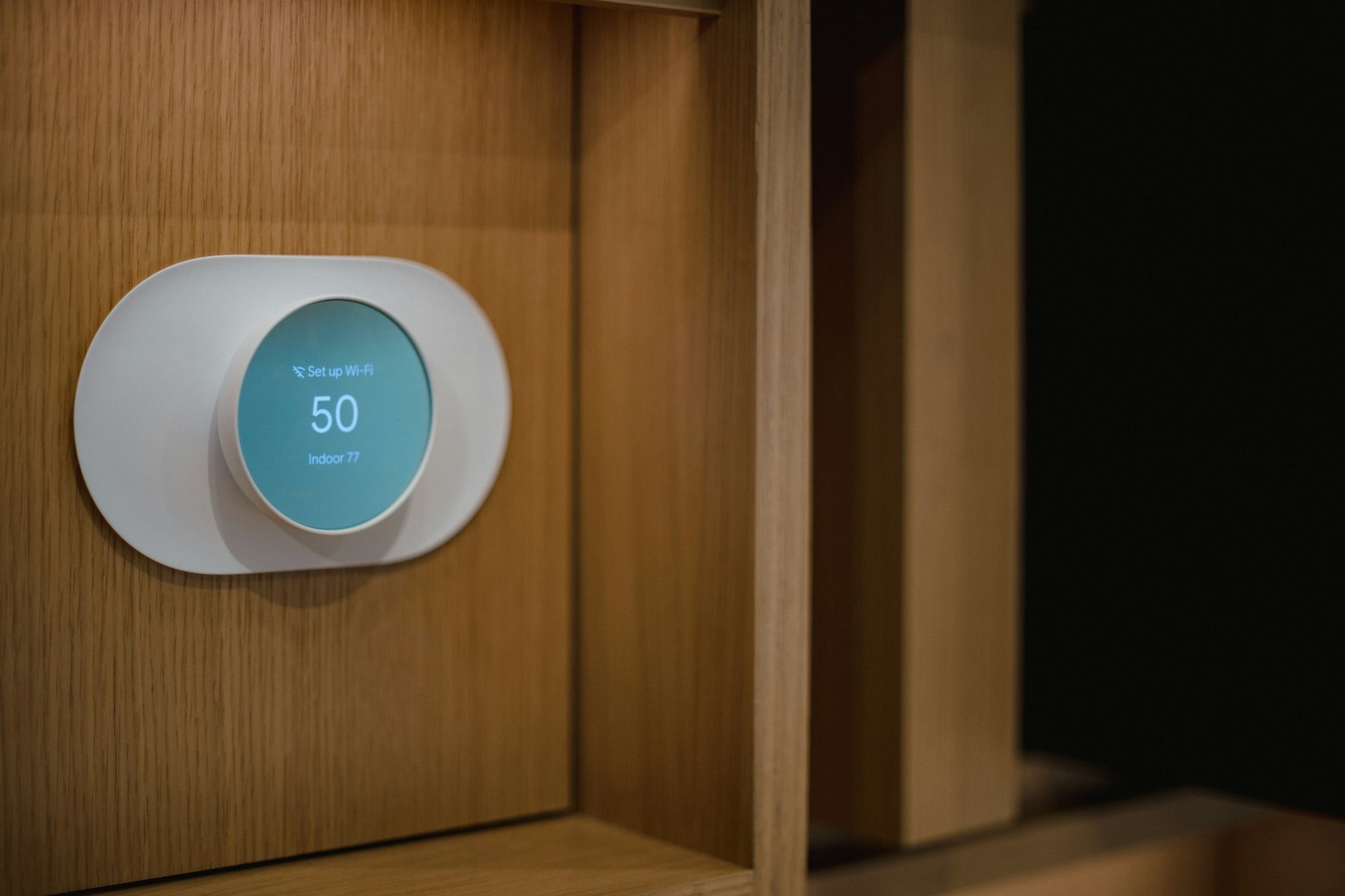
- Power Partner Thermostats. A rebate on qualifying smart thermostats, plus bill credits when you enroll the thermostat in Austin Energy’s demand response program.
- Weatherization Assistance. Free home energy improvements, such as attic insulation, duct repair and sealing, and AC inspection and cleaning, for eligible income-qualified renters and homeowners.
Austin Energy also offers rebates on some appliances, such as heat pump water heaters. The official page has the full, current list.
Who qualifies for Austin Energy HVAC rebates?
Austin Energy residential customers who replace qualifying equipment through a participating contractor, and meet each program’s fine print. At the time of writing, Austin Energy’s pages listed requirements like these for the air conditioning rebate:
- You must receive electric service from Austin Energy at residential rates.
- You must use an Austin Energy participating contractor, who submits the application for you.
- The home and the equipment being replaced generally need to be at least 10 years old, and the rebate is for replacements, not new construction.
- The new equipment must meet minimum SEER2, EER2 and (for heat pumps) HSPF2 ratings for its tier, and all components must be replaced together.
- The system must be sized using an approved ACCA Manual J method, City of Austin permits are required, and the installation is inspected afterward.
- The contractor must submit the application within a set window after installation.
- You generally can’t get a rebate for a measure that already received a rebate or loan in the past 10 years.
One detail worth catching early: Austin Energy’s AC page states that air conditioning systems with electric resistance heating elements do not qualify, so ask your contractor how that applies to the system you’re planning. The whole-home programs add their own conditions, such as a minimum number of qualifying upgrades and a no-cost energy assessment by a participating contractor.
If your electricity comes from someone else, such as an electric cooperative or another utility outside Austin Energy’s service area, these programs don’t apply. Check your own provider’s website for any current efficiency programs.
Is the federal HVAC tax credit still available in 2026?
No, not for new installations. The Energy Efficient Home Improvement Credit, often called the Section 25C credit, used to cover part of the cost of qualifying heat pumps, central air conditioners, insulation and other upgrades. Under the 2025 federal budget law commonly known as the One, Big, Beautiful Bill, the IRS states that the credit will not be allowed for any property placed in service after December 31, 2025.
Timing is about the install date, not the payment date. The IRS’s FAQs on the new law explain, for the closely related residential clean energy credit, that it’s based on when installation is completed. A deposit paid in 2025 doesn’t help if the system went in during 2026.
If qualifying equipment was installed and placed in service in 2025, you may be able to claim the credit on your 2025 tax return, subject to the IRS rules at the time, including product identification requirements. Talk to a tax professional about your situation; we’re HVAC people, and we can’t give tax advice.
Can you combine Austin Energy rebates with other savings?
Sometimes. Utility rebates can often be paired with manufacturer promotions or financing offers, but each program sets its own rules. Before you sign a contract:
- Ask your contractor which rebates the proposed system qualifies for, and at which tier.
- If you’re counting on Austin Energy rebates, confirm the contractor is an Austin Energy participating contractor.
- Ask who submits the paperwork and what documents you’ll need to provide.
- Get the equipment model numbers in writing so you can check them against the program requirements.
- Read the current terms on the official program page, since amounts and eligibility can change during the year.
How do you apply for an Austin Energy HVAC rebate?
For the AC and heat pump rebate and the whole-home programs, you mostly don’t: the participating contractor handles the application after the work is done. For the Weatherization Assistance Program, you apply directly to Austin Energy through its online form, and renters need landlord permission. For smart thermostat rebates and enrollment, follow the steps on the thermostat program page.
Gold Eagle Services can walk you through the general process and what’s typically needed, but final eligibility and rebate amounts are always up to the program. For our overview of local incentives, see our rebate information page.
The bottom line
The federal 25C tax credit is gone for systems installed in 2026, which makes local utility programs matter more. If you’re an Austin Energy customer, rebates for qualifying AC and heat pump replacements, duct sealing, attic insulation and smart thermostats are worth a look, and income-qualified households may get free weatherization help. Details change, so confirm current terms on Austin Energy’s official pages before you commit to a project.
Frequently asked questions
Does Austin Energy give rebates for heat pumps?
Yes. At the time of writing, Austin Energy’s air conditioning rebate covered qualifying air-source heat pumps and heat pump mini-splits, with amounts varying by efficiency tier. A participating contractor is required. Confirm current terms on the official page.
Can I get the federal tax credit for a heat pump installed in 2026?
No. The IRS says the Energy Efficient Home Improvement Credit is not allowed for property placed in service after December 31, 2025.
Do I need a specific contractor to get Austin Energy rebates?
For the AC, heat pump and whole-home programs, yes. Austin Energy requires one of its participating contractors, who does the work and submits the application.
Are there rebates for duct sealing and attic insulation?
Yes. Austin Energy’s Home Energy Savings and Home Energy Savings Essential programs have included rebates for duct sealing, air sealing and attic insulation, and its Weatherization Assistance Program provides these at no cost for eligible income-qualified households.
Heat pump upgrades are where many of these rebates come into play; learn about our heat pump installation services. To compare efficiency tiers before you call, you can build your system online and see an estimate, then ask us which current rebates may apply.
Related guides: Should You Replace Your AC to Get a SEER2 System?, The Benefits of an Energy-Efficient HVAC System and Can a Heat Pump Keep Up With a Texas Freeze?.
About Gold Eagle Services: This guide comes from the team at Gold Eagle Services, a family-run Austin HVAC, indoor air quality and mold remediation company founded in 2017. We’re licensed (TACLA119235 and RCO1783), insured and bonded, and we serve homes across the greater Austin area.
Need help with this in your home? Learn about our air conditioning repair and installation, or call 512-489-4653 to schedule a visit.