
Quick answer: An HVAC tune-up is a professional inspection, cleaning and adjustment of your heating and cooling system, usually covering the filter, coils, condensate drain, electrical parts, refrigerant charge, airflow and safety controls. In Central Texas, plan on an AC tune-up every spring and a heating check every fall; heat pumps work nearly year-round, so twice a year makes the most sense for them. Between visits, you can check the filter, keep the outdoor unit clear and watch for warning signs.
What is an HVAC tune-up?
A tune-up is preventive maintenance: a technician inspects the system, cleans the parts that collect dirt, tests the electrical components and controls, and looks for small problems before they turn into a dead AC on a Saturday in August. It isn’t a repair visit, though it often turns up something that needs one.
ENERGY STAR recommends a pre-season checkup by a contractor every year, and its maintenance checklist covers many of the same tasks below. Checklists vary by company and equipment, so ask what’s included before anyone shows up.
What’s on a spring AC tune-up checklist?
A spring visit gets your cooling system ready for a Central Texas summer, which is less a season than a five-month endurance event. Typical items:
- Check or replace the air filter and confirm it’s the right size and type for the system.
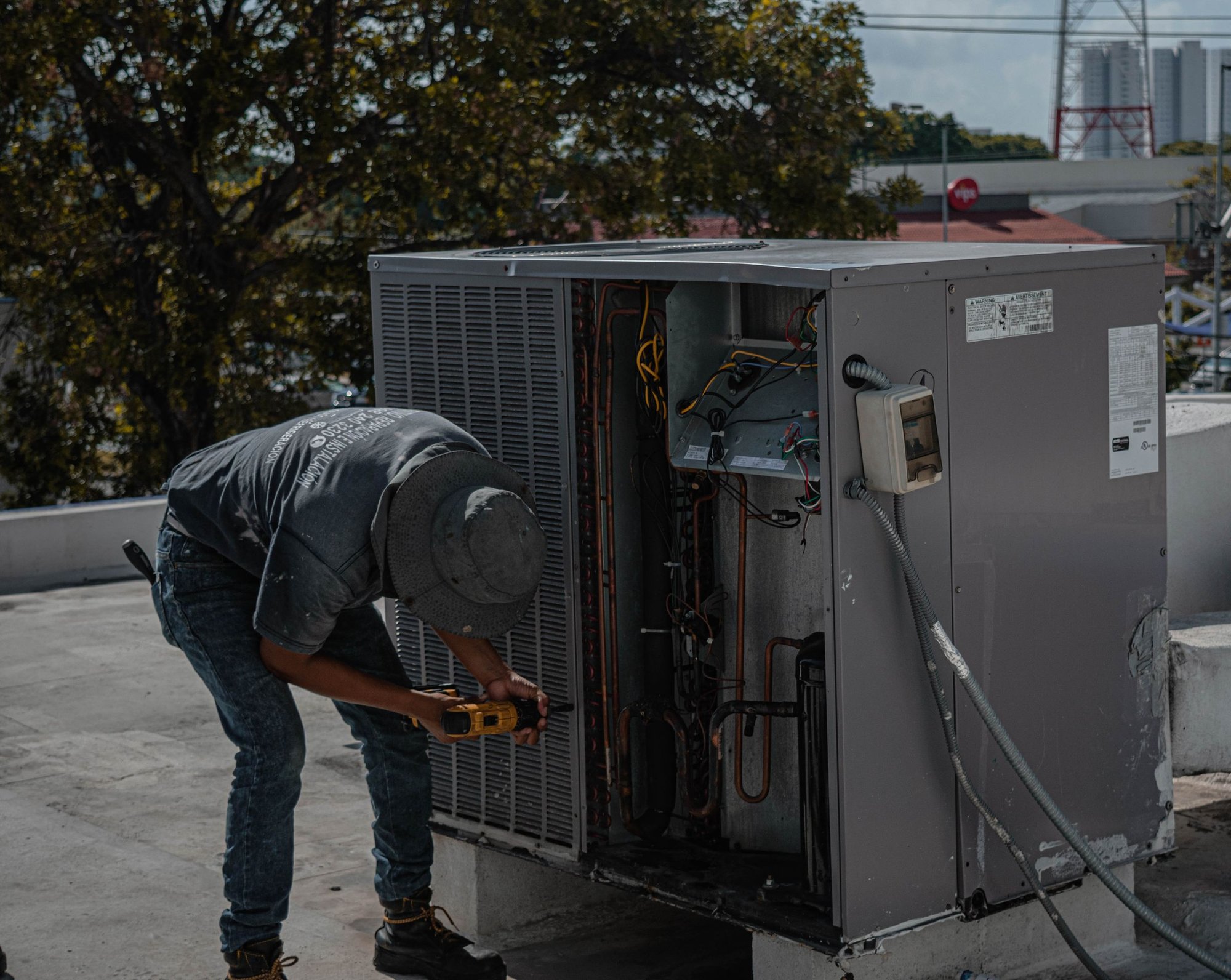
- Inspect and clean the outdoor condenser coil. That coil’s whole job is dumping your home’s heat outside, and cottonwood fluff, grass clippings and dust make it work harder.
- Inspect the indoor evaporator coil and clean it if needed. A dirty coil cools less and keeps the system running longer.
- Clear and test the condensate drain line, and check the drain pan and float switch. In a humid Austin summer your AC pulls gallons of water out of the air, and it all has to go somewhere other than your ceiling.
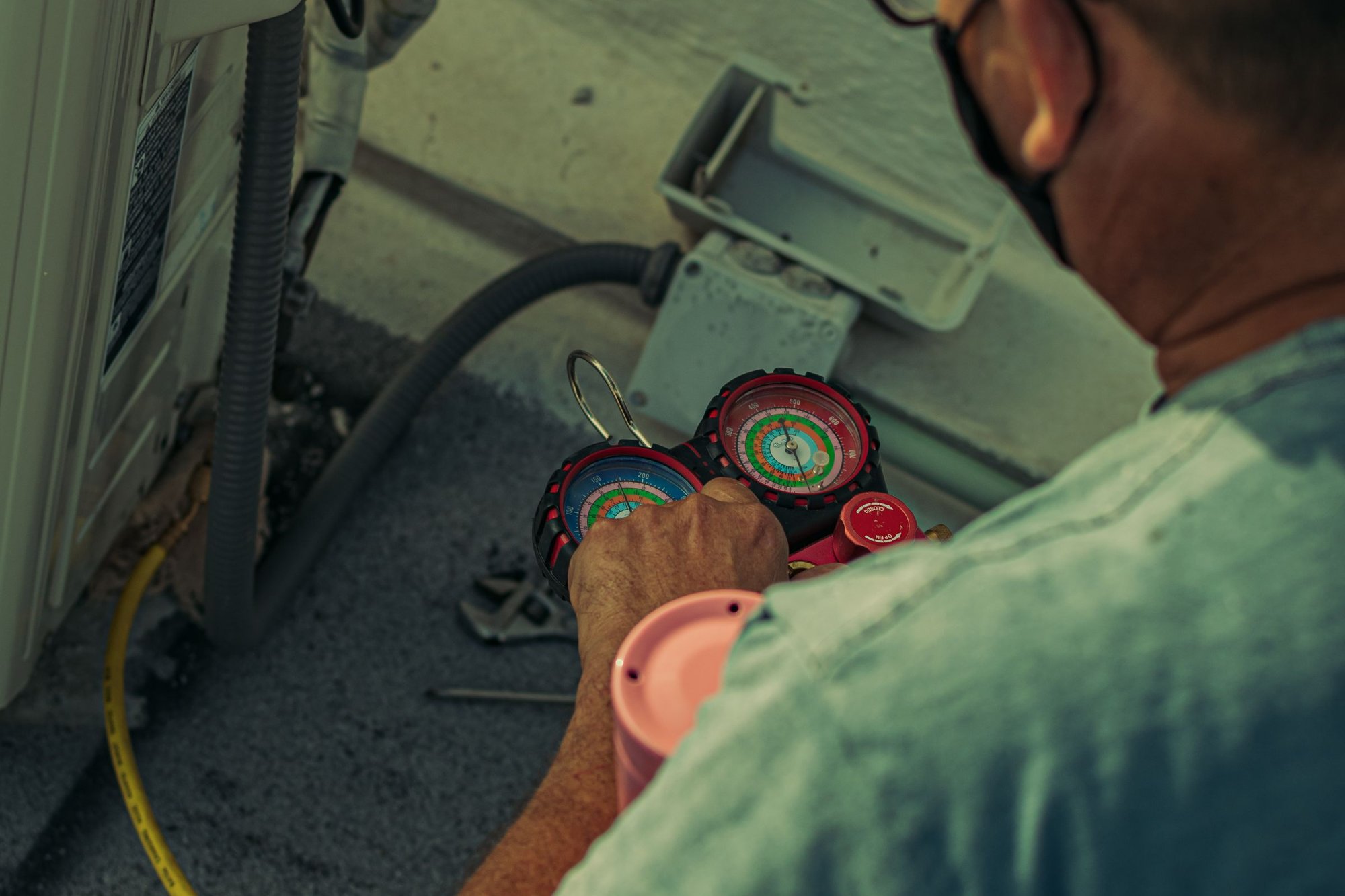
- Check refrigerant pressures and temperatures to confirm the system is running correctly. Low refrigerant means a leak, and the leak is what needs fixing.
- Test capacitors, contactors and electrical connections, and tighten loose wiring. Capacitors hate heat, and a weak one is one of the most common reasons an AC quits in July.
- Check the blower and outdoor fan motors, and lubricate parts where the equipment calls for it.
- Measure temperature split and airflow to see how well the system is actually cooling.
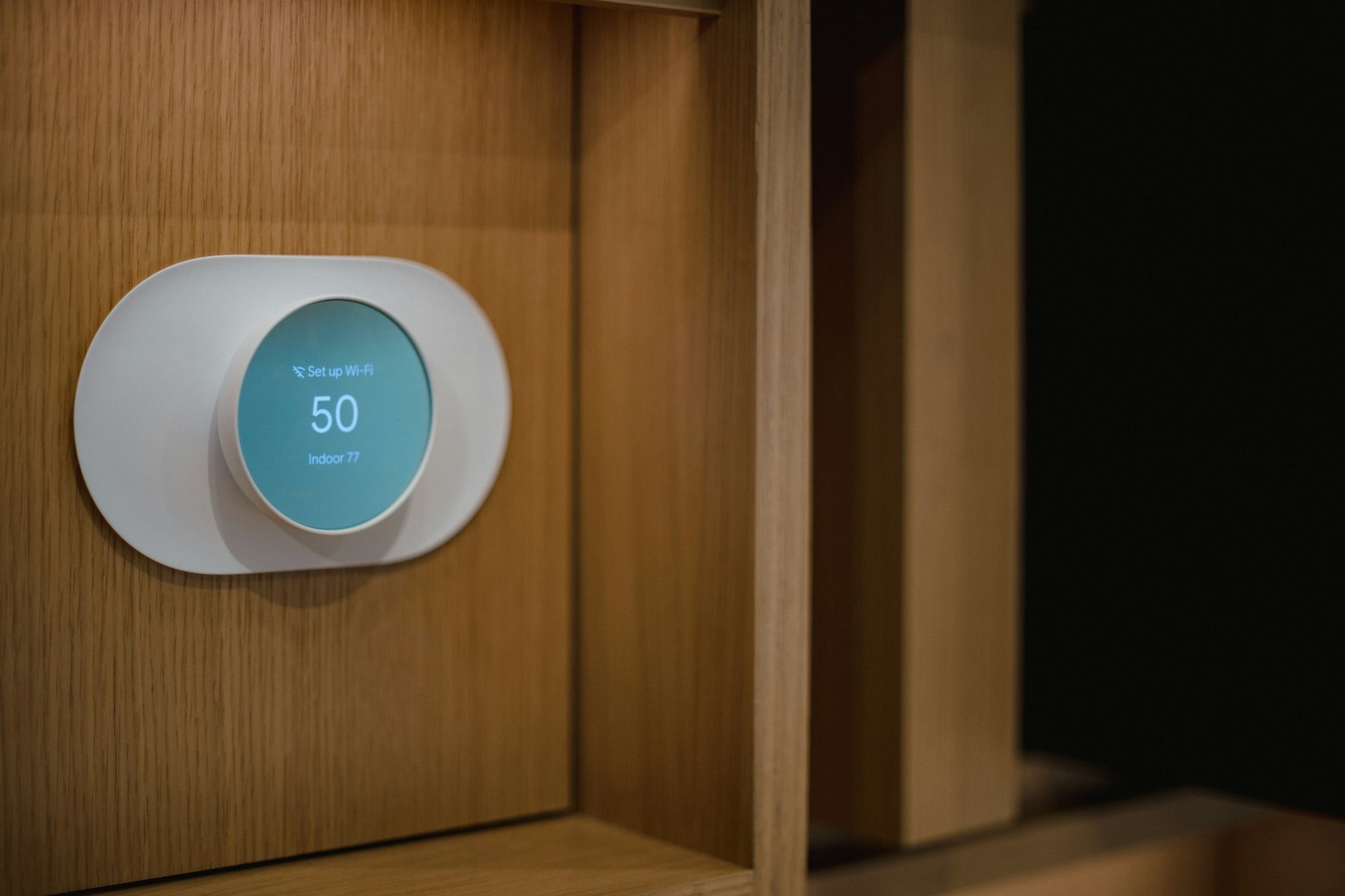
- Test the thermostat and safety controls.
- Look over visible ductwork and the insulation on the refrigerant lines for damage or disconnections, especially in an attic that can hit 130°F by August.
What’s on a fall heating tune-up checklist?
A fall visit makes sure the heat comes on when the first real cold front blows through, not three days after. What gets checked depends on your system:
- Heat pumps: test heating mode, the reversing valve and defrost controls, and check the backup heat strips and their safety limits.
- Electric furnaces and air handlers with heat strips: test the heating elements, sequencers and limit switches.
- Gas furnaces: inspect the burners and ignition, check gas connections and pressure, inspect the heat exchanger and flue, and test the safety controls. ENERGY STAR lists gas connections, burner combustion and the heat exchanger among the heating items a contractor should check.
- All systems: check or replace the filter, test the thermostat, check the blower, tighten electrical connections and look for airflow problems.
If you have gas appliances, fall is also a good time to test your carbon monoxide alarms. It takes a minute.
How often should you get an HVAC tune-up in Central Texas?
- Air conditioner with a gas or electric furnace: once a year before cooling season at minimum, plus a fall heating check if you have a gas furnace.
- Heat pump: twice a year, spring and fall. The same equipment handles heating and cooling, so it barely gets a day off.
- Older systems, or homes with pets, heavy dust or allergy concerns: twice a year is often worth it, since filters and coils load up faster.
For most Austin-area homes, spring is the visit that matters most, because the cooling season is so long. It’s also far easier to get on the schedule in March than in the middle of the first 100-degree week, when every HVAC company in town is booked solid.
What can homeowners do between tune-ups?
- Check the filter monthly, as ENERGY STAR recommends, and replace it when it looks dirty. In peak summer or with pets, that can mean every month.
- Keep the outdoor unit clear. Trim back shrubs, pull out leaves and grass clippings, and give it room to breathe. It isn’t a planter.
- Keep vents and returns open, not hidden behind the couch or under a rug.
- Watch the condensate drain. If you can see where your drain line exits, make sure it drips during cooling season. Water in a secondary pan, or a system that shuts itself off, means it’s time to call for service.
- Notice changes. New noises, ice on the refrigerant lines, water near the indoor unit, weak airflow or a climbing Austin Energy bill are all worth a call.
- Replace thermostat batteries if your thermostat uses them.
Is an HVAC tune-up worth it?
Usually, yes. Maintenance won’t make breakdowns impossible, but it stacks the odds in your favor. Clean coils and good airflow help the system run efficiently, and catching a tired capacitor or a slow drain early can head off a no-cooling call on a 100-degree day or a water stain spreading across the ceiling. Many manufacturers also expect regular professional maintenance, so check your equipment’s warranty terms.
Some homeowners like a maintenance plan so the visits get scheduled without anyone having to remember. If you’re considering one, ask exactly what each visit covers and how scheduling works.
The bottom line
A good tune-up checks the parts that fail most often in Central Texas: capacitors, drains, coils, refrigerant charge and airflow. Book a spring AC tune-up every year, add a fall heating check (especially for heat pumps and gas furnaces), and handle the easy stuff in between, starting with the filter.
Frequently asked questions
How long does an HVAC tune-up take?
Often about an hour or two per system, depending on the equipment, its condition and how much cleaning it needs.
Does a tune-up include adding refrigerant?
Not normally. The technician checks the charge. If it’s low, there’s a leak, and finding and fixing it is a separate repair. Refrigerant doesn’t get “used up” like gas in a car.
Do new systems need tune-ups?
Yes. A brand-new system still collects dust, and its drain can still clog. Regular maintenance also helps you meet many manufacturers’ warranty expectations.
When is the best time to schedule an AC tune-up in Austin?
Early spring, before the heat shows up. Fall is best for heating checks, before the first cold front.
For the fall heating check on your furnace or heat pump, see our heating tune-up and repair services.
Related guides: Why Regular HVAC Maintenance Matters, 10 Signs Your HVAC System Needs Maintenance and Why Is My AC Freezing Up or Leaking Water?.
About Gold Eagle Services: This guide comes from the team at Gold Eagle Services, a family-run Austin HVAC, indoor air quality and mold remediation company founded in 2017. We’re licensed (TACLA119235 and RCO1783), insured and bonded, and we serve homes across the greater Austin area.
Need help with this in your home? Learn about our home maintenance plans, or call 512-489-4653 to schedule a visit.