
Quick answer: Regular HVAC maintenance keeps your system running efficiently, catches small problems before they turn into breakdowns and can help your equipment last longer. Most Central Texas homes do best with two professional visits a year, one in spring for cooling and one in fall for heating, plus regular filter changes by the homeowner.
It’s easy to forget about your heating and cooling system until it quits, and it has a talent for quitting on the hottest afternoon of the year. Like a car, it needs regular care to perform the way it was designed. In Central Texas, where the AC can run hard from April through October, routine maintenance is one of the simplest ways to protect your comfort, your energy bills and a very expensive piece of equipment.
What does your HVAC system actually do all day?
A lot more than change the temperature. It runs in the background for thousands of hours a year, and along the way it: – Filters and circulates the air in your home. – Pulls moisture out of the air while it cools, which keeps humidity in a comfortable range. – Helps keep dust and other particles down, as long as the filter and components stay clean. – Drives a big share of your utility bill through the energy it uses.
Does HVAC maintenance lower energy bills?
Generally, yes. A well-maintained system costs less to run. Dust, dirt and clogged filters make equipment work harder, and harder work means more electricity or gas. A few examples: – The U.S. Department of Energy notes that replacing a dirty, clogged filter with a clean one can lower an air conditioner’s energy use by 5% to 15%. – Dirty coils can’t absorb and release heat as well, so the system runs longer to do the same job. – Worn or poorly lubricated moving parts create friction, which wastes energy and speeds up wear.
A tune-up lets a technician clean, adjust and test these parts so the system runs closer to its rated efficiency. Over time, that can mean lower energy use and a system that lasts longer.
Can maintenance prevent breakdowns?
It can prevent a lot of them. Nobody wants an AC breakdown in a Texas summer or a heating failure during a winter cold snap, and many big problems start small: a weak capacitor, a partly clogged drain line, a loose electrical connection or a slow refrigerant leak. Left alone, those turn into bigger, more expensive repairs.
Maintenance visits often catch them early. A technician can replace worn parts, tighten loose connections and clear drain lines before they cause real damage. Capacitors in particular hate heat, and a tired one would much rather fail in July than in March. If refrigerant is low, there’s a leak somewhere, because a sealed system shouldn’t lose refrigerant. The right fix is to find and repair the leak, not just top it off, which only postpones the problem. Catching issues like these early is usually far cheaper than an emergency repair or an early replacement.
Does maintenance make an HVAC system last longer?
It helps. Many HVAC systems last 10 to 15 years or more, but getting there depends a lot on how the equipment is cared for. Neglected systems tend to wear out faster, and our long cooling season piles extra hours onto Central Texas equipment.
Clean coils, fresh filters and regular inspections keep the system from working harder than it needs to. The less stress on motors, compressors and fans, the longer they’re likely to last. Maintenance is how you protect what you paid for.
How does maintenance affect indoor air quality?
It affects what’s circulating through your house. Dust, debris and moisture can collect inside the system and the ductwork. – Filter changes are the first line of defense, but a filter can’t do it alone if the coil, ducts and blower are dirty. – Blowers and ducts can collect buildup that cuts airflow and recirculates dust. – Humidity control works best when the system is clean and running efficiently, which helps limit the damp conditions mold and dust mites like.
We’re not medical providers, so bring health questions to your doctor. What we can do is keep the system clean, the filtration right for your equipment and the humidity under control.
Do two-stage and variable-speed systems need more maintenance?
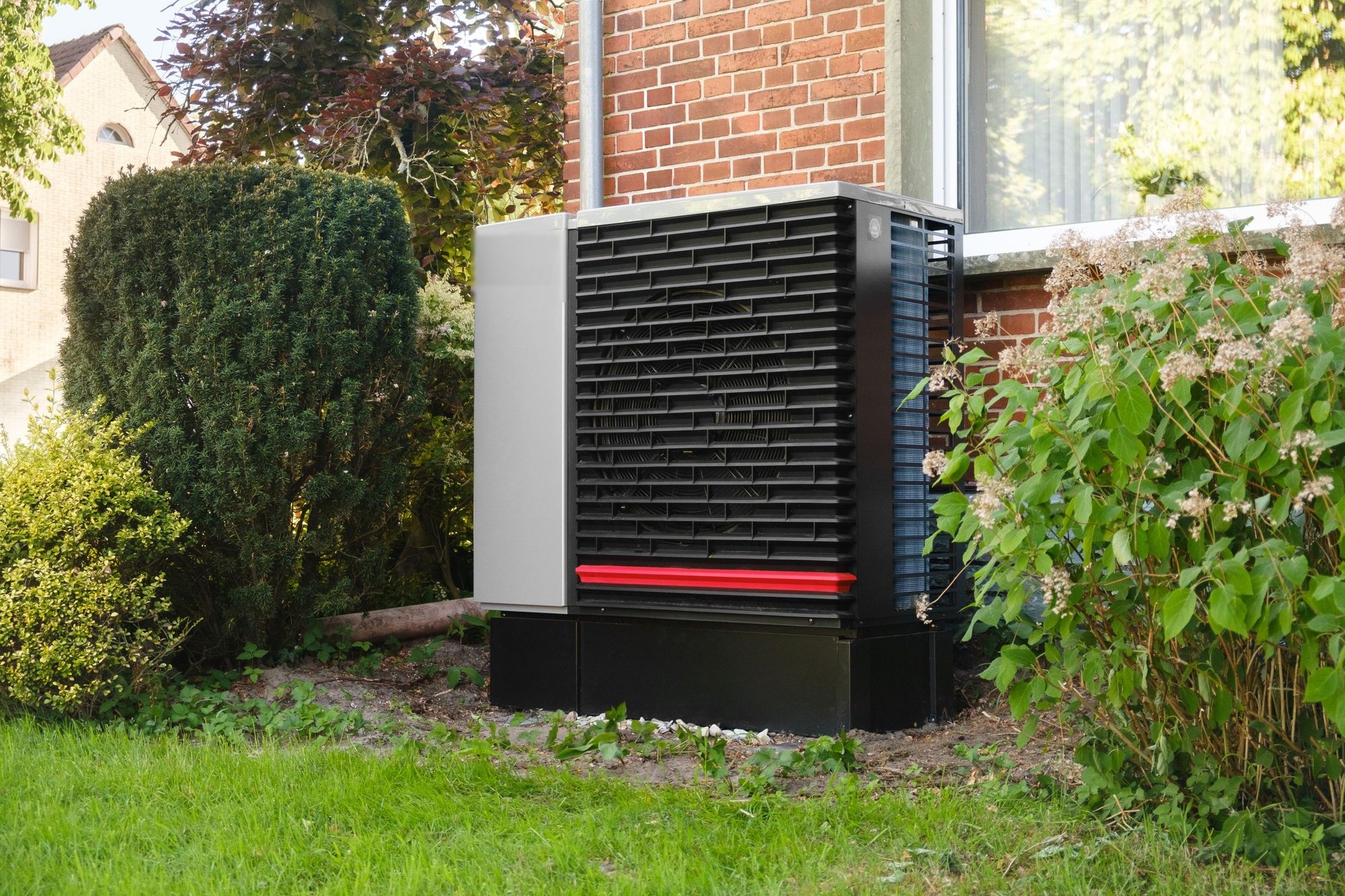
They depend on it more. Many newer systems are two-stage or variable-speed, which means they adjust output more precisely to hold comfort and save energy, and they typically carry higher SEER2 ratings. – Single-stage systems are either fully on or off. All those starts and stops wear on components, so routine upkeep matters. – Two-stage systems run on low most of the time and switch to high when needed. They’re more efficient, but they rely on correct setup and airflow to perform as designed. – Variable-speed systems constantly adjust output and airflow. Because they run long stretches at lower speeds, they need clean filters and coils, the correct refrigerant charge, and sensors and controls that work properly.
The fancier the system, the more maintenance matters for keeping the efficiency and comfort you paid for.
What’s on a seasonal HVAC maintenance checklist?
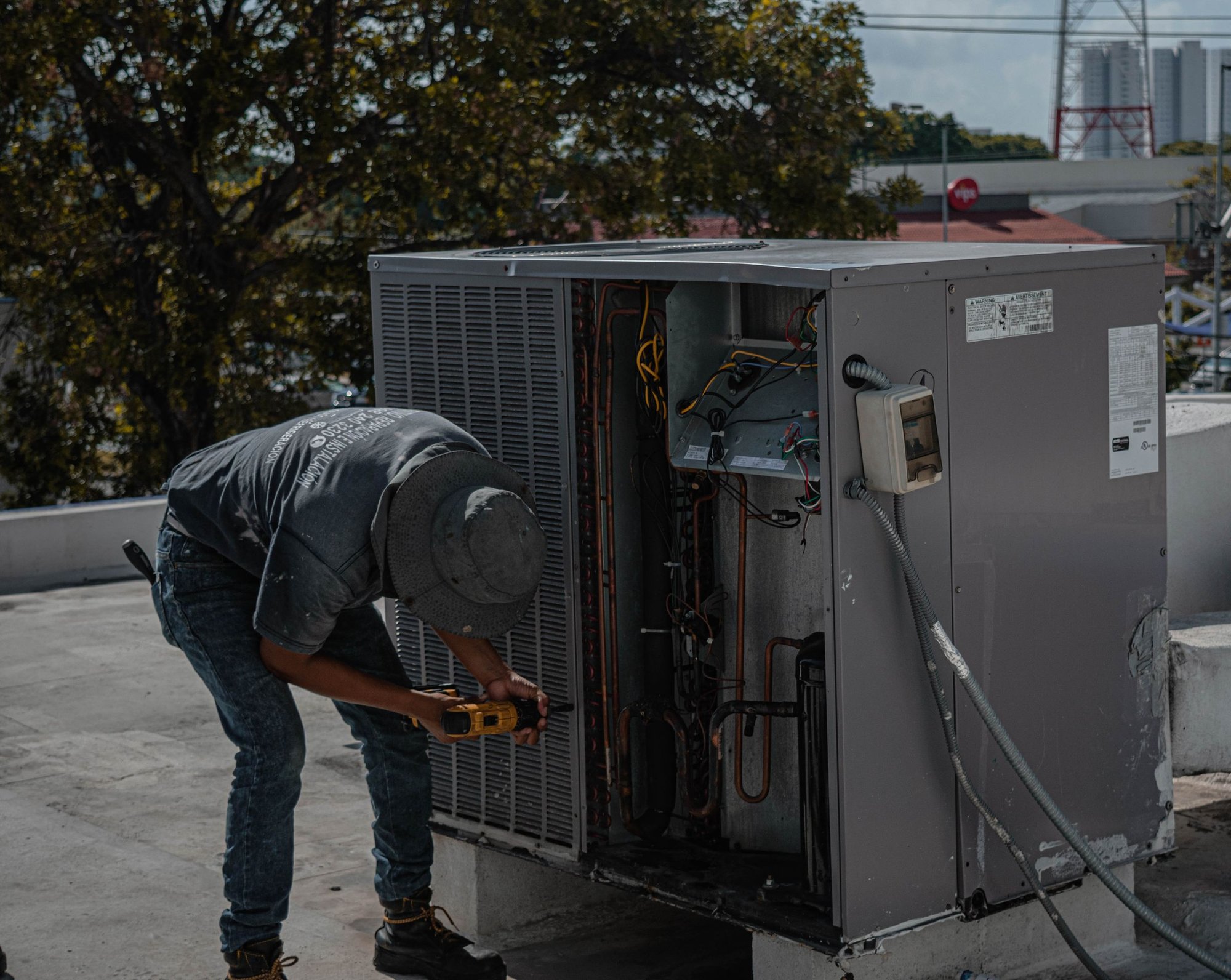
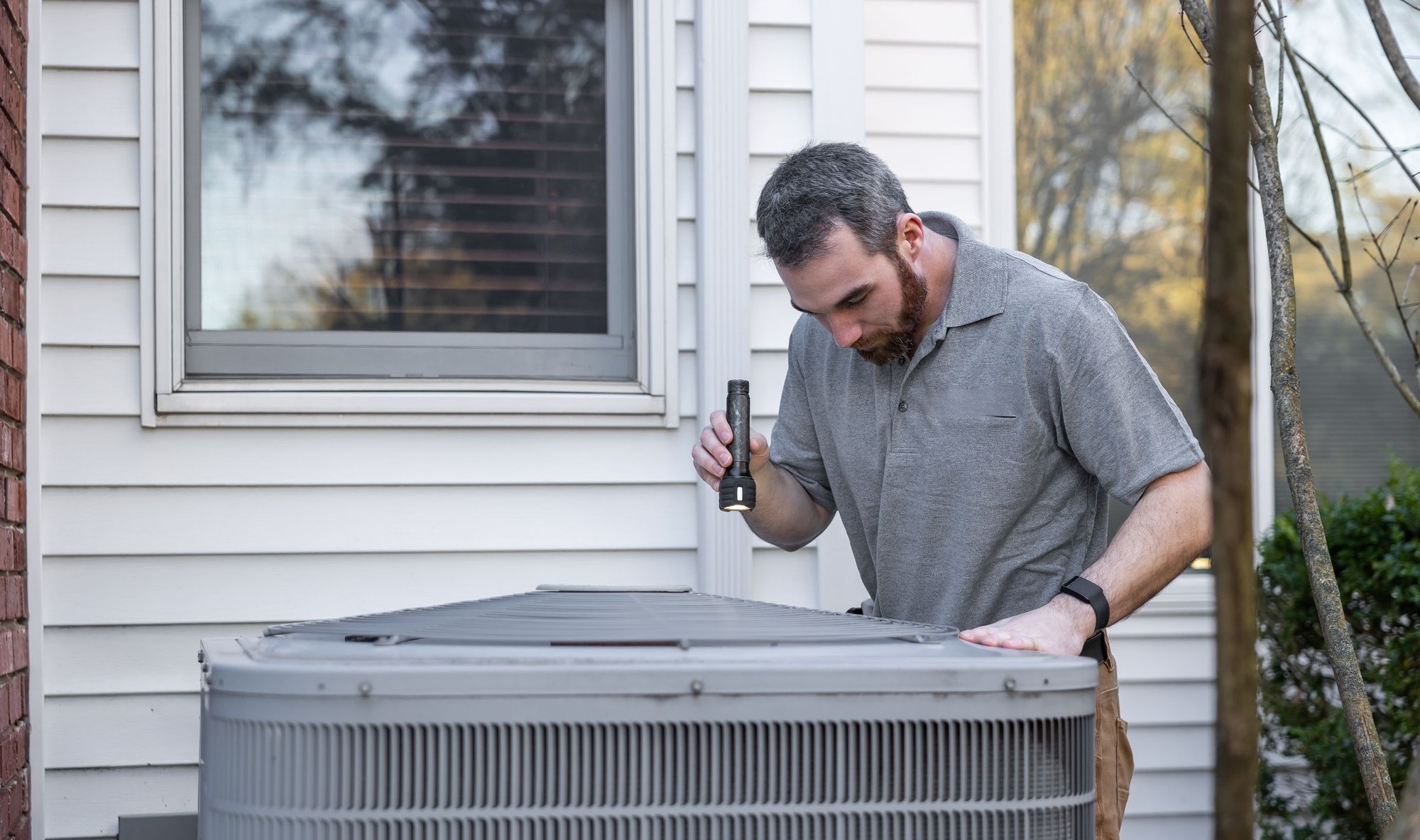
Most HVAC professionals recommend two visits a year: spring for cooling and fall for heating. A typical tune-up may include: – Inspecting and replacing air filters. – Cleaning coils and checking the blower. – Flushing and clearing the condensate drain line. – Checking refrigerant pressures and looking for signs of leaks. – Testing capacitors, contactors and electrical connections. – Inspecting accessible ductwork for leaks or damage. – Testing the thermostat and system controls. – For gas furnaces, checking burners, venting and safety controls.
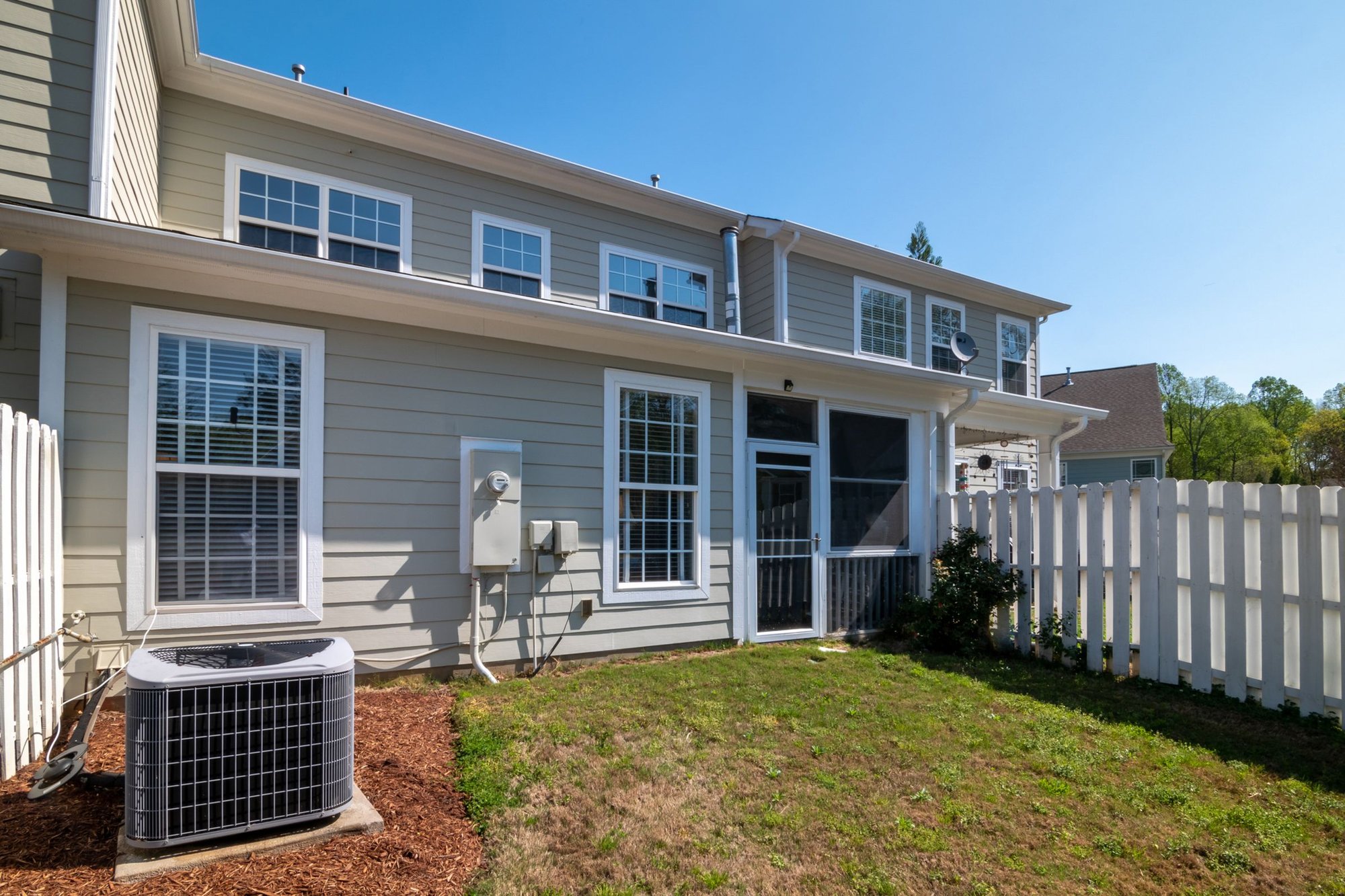
You can help between visits: check filters monthly and change them every one to three months (more often with pets or heavy use), keep grass clippings and debris away from the outdoor unit, and pay attention to new noises, smells or changes in how the system performs.
The bottom line
Your HVAC system is one of the most important and expensive systems in your home. Regular maintenance helps it run efficiently, keeps energy costs in check, lowers the odds of a surprise breakdown and supports better indoor air. Single-stage, two-stage or variable-speed, consistent care helps it last.
Treat maintenance as part of owning the system, not an optional extra. A maintenance plan is an easy way to make sure the spring and fall visits actually happen, instead of getting remembered the day the first cold front blows through.
For the fall visit on your furnace or heat pump, see our heating maintenance and repair services.
Related guides: What’s Included in an HVAC Tune-Up?, 10 Signs Your HVAC System Needs Maintenance and The True Cost of Neglecting HVAC Maintenance.
About Gold Eagle Services: This guide comes from the team at Gold Eagle Services, a family-run Austin HVAC, indoor air quality and mold remediation company founded in 2017. We’re licensed (TACLA119235 and RCO1783), insured and bonded, and we serve homes across the greater Austin area.
Need help with this in your home? Learn about our home maintenance plans, or call 512-489-4653 to schedule a visit.