
Quick answer: Yes, with the right setup. A properly sized heat pump handles a typical Central Texas winter on its own, and in a hard freeze it leans on built-in electric heat strips to keep the house warm. No electric heating system works without power, though, and that, not the heat pump, was the main problem for many homes in the February 2021 winter storm.
How does a heat pump make heat when it’s cold outside?
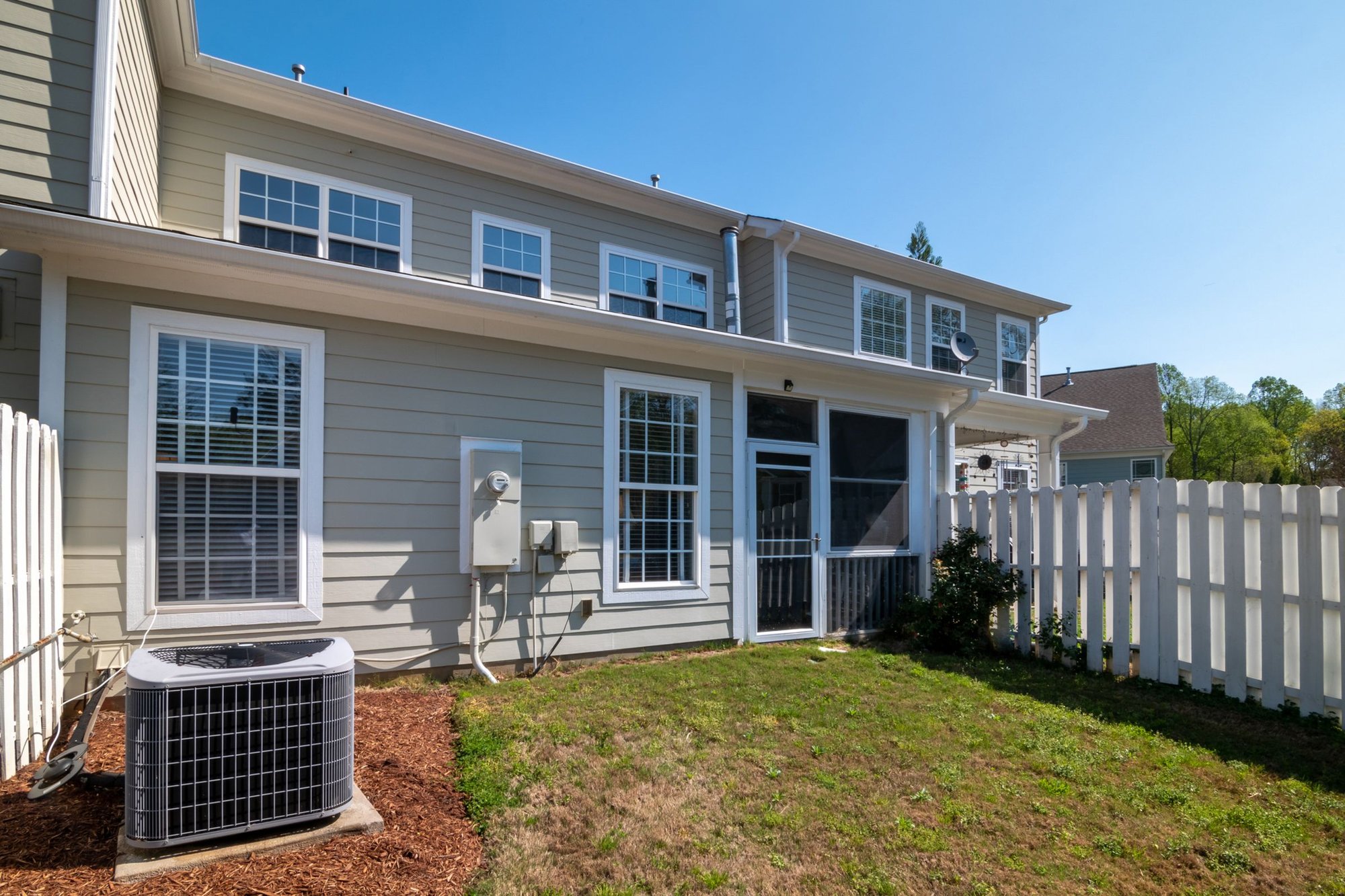
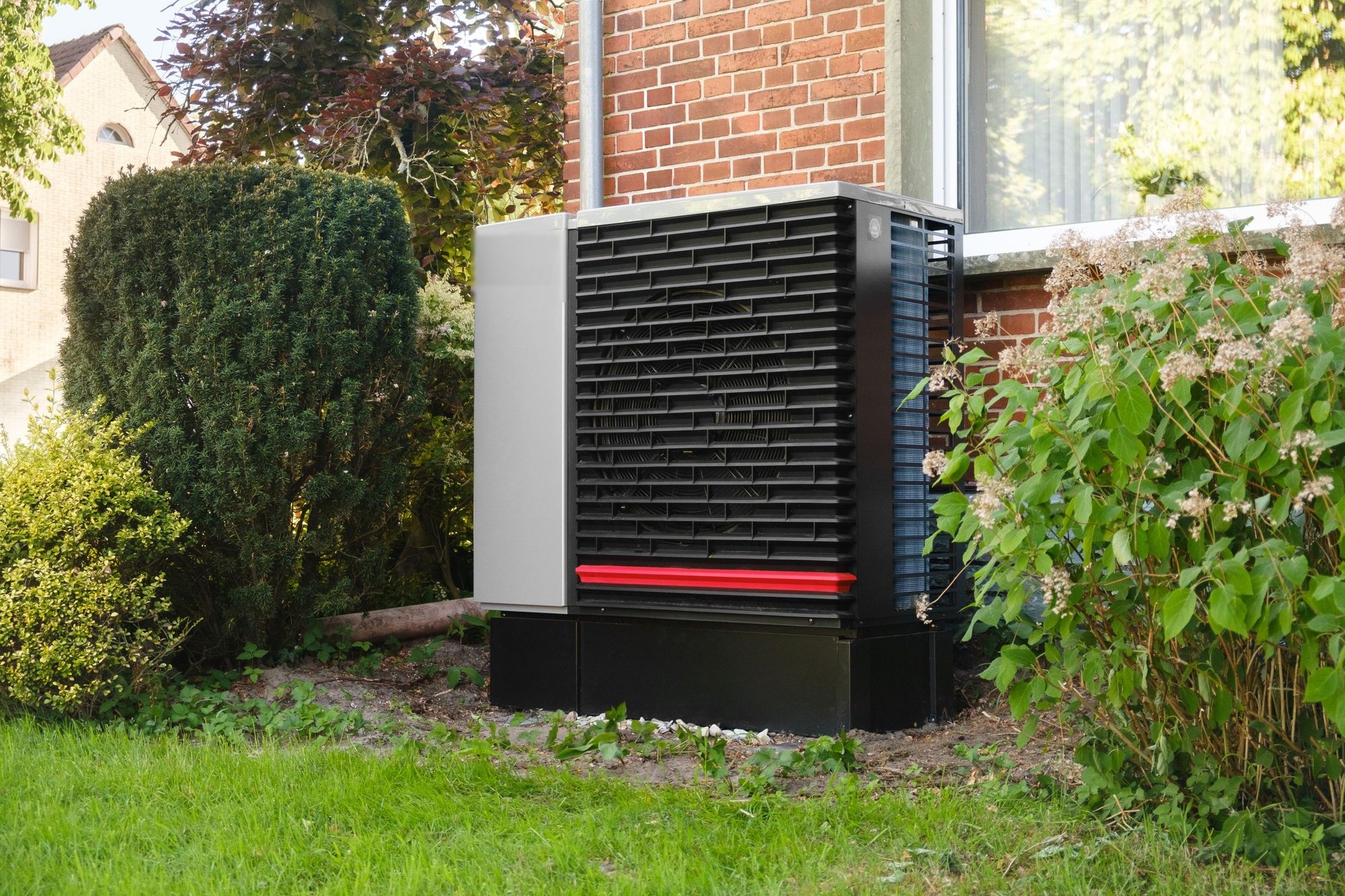
A heat pump doesn’t make heat by burning anything. It moves heat. In winter, refrigerant in the outdoor coil soaks up heat from the outside air, even air that feels cold to you, and the compressor concentrates that heat and sends it indoors. Because it’s moving heat rather than generating it, a heat pump can deliver more heat energy than the electricity it uses in mild and moderately cold weather. That’s the whole trick, and on a 45-degree January morning in Austin it works beautifully.
As the temperature drops, there’s less heat outside to capture and the house loses heat faster. A standard heat pump’s output and efficiency both fall off in colder weather. At some point, often somewhere around freezing or below depending on the model and the home, the heat pump alone may not keep up. That’s where backup heat comes in.
What are backup heat strips and when do they turn on?
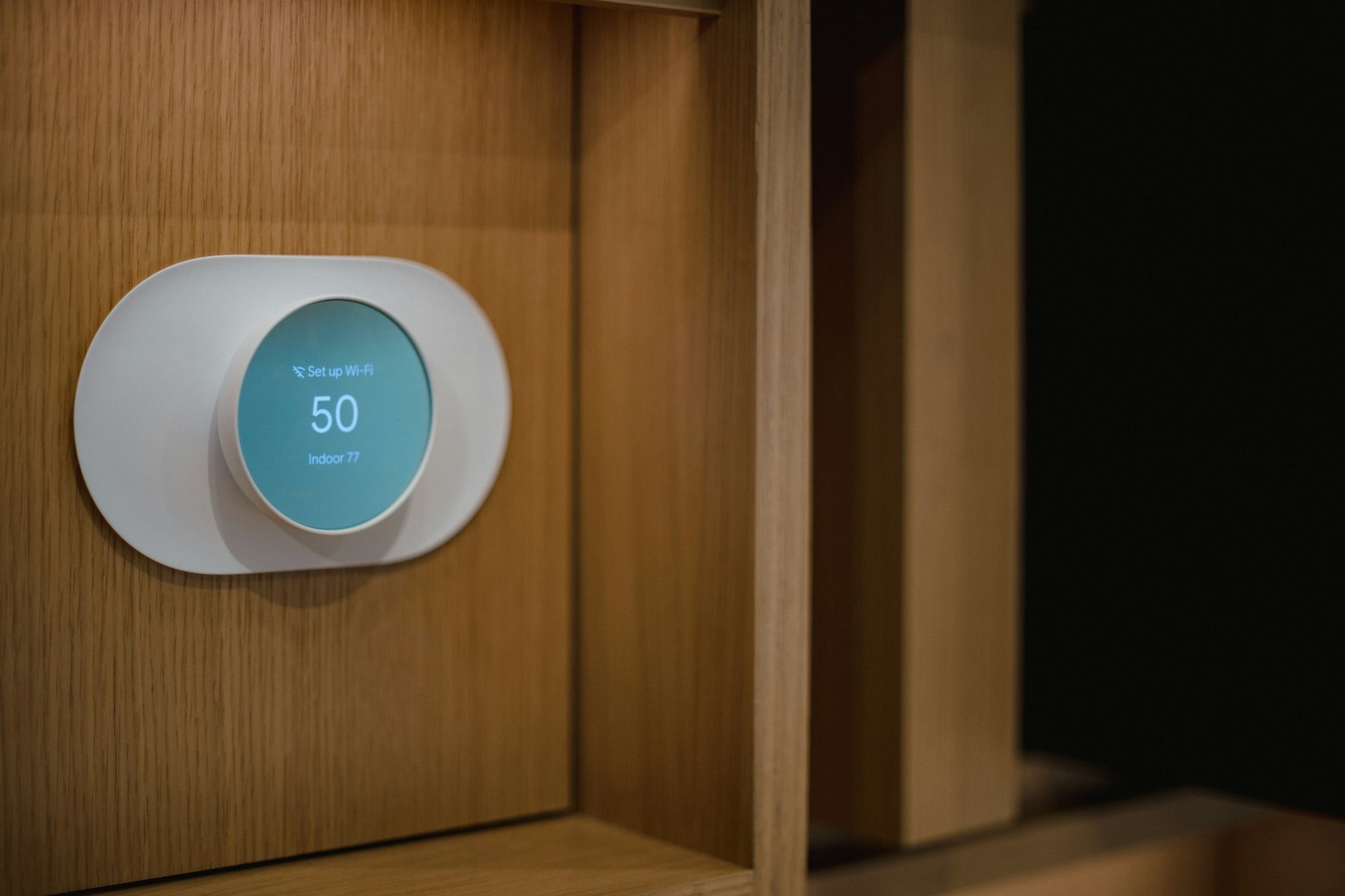
Heat strips are electric heating elements inside the indoor air handler that kick in when the heat pump needs help. Most heat pump systems in Central Texas have them, and they work a lot like the glowing coils in a toaster or space heater. The thermostat brings them on as “auxiliary” heat during a cold snap, or when you bump the temperature up several degrees at once.
- Auxiliary heat runs automatically alongside the heat pump when extra heat is needed. Seeing “aux” on the thermostat in cold weather is normal.
- Emergency heat is a thermostat setting that shuts off the heat pump and runs only the heat strips. It’s meant for when the heat pump itself isn’t working, and it uses much more electricity, so don’t leave it on as a habit.
- Setbacks can trigger strips. Turning the thermostat way down and then cranking it back up can bring the heat strips on when they didn’t need to be. In very cold weather, it’s usually better to hold a steady temperature.
Heat strips keep the house warm, but they cost more to run than the heat pump itself. For a closer comparison, see our guide on heat pumps vs. electric resistance heat.
Why does my heat pump blow steam or stop heating for a few minutes?
It’s almost always a defrost cycle, and it’s normal. In cold, damp weather, frost builds up on the outdoor coil. To clear it, the heat pump briefly switches into cooling mode to warm the outdoor coil, then switches back. During defrost you may notice:
- Steam or vapor rising from the outdoor unit. It looks dramatic, but it’s just melting frost.
- A whooshing sound when the system switches over.
- The outdoor fan stopping for a few minutes.
- Slightly cooler air from the vents, which the heat strips often cover.
A defrost cycle usually lasts only a few minutes. What isn’t normal is an outdoor unit that stays wrapped in heavy ice for hours, or ice that keeps building. That can point to a defrost control problem, a low refrigerant charge (which means a leak) or a fan problem, and it needs service.
What are cold-climate heat pumps?
Cold-climate heat pumps are models built to keep producing useful heat at much lower temperatures than standard units, usually with advanced, often variable-speed compressors and refrigerant designs. ENERGY STAR notes that its certification tests these systems down to 5°F, and says a cold-climate heat pump will keep working below that, though pairing it with a backup heat source is most efficient when temperatures fall even lower. See the ENERGY STAR air-source heat pump page for details.
Central Texas rarely gets that cold, so a standard, properly sized heat pump with heat strips is enough for most homes. A cold-climate or variable-speed model can make sense if you’d like to rely less on heat strips during freezes, or if you’re replacing your system anyway and cold-snap comfort is high on your list. Ductless mini-splits, including many Mitsubishi Electric models, are another option for rooms that are hard to heat.
What happened with heat pumps during the 2021 Texas winter storm?
For most homes, the heat pump wasn’t the problem; the power was. In February 2021, Winter Storm Uri brought days of below-freezing temperatures to Central Texas, and millions of Texans lost power, some for several days. Without electricity, heat pumps, heat strips, and even the blowers and controls on gas furnaces can’t run.
Where the power stayed on, heat pumps generally leaned hard on their heat strips to keep up with the extreme cold, which drove electricity use way up. Some outdoor units also iced over from freezing rain and sleet. None of this is a reason to dread the next freeze with a heat pump, but it’s worth knowing what to expect and planning for outages separately.
How do you prepare a heat pump for a Texas freeze?
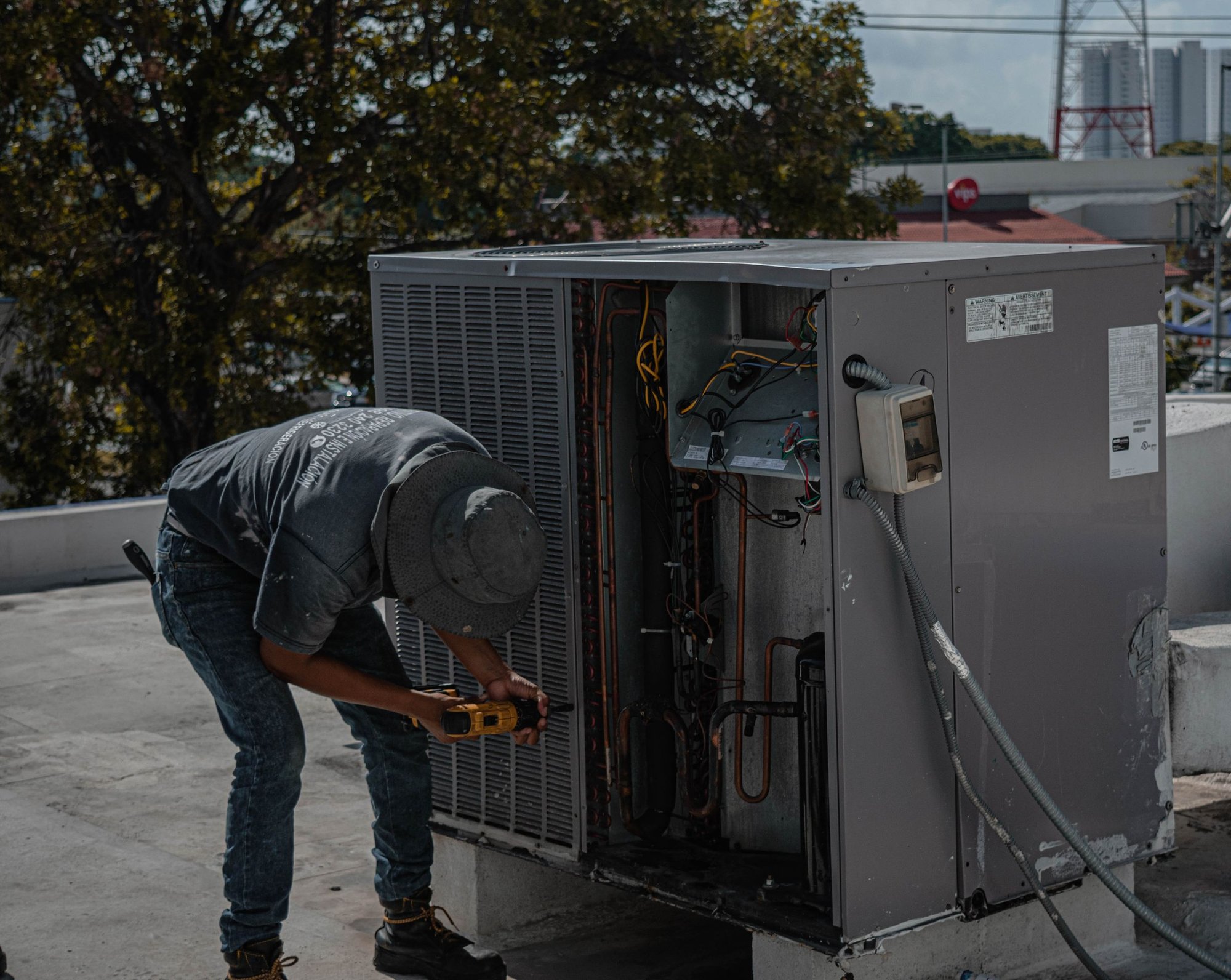
- Have the system checked in the fall, including the heat strips, defrost controls and refrigerant charge.
- Put in a fresh air filter so the system has good airflow when it needs it most.
- Keep the outdoor unit clear of leaves, plants and debris, and make sure water from the roof doesn’t drip straight onto it.
- Hold a steady thermostat setting during a freeze instead of big setbacks.
- Use emergency heat only if the heat pump itself has failed, and call for service.
- Don’t chip ice off the coil or pour hot water on it. That can damage the fins and the coil.
- Plan for power outages: never use grills, gas ovens or outdoor generators indoors, keep generators well away from doors and windows, and make sure you have working carbon monoxide alarms if you have any gas appliances or use a generator.
The bottom line
A properly sized, well-maintained heat pump can keep a Central Texas home warm through a typical freeze, with the heat strips carrying part of the load on the coldest nights. Defrost cycles and some heat strip use are normal. Cold-climate models cut down on strip use if extreme cold worries you. No electric system can heat a home without power, so plan for outages as their own problem.
Frequently asked questions
At what temperature does a heat pump stop working?
A standard heat pump doesn’t shut off at one magic number. Its output drops as it gets colder, and the backup heat strips make up the difference. Cold-climate models are tested down to 5°F and keep running below that.
Is it normal for my heat pump to run constantly when it’s freezing?
Yes, long run times are normal in very cold weather. If the house can’t hold temperature even with auxiliary heat running, or the outdoor unit stays covered in ice, call for service.
Should I switch to emergency heat during a freeze?
Usually not. Leave the thermostat in normal heat mode and let it bring on auxiliary heat when it’s needed. Emergency heat is for when the heat pump itself isn’t working.
Would a gas furnace have been better during the 2021 storm?
Not necessarily. Most gas furnaces also need electricity to run their blowers and controls, so they don’t work during a power outage either. A dual-fuel system (a heat pump plus a gas furnace) is one option some homeowners consider, and we can talk through the trade-offs for your home.
If your heat pump is getting up there in years and you’d rather replace it before the next hard freeze, you can build your system online to compare heat pump and dual fuel options and see an estimate, and our local team reviews every build.
Related guides: Heat Pumps vs. Electric Resistance Heat for Central Texas Homes, Austin Energy Rebates and Tax Credits for HVAC Upgrades (2026 Guide) and What’s Included in an HVAC Tune-Up?.
About Gold Eagle Services: This guide comes from the team at Gold Eagle Services, a family-run Austin HVAC, indoor air quality and mold remediation company founded in 2017. We’re licensed (TACLA119235 and RCO1783), insured and bonded, and we serve homes across the greater Austin area.
Need help with this in your home? Learn about our Austin heating services, or call 512-489-4653 to schedule a visit.