
Quick answer: Most central air conditioners and heat pumps in Central Texas last about 10 to 15 years, and well-installed, well-maintained systems sometimes go longer. Long cooling seasons, hot attics and heavy runtime tend to push Austin-area systems toward the shorter end. Age alone doesn’t mean replacement, but past about 10 years it’s smart to start planning.
How long does an AC last in Central Texas?
Roughly 10 to 15 years for most central air conditioners and heat pumps around Austin. There’s no single number, because lifespan depends on how the system was sized and installed, how hard it works and how well it’s been looked after. Some quit early, usually from installation problems, skipped maintenance or a major part failing. Others keep humming along past 15 years, though the repair bills and electric bills tend to creep up as they go.
ENERGY STAR suggests considering replacement once a heat pump or air conditioner is more than 10 years old, especially if it needs frequent repairs or your energy bills are climbing. Think of that as a heads-up, not a deadline. It’s a good point to watch the system more closely and start budgeting, so you get to pick the timing instead of having it picked for you on a Tuesday in August.
Why do air conditioners wear out faster in Texas?
Because they simply work more hours. Our cooling season often runs from spring deep into fall, and on the worst afternoons the system may barely shut off. A few local conditions pile on:
- Long, hot cooling seasons. Every extra hour of runtime is more wear on the compressor, fan motors, capacitors and contactors.
- Air handlers and ductwork in the attic. In a lot of Austin homes the indoor unit and ducts live in an attic that gets far hotter than the outdoors on a summer afternoon. That heat is hard on components, and it makes any duct leak more expensive.
- High humidity. Your AC pulls a lot of water out of the air. That steady stream of condensate can mean clogged drains, rusty drain pans and corrosion if nobody keeps the drainage clear.
- Dust, pollen and cottonwood or cedar debris. Dirty filters and coils choke airflow and heat transfer, so the system works harder to do the same job.
- Heat pumps doing double duty. A heat pump cools all summer and heats all winter, so it racks up more hours than an air conditioner paired with a furnace.
What shortens an AC system’s life?
Mostly things you can do something about:
- Wrong sizing. An oversized system cycles on and off constantly and often leaves the house clammy. An undersized one runs nearly nonstop. Proper sizing comes from a load calculation such as ACCA Manual J, not a square-footage rule of thumb.
- Poor airflow. Undersized or leaky ducts, closed vents and clogged filters make the blower and compressor strain, and can freeze the coil.
- Incorrect refrigerant charge. A system that’s low on refrigerant almost always has a leak. Running it that way strains the compressor, which is the most expensive part to replace.
- Skipped maintenance. Dirty coils, weak capacitors and loose connections are cheap, common fixes. Ignored, they can take bigger parts down with them.
- Electrical issues. Power surges and worn contactors can damage motors and compressors over time.
What are the signs your AC is near the end of its life?
One repair doesn’t mean a system is done. A pattern usually tells the story. Watch for:
- The system is 10 to 15 years old or older and needs repairs more often than it used to.
- Your Austin Energy bill keeps climbing even though your habits haven’t changed.
- Some rooms stay warm, or the house feels muggy because humidity isn’t being controlled.
- It runs longer and longer to reach the thermostat setting, or it can’t keep up on the hottest afternoons.
- It uses R-22 refrigerant. R-22 production ended in 2020, so only reclaimed or stockpiled supply is left, and a leak can make repairs expensive.
- A major component fails on an older system, such as the compressor or a leaking coil.
- New noises, rust on the cabinet or drain pan, or water leaks that keep coming back.
Should you repair or replace an aging AC?
It depends on the age of the system and the size of the repair. There’s no magic formula, but these rules of thumb help:
- Newer system, one-off problem: repair it. Capacitors, contactors, fan motors and drain issues are routine fixes.
- Older system, expensive repair: if the unit is past about 10 to 12 years and needs a compressor, a coil or a big refrigerant repair, get a replacement quote next to the repair quote before you decide.
- Repeated breakdowns: several service calls in one season is often a sign the money is better spent on a replacement.
- Comfort problems: if the house was never comfortable, new equipment alone may not fix it. Ductwork, sizing and insulation can matter as much as the unit.
- Efficiency: since January 1, 2023, new systems are rated in SEER2, a tougher test than the old SEER rating. A newer high-efficiency system can use noticeably less electricity than a 12- to 15-year-old unit, and with our long cooling season that adds up.
If you do replace, ask your contractor for a load calculation, a look at your ductwork and a plain explanation of the refrigerant the new system uses. R-410A is being phased down under the federal AIM Act, and many new systems use lower-GWP refrigerants such as R-454B or R-32. Also check for utility rebates; Austin Energy, for example, has offered rebates on qualifying replacements that require a participating contractor.
How can you make your AC last longer?
- Check the air filter monthly during heavy use and replace it when it looks dirty.
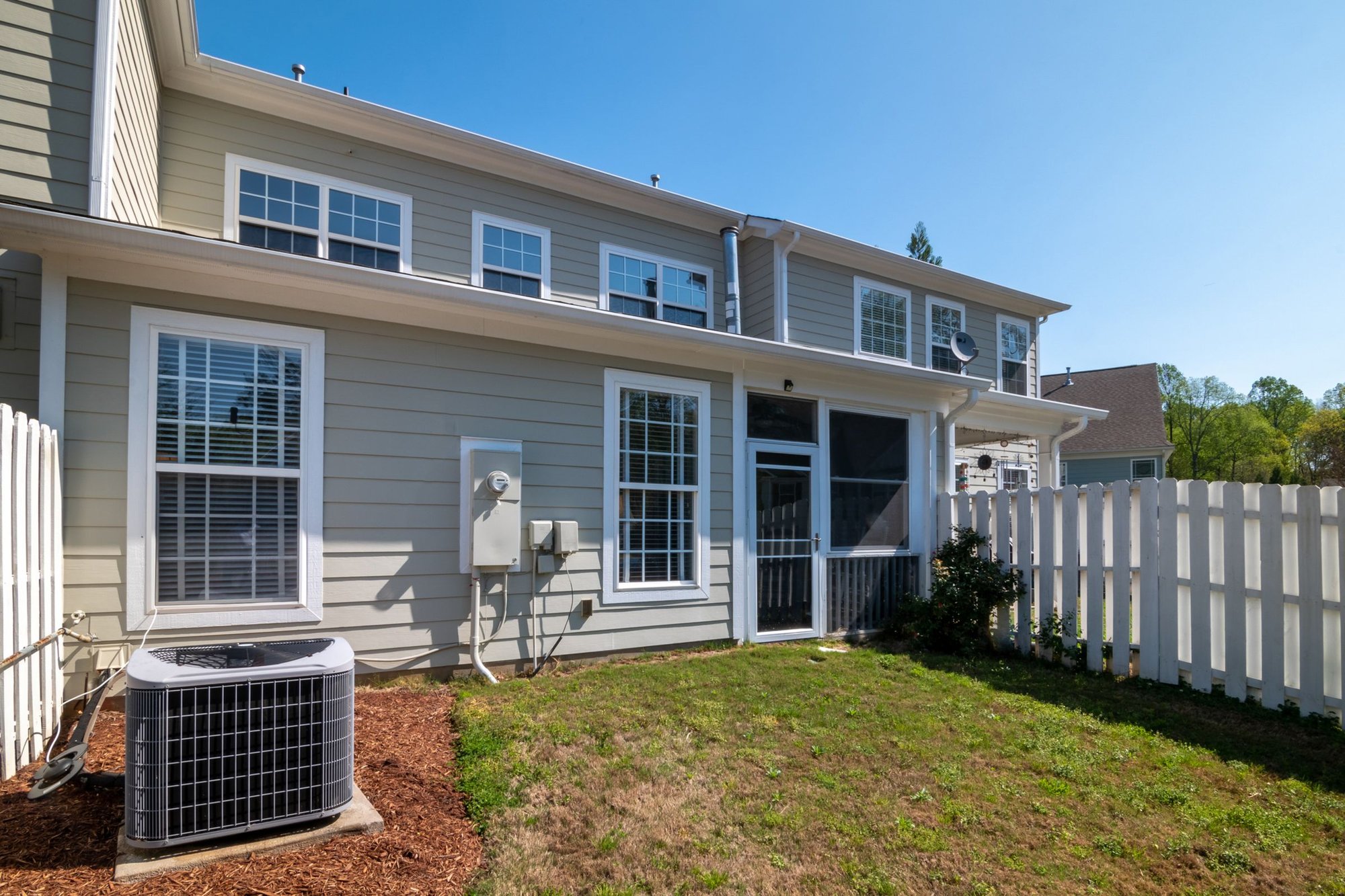
- Keep the outdoor unit clear of shrubs, fencing, leaves and yard debris. It needs room to breathe.
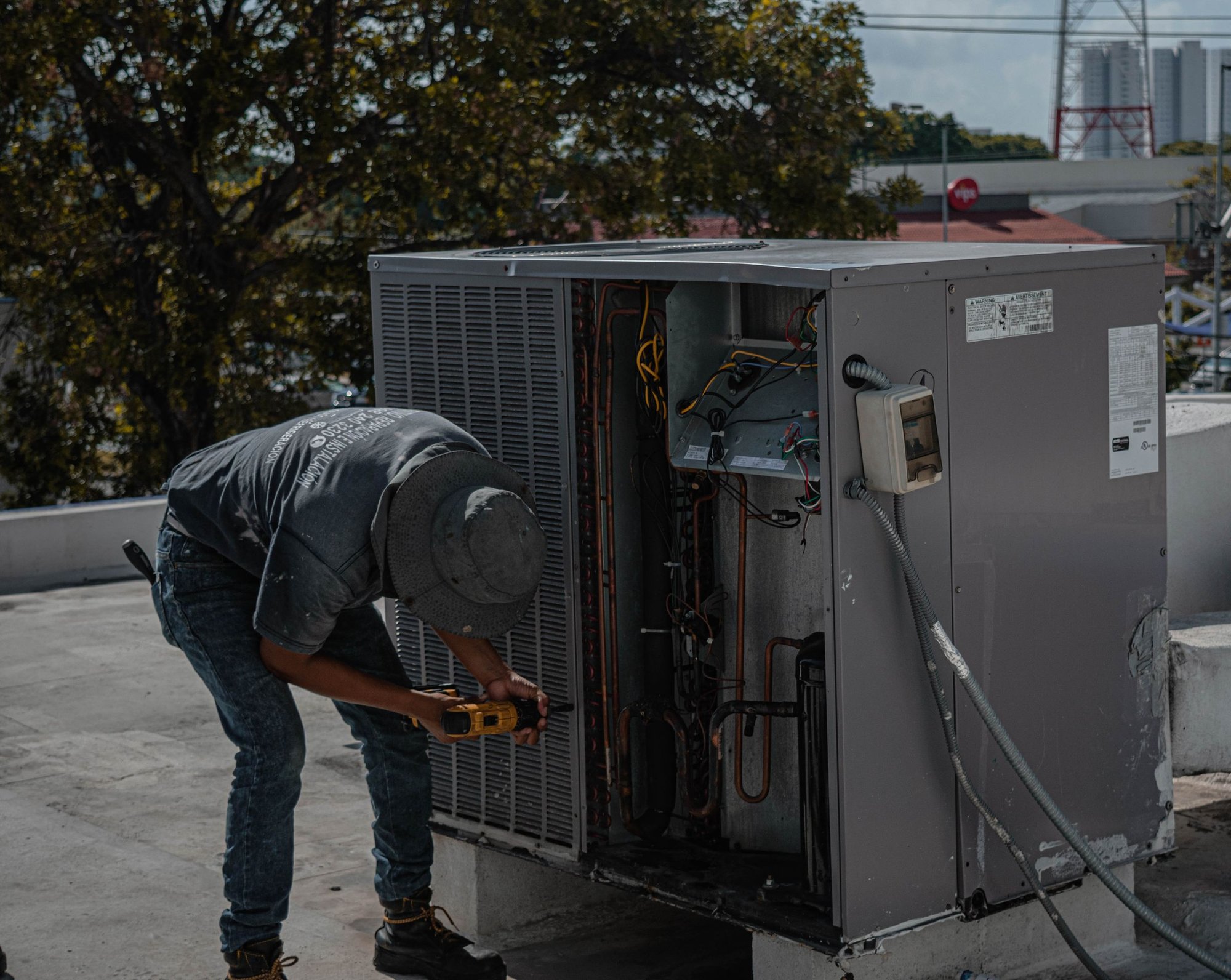
- Have the system professionally maintained, ideally before each cooling season.
- Keep supply and return vents open and unblocked.
- Ask your technician to check the condensate drain and drain pan, which get a real workout in our humidity.
- Get odd noises, ice on the lines or water leaks looked at early, while they’re still small problems.
The bottom line
Plan on roughly 10 to 15 years from a central AC or heat pump in Central Texas. Good installation and regular maintenance push that number up; neglect pulls it down. Once your system passes about 10, keep an eye on repair frequency, comfort and energy bills, and get a replacement estimate before it becomes an emergency. A planned replacement gives you time to compare options, check rebates and choose the right size, instead of taking whatever’s available during a heat wave.
Frequently asked questions
Is a 15-year-old AC too old in Texas?
Not necessarily. If it still cools well, handles humidity and rarely needs repairs, it can keep going. But 15 years is near or past the typical range for our climate, so budget for replacement and compare a replacement quote before putting a big repair into it.
Do heat pumps last as long as air conditioners?
Often a bit less. Heat pumps and air conditioners share most of the same parts, but a heat pump runs summer and winter. That extra runtime can mean a somewhat shorter life than an AC paired with a furnace, though good maintenance makes a big difference.
Does a bigger AC last longer?
No. An oversized system short-cycles, which adds wear and often leaves the house feeling humid. The right size, from a proper load calculation, is what helps equipment last.
Can I still repair an AC that uses R-22?
Often yes, but refrigerant repairs can be costly because R-22 is no longer produced. If an R-22 system has a significant leak, most homeowners are better off weighing the repair against a replacement.
If your system is a heat pump, it handles your heating too; see our heat pump repair services for winter problems. When replacement makes more sense, you can build your system online to compare AC, heat pump and dual fuel options and see an estimate.
Related guides: Why Is My AC Freezing Up or Leaking Water?, What’s Included in an HVAC Tune-Up? and Why Regular HVAC Maintenance Matters.
About Gold Eagle Services: This guide comes from the team at Gold Eagle Services, a family-run Austin HVAC, indoor air quality and mold remediation company founded in 2017. We’re licensed (TACLA119235 and RCO1783), insured and bonded, and we serve homes across the greater Austin area.
Need help with this in your home? Learn about our air conditioning repair and installation, or call 512-489-4653 to schedule a visit.